Bénin’s parliament convenes for crucial budget and governance reforms
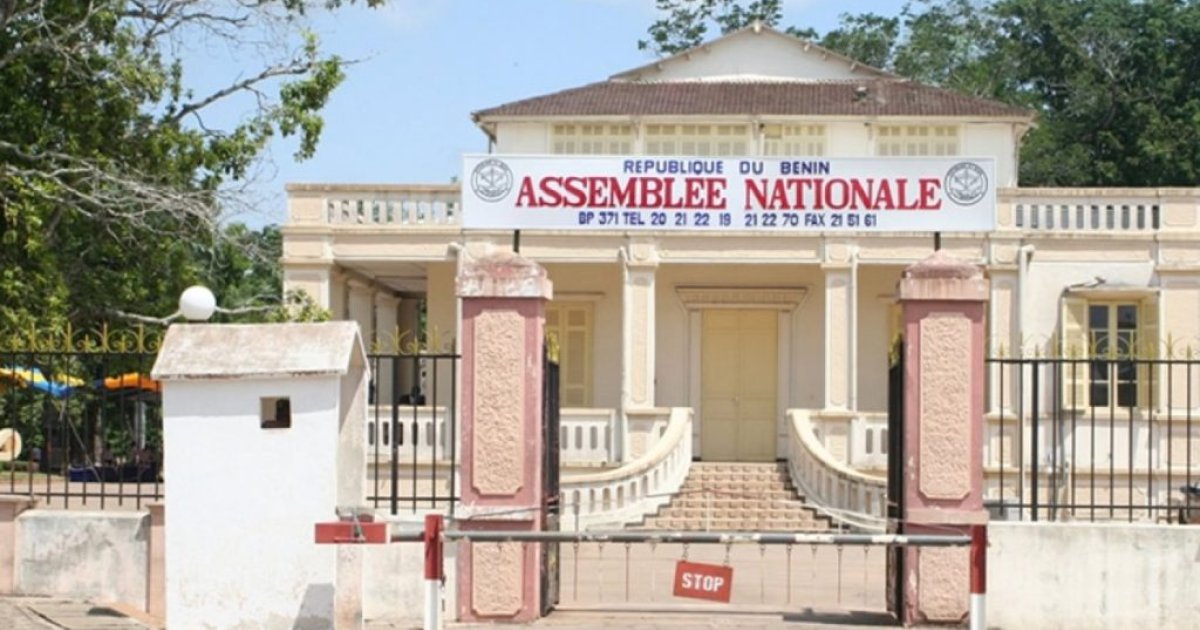
Members of Bénin’s 10th legislature are gathering this Friday at the historic Palais des Gouverneurs to address two pivotal legislative proposals. The urgent session, convened by National Assembly President Joseph Djogbénou, focuses on a rectifying budget bill for the year 2026 and amendments to the law governing the organization and operations of the Mediator of the Republic.
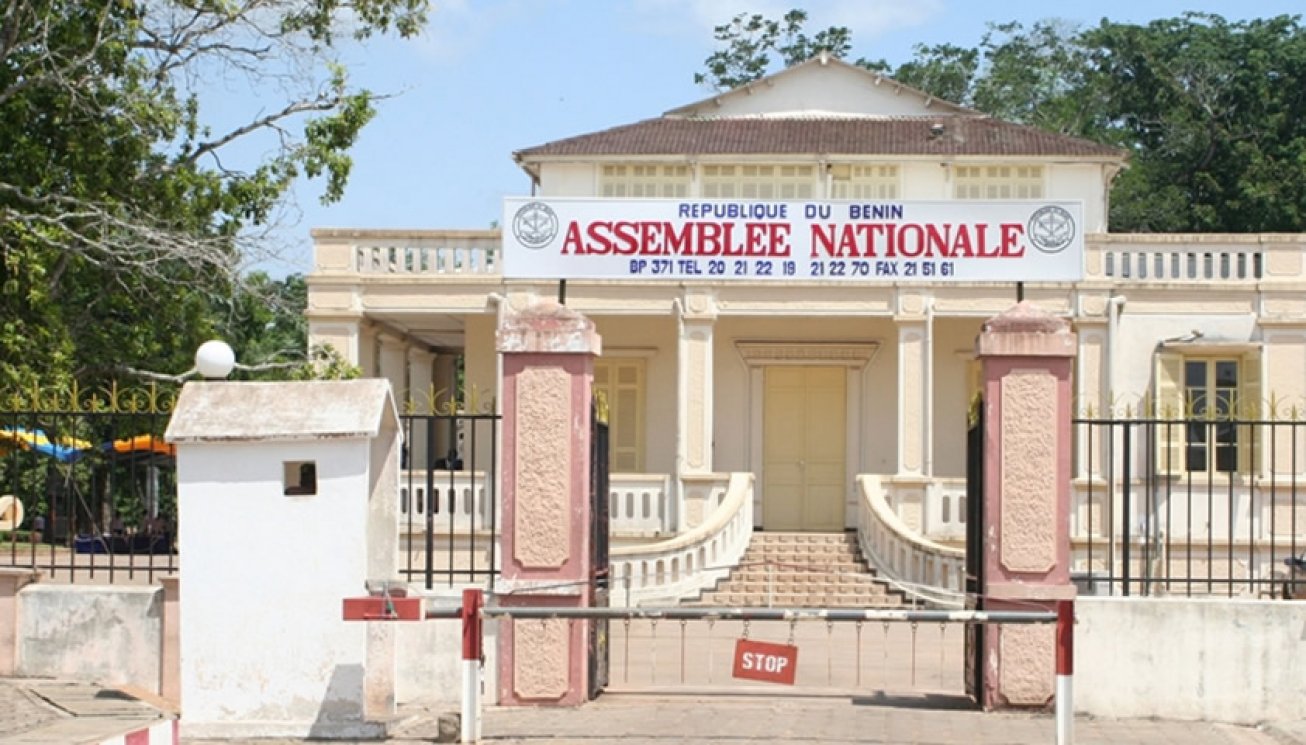
The Conference of Presidents endorsed this accelerated timetable, underscoring the necessity for prompt review and voting on these critical texts. This rapid legislative action aligns public policy with the new governmental structure following President Romuald Wadagni’s inauguration and the strategic directives he has outlined for Bénin’s future, impacting governance Africa.
The proposed rectifying budget sees the general state budget increase by 8 percent, rising from 3,783.984 billion FCFA to 4,086.620 billion FCFA.
Implications of the rectifying budget law
Despite the budget adjustments, Bénin’s macroeconomic projections remain stable, with a consistent growth rate of 7.5 percent. Personnel expenditures are set to decrease by 9.8 percent, a rationalization effort that does not compromise planned recruitments or spending on goods and services. Concurrently, budgetary revenues are projected to grow by 2 percent, and investment outlays will see an 8.5 percent increase.
Beyond financial equilibrium, this rectifying finance bill signals a pronounced shift towards social priorities, a significant development for society Africa. New funds are being allocated to bolster social protection and human capital. This includes initiatives such as installing water points in schools and health centers, accelerating the crucial nutritional supplementation program for the first thousand days, enhancing mandatory health insurance coverage, and providing care for children living on the streets or engaged in begging.
The education sector is also receiving a substantial boost. Plans are underway to generalize free secondary school tuition for girls, commencing with the 2026-2027 academic year. Additionally, a program for constructing storage facilities for school canteens is being implemented.
Regarding internal security, the state is increasing its allocations to strengthen public safety mechanisms. This effort primarily focuses on deploying a comprehensive video protection solution across major urban centers. The health and infrastructure sectors are not overlooked, with increased credits within the Public Investment Program dedicated to supporting the construction and rehabilitation of hospitals and dispensaries, making the Calavi International Hospital operational, and executing vital sanitation and transport projects.
Finally, amidst a global landscape marked by rising prices due to geopolitical crises, the government aims to support the productive sector through subsidies for agricultural inputs. This measure is designed to enhance productivity and reinforce national food security. This Friday’s parliamentary session is thus poised to be a pivotal moment in Bénin’s legislative calendar, given both the financial magnitude of the budget adjustments and the profound political and social signals it conveys for African politics and governance in the region.