Chad’s opposition struggles under Mahamat Déby’s tightening grip
The political landscape in Chad continues to tighten under the leadership of transitional leader Mahamat Idriss Déby Itno, as opposition figures face mounting challenges in asserting their influence. Months into his rule, the dynamic between the military-backed administration and civil society groups has become increasingly strained, with dissent often met with swift repression rather than dialogue.
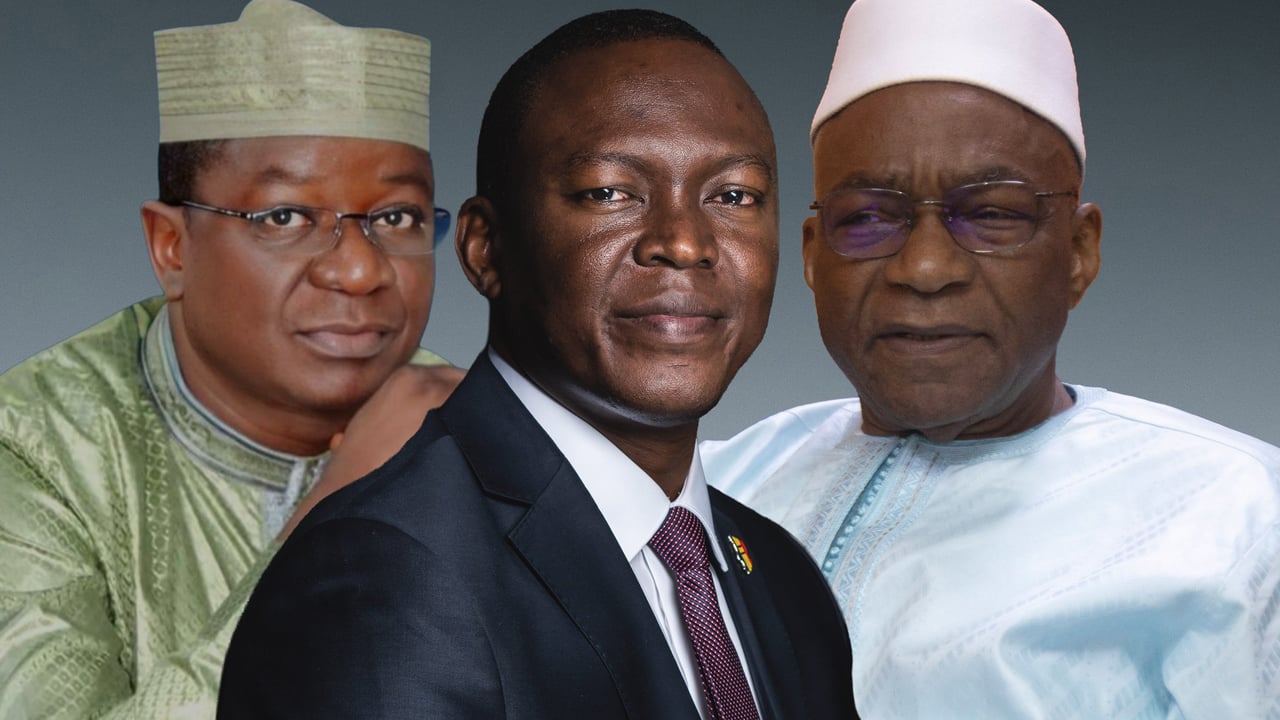
Three prominent opposition leaders—Albert Pahimi Padacké, Succès Masra, and Saleh Kebzabo—have found themselves navigating a landscape where public dissent is met with heavy-handed tactics. Their efforts to mobilize support have been met with restrictions, arrests, and other forms of coercion, leaving many to question whether a united opposition front can emerge in the current climate.

Rising tensions between power and dissent
The opposition’s difficulties have intensified as the transitional government consolidates its control. Public protests, once a common sight in N’Djamena and other urban centers, have dwindled due to strict security measures and the threat of incarceration. Leaders like Kebzabo, once vocal critics, now find their movements closely monitored, if not outright suppressed.
Meanwhile, the government has moved to tighten its grip on institutions, raising concerns about the erosion of democratic norms. Analysts warn that such tactics could further isolate Chad on the regional stage, where governance and stability remain critical issues.
Divisions within the opposition weaken collective action
The fragmented nature of the opposition has further complicated their struggle. Personal ambitions, ideological differences, and strategic misalignments have prevented the formation of a cohesive front capable of challenging the status quo. Padacké, Masra, and Kebzabo, despite their shared goal of democratic transition, have struggled to present a unified front.
Public disillusionment is palpable, with many citizens questioning whether the opposition can ever overcome its internal divisions to present a viable alternative to the current leadership. The lack of a clear, coordinated strategy has left supporters frustrated, with some turning away from formal politics altogether.
No clear path forward for Chad’s political future
With the opposition weakened and the government tightening its control, the road ahead for Chad remains uncertain. The international community has watched with growing unease, though concrete action remains limited. For now, the balance of power favors Mahamat Idriss Déby Itno, leaving little room for dissent to take root.
As Chad navigates this critical juncture, one question looms large: can the opposition regroup and mount a meaningful challenge, or will the current trajectory of repression and division define the country’s political future for years to come?