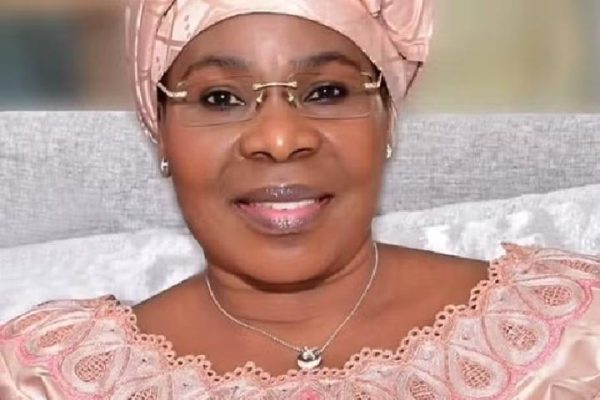
Since July 27, 2026, Togo’s former Defense Minister has refused all food to protest harsh prison conditions. Eleven months after her September 2025 arrest for criticizing Faure Gnassingbé’s governance, she amplifies the struggle of sixty political detainees still denied freedom.
On August 30, 2025, as Lomé erupted in protests over rising living costs and a constitutional reform shifting Togo to a parliamentary system, Essozimna Marguerite Gnakadé joined the demonstrations. The first woman to lead Togo’s Defense Ministry (2020-2022), she was quickly targeted by security forces and briefly sent home before her September 17, 2025 arrest for publicly questioning Gnassingbé’s leadership.
Trapped in Togo’s prison system for nearly a year, Gnakadé escalated her protest on July 27, 2026 by launching a total hunger strike. No improvement in conditions had been granted, forcing her to use her body as the ultimate plea against what her supporters call systematic mistreatment.
From government insider to political prisoner symbol
Gnakadé’s journey was unique: appointed Defense Minister in October 2020 despite no military background, she was also the late Ernest Gnassingbé’s widow – brother of the current president. Yet this proximity to power didn’t shield her when she chose to stand with the people rather than against them.
« This hunger strike isn’t born of despair, but conviction. When justice remains silent, our bodies become our last voice. »
– Statement from collective of hunger-striking political detainees, November 2025
Desperate measures in response to inhumane detention conditions
Gnakadé’s protest follows a pattern. Since 2025, hunger strikes have emerged as the only tool available to Togo’s political prisoners to demand attention. November 2025 saw thirty-seven detainees begin collective fasting, while December witnessed activists Grâce Koumayi and Abdoul Aziz Goma endure fifty days without food at Lomé’s civil prison, forcing authorities to respond. Human rights groups now demand immediate medical access for all striking detainees.
Diverging fates of former regime officials
Gnakadé’s case parallels those of Kpatcha Gnassingbé and General Félix Kadanga – former officials who once wielded significant power. However, their paths diverged from hers. Kpatcha Gnassingbé, the president’s half-brother and former Defense Minister, served sixteen years for alleged coup attempt before receiving a presidential pardon in December 2025. General Kadanga, former army chief, has been serving a twenty-year sentence since 2023 for complicity in a colonel’s murder. Gnakadé remains the only one still imprisoned specifically for exercising political dissent.
Togo’s ongoing crisis following constitutional changes
Since March 2024’s constitutional reform transforming Togo from a presidential to parliamentary system, President Gnassingbé rules as Council of Ministers chairman with no term limits. Opposition groups labeled the change a ‘constitutional coup,’ sparking 2025’s youth-driven protests. Authorities responded with violent crackdowns and mass arrests that created most of today’s political prisoner population.
December 2025’s presidential pardon freed 1,511 detainees, praised as a conciliatory gesture. Civil society organizations estimate approximately seventy ‘political’ prisoners remain incarcerated.
NGO mobilization for political prisoner release
The ‘Don’t Touch My Constitution’ movement and opposition parties continue advocating for all political prisoners’ release. Organizations report at least nine deaths in custody since repression began, with many survivors bearing marks of torture. They demand immediate, unconditional release of all political detainees and guaranteed medical access for hunger strikers like Gnakadé, whose health continues deteriorating after eleven months behind bars.