Monday, October 26

Chronicle

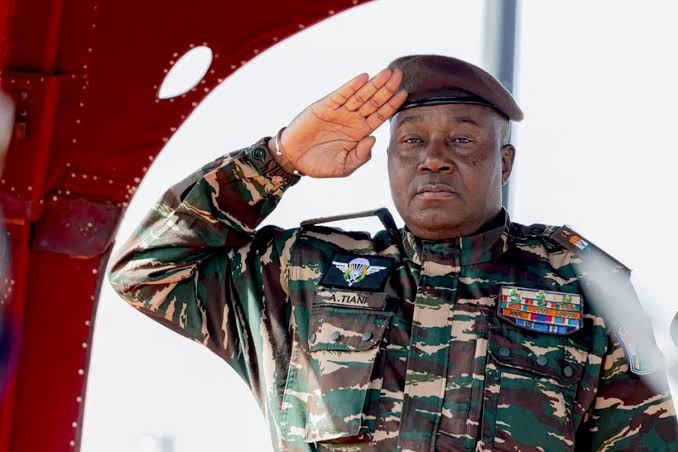
Niger: Tiani faces discontent within special forces after russian intervention
Analysis, Chronicle, News, Top Stories

Niger: Tiani faces discontent within special forces after russian intervention

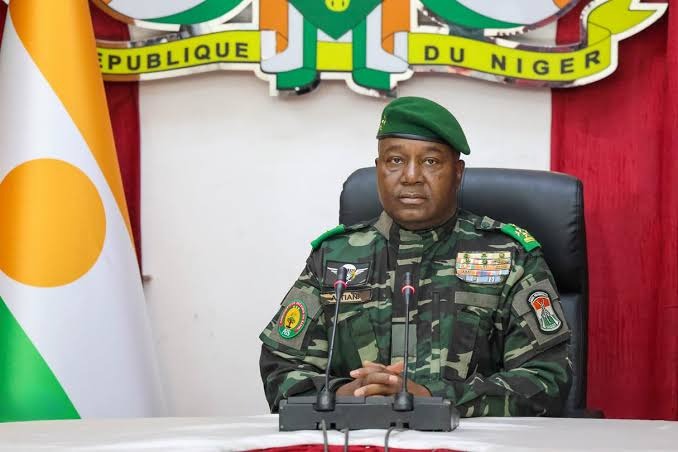
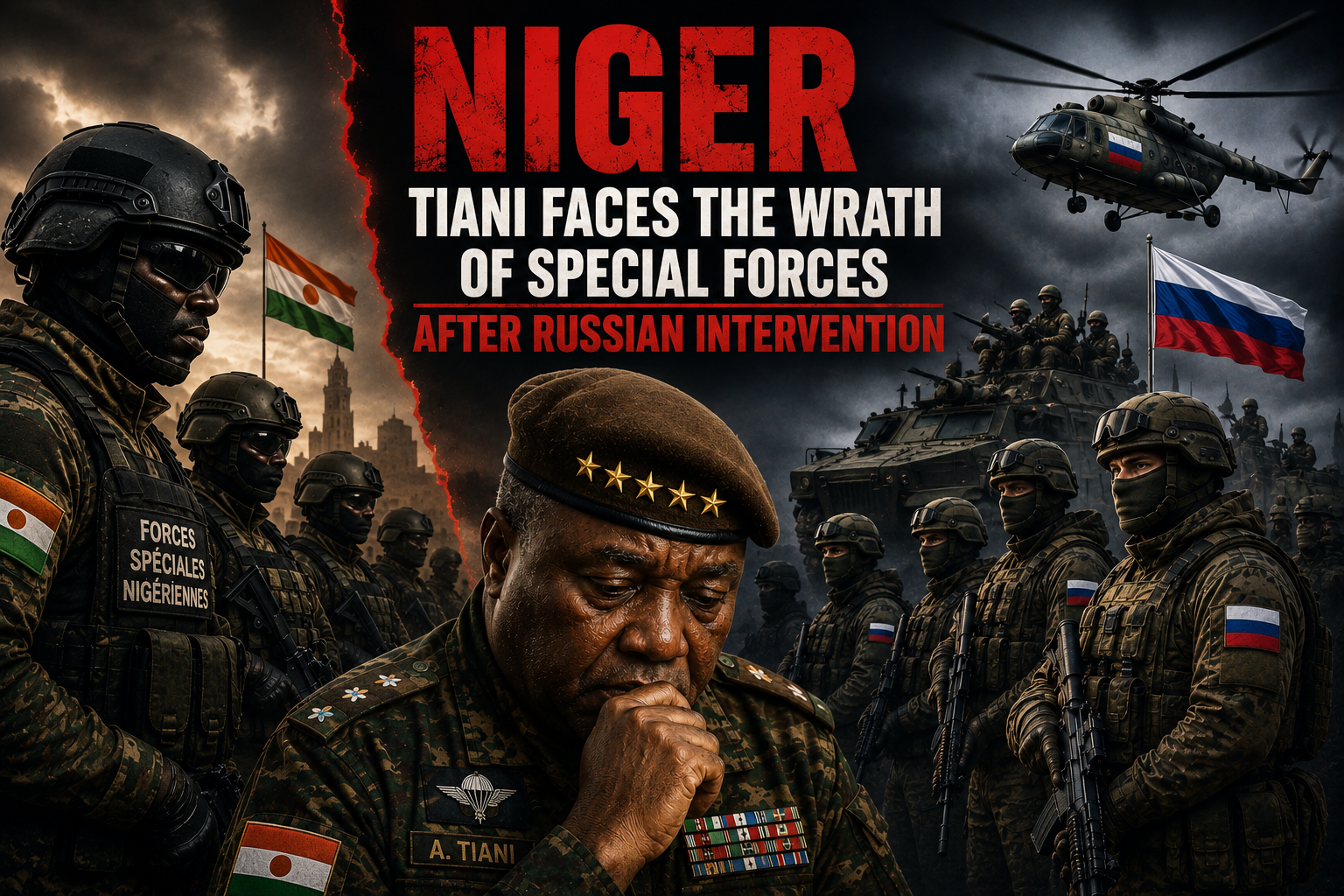
In Niamey, the apparent calm following the events of August 29 may be concealing deeper tensions. Behind the official statements of control and the regime's assurances, a question is becoming increasingly difficult to avoid: is the Nigerien military command structure as unified as it seeks to appear?Appearances can be deceptive.In Niamey, traffic has resumed, authorities are communicating, and the government seems to have closed the chapter on August 29. However, in military regimes, a return to calm in the streets does not necessarily signify a return to normalcy within the barracks.It is precisely there that the principal blind spot of the Nigerien crisis now lies.According to information reported notably by Burkinabè activist Henry Segbo, relations between General Abdourahamane Tiani an...

why only democracy can save Niger from the cycle of military coups
Chronicle

why only democracy can save Niger from the cycle of military coups

For over half a century, Niger's political landscape has been trapped in a relentless cycle of turmoil. From the 1974 ousting of Hamani Diori to the gunfire that echoed through Niamey on August 29, 2026—pausing only for the brief regimes of Baré Maïnassara and Salou Djibo—the nation has repeatedly turned to military force in search of solutions to its deepening crises. Yet, the outcome of fifty years of military instability is indisputable: no coup has ever delivered enduring progress, national unity, or security for the people of Niger. Each junta rises to power on promises of temporary salvation, vowing to restore national dignity. Yet each military transition not only drags on interminably but also isolates the regime and hampers its ability to govern. Recent events do not mark an anom...
The coup’s boomerang: Niamey’s military regimes face inherent instability
Chronicle

The coup’s boomerang: Niamey’s military regimes face inherent instability

The pattern of political upheaval in Niamey unfolds with a tragic predictability, almost a mechanical regularity. While leaders and administrations in Niger's capital may change, the underlying method of power transfer remains disturbingly consistent. When heavy gunfire and explosions once again shattered the night near Niamey's presidential palace and airbase, the populace collectively held its breath, gripped by a painful sense of déjà vu. Whether these incidents stem from disgruntled garrison mutinies or high-level military rivalries, they are never mere accidents. Instead, they represent a direct symptom of the inherent structure of regimes born from coups d'état, highlighting persistent challenges in African politics. Just three years after the civilian government's overthrow in July ...
military claims vs. reality: assessing Burkina Faso’s security situation
Chronicle, News

military claims vs. reality: assessing Burkina Faso’s security situation

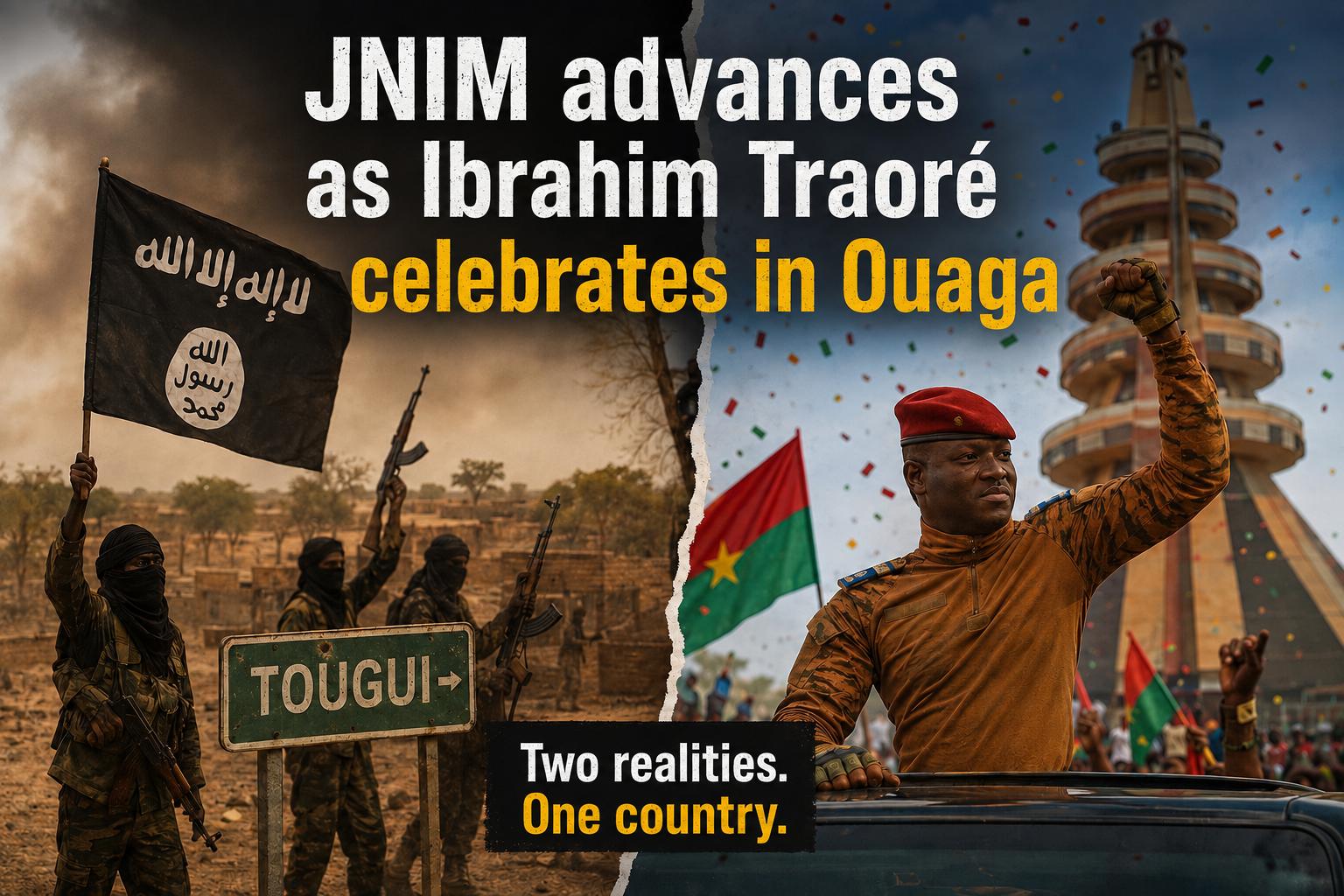
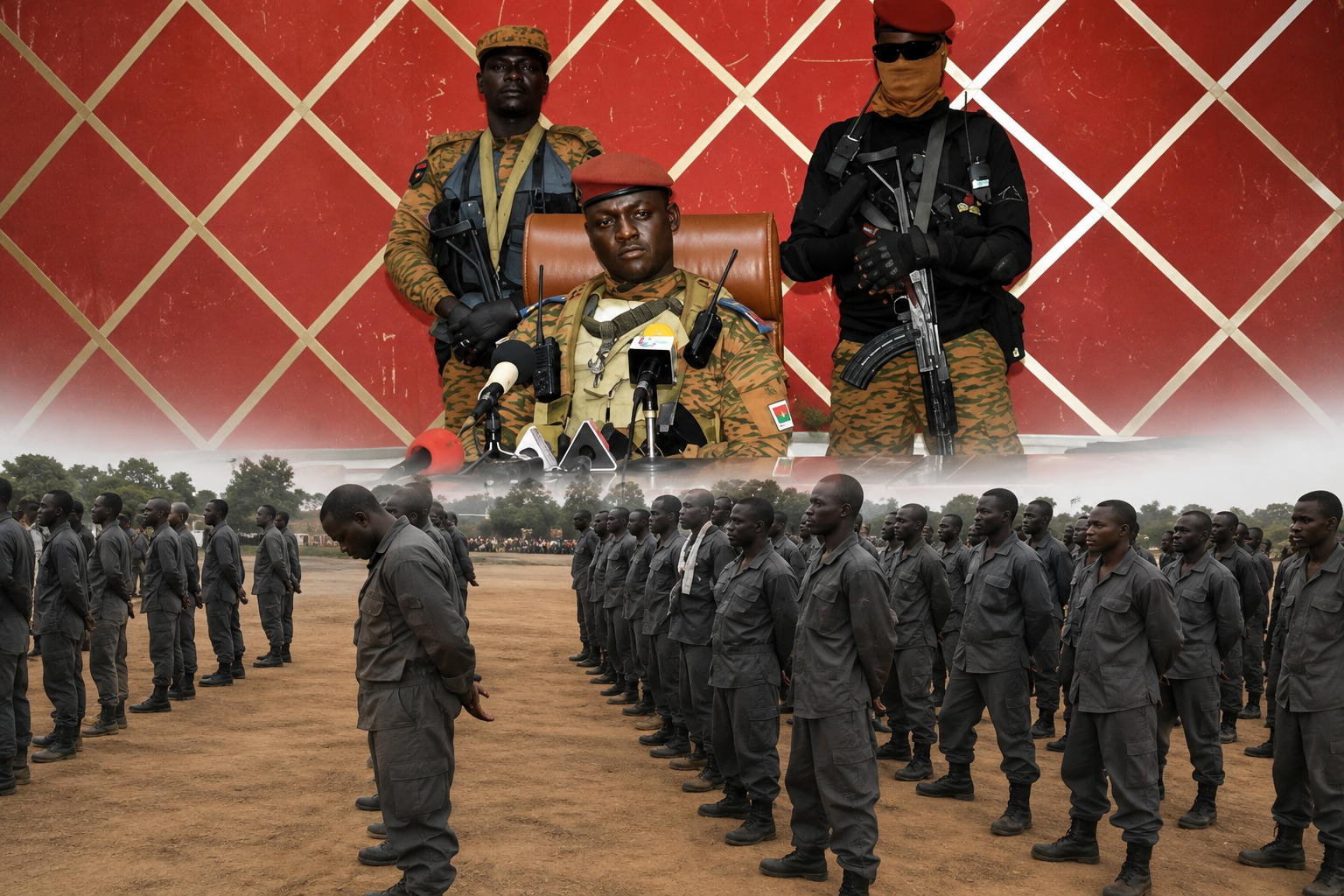
Captain Ibrahim Traoré’s government maintains a consistent message of progressive territorial control in Burkina Faso. However, ground-level observations present a contrasting scenario. On 26 August 2026, the Jama'at Nusrat al-Islam wal Muslimin (JNIM) claimed responsibility for capturing a militarised militia outpost in Tougui, located near Ouahigouya. While this account lacks independent verification, it underscores a pressing dilemma: if military recovery efforts are achieving their stated objectives, how can non-state actors continue carrying out attacks or seizing strategic positions in northern Burkina Faso? Sustained Territorial Control Remains Elusive The mere assertion of control over territory does not equate to effective governance or enduring security. Effective territorial st...
Burkina Faso’s strategic alliances: assessing the true cost of gold and aid
Analysis, Chronicle, News

Burkina Faso’s strategic alliances: assessing the true cost of gold and aid

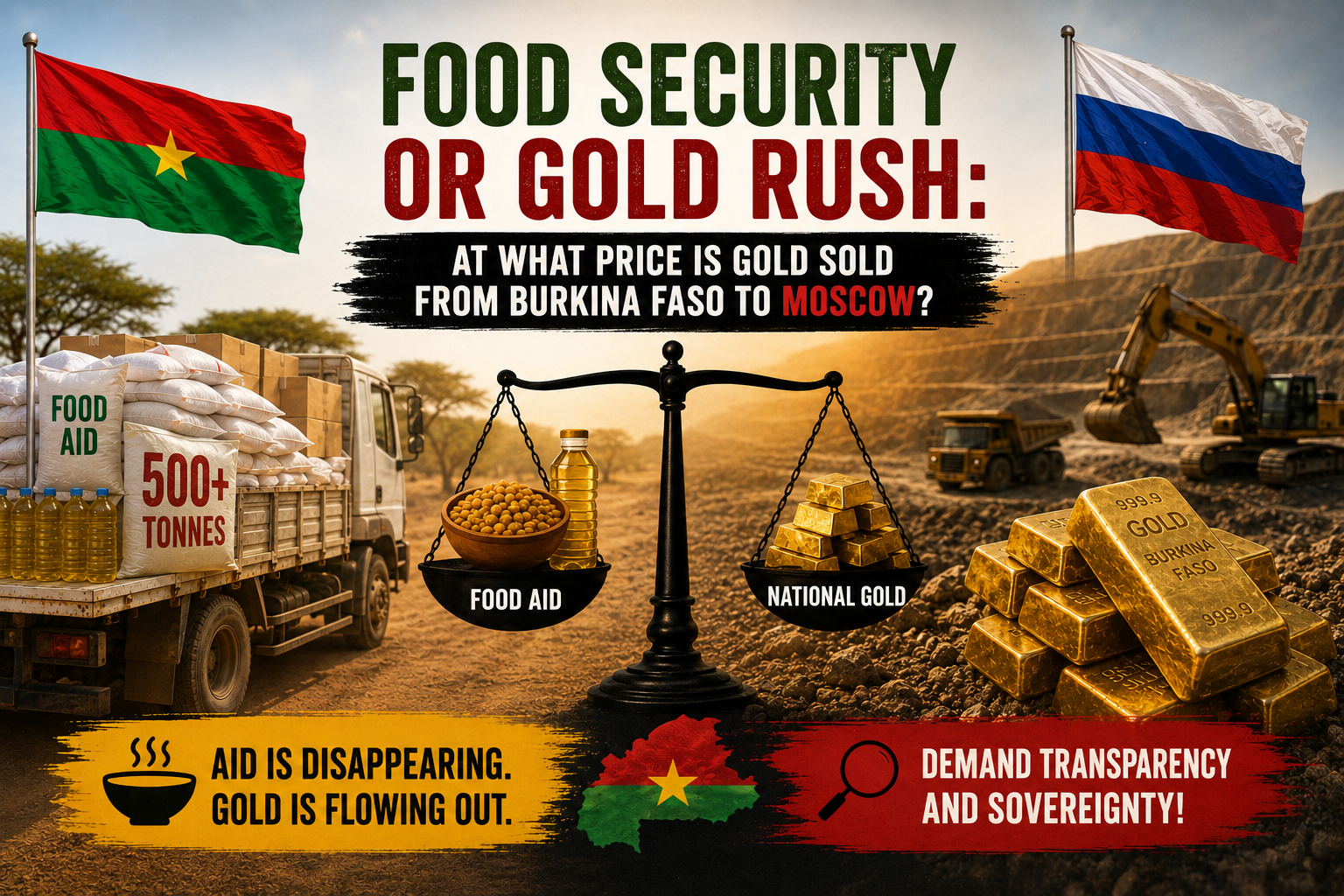
A significant announcement emanated officially from Russian diplomatic channels in Ouagadougou: Russia has dispatched over 500 tonnes of humanitarian food aid to Burkina Faso, valued at an estimated 942,500 US dollars. This consignment notably included 462 tonnes of yellow split peas and 93.84 tonnes of sunflower oil. The gesture was presented as a demonstration of fraternal solidarity amidst a particularly challenging humanitarian and security landscape. Yet, beyond this humanitarian operation, a critical question warrants serious consideration: what is the genuine nature of the partnership taking shape between Ouagadougou and Moscow? While food assistance is undeniably valuable, it should not preclude citizens from scrutinizing the economic, mining, and strategic conditions that underpin...
Togo’s constitutional drift: power concentrated in Faure Gnassingbé’s hands
Chronicle, News

Togo’s constitutional drift: power concentrated in Faure Gnassingbé’s hands

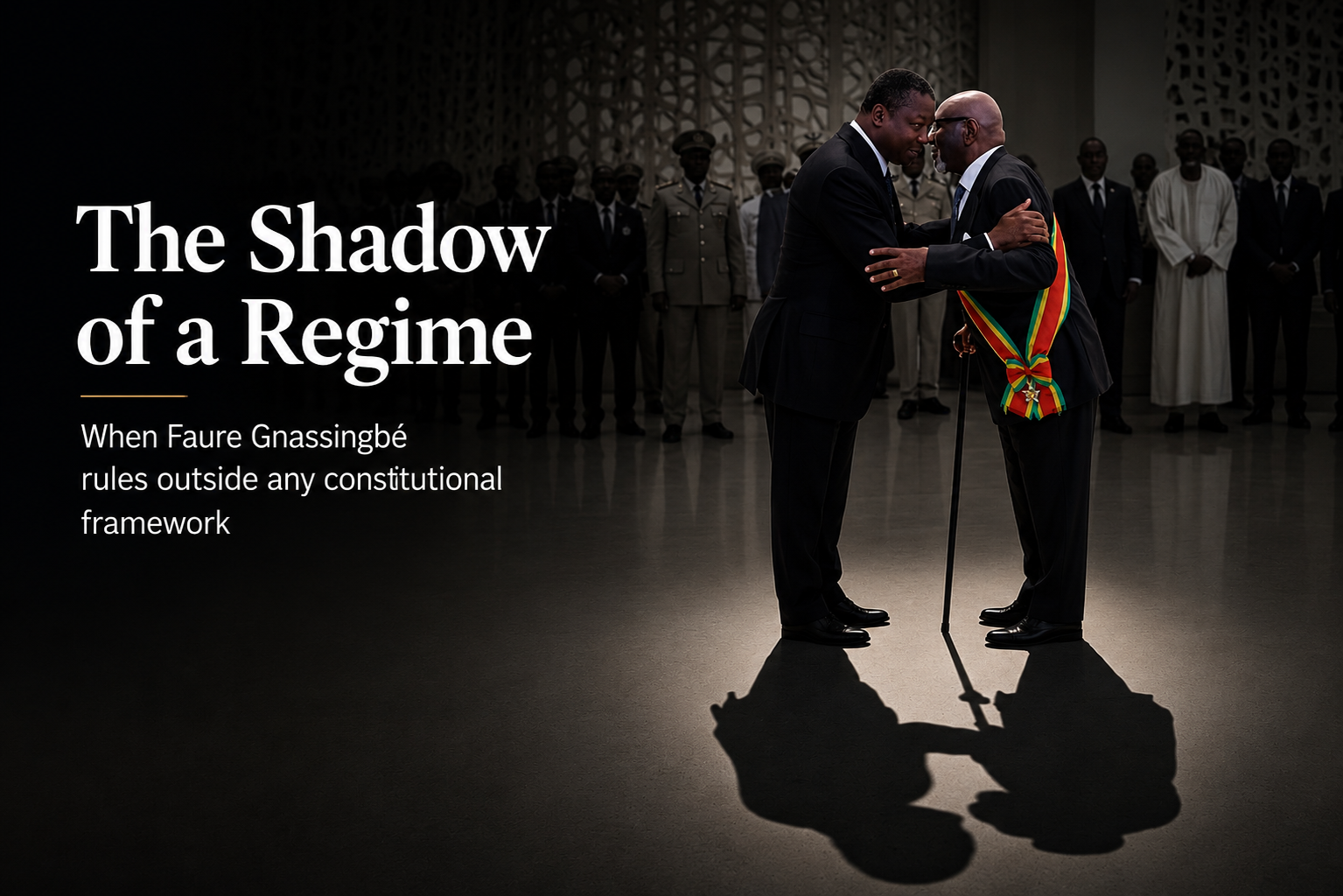
An institutional reshuffle that sidesteps democracyThe arrest of two French nationals in northern Togo has thrust the nation’s political crisis into the international spotlight. Charged this week after days in custody by intelligence services, their fate appears sealed by a directive from President Faure Gnassingbé himself. Sources indicate he personally instructed Justice Minister Pacôme Adjourouvi to "yield to no pressure," a phrase that reveals the depths of executive overreach.Yet this diplomatic incident is merely the visible symptom of a far more troubling phenomenon: the erosion of Togo’s democratic foundations. A critical question now looms over Lomé: who truly governs the country, and by what authority?A constitutional facelift with troubling implicationsUnder the guise of institu...
Motorcycle club completes 3,000 km tour across west africa
Chronicle

Motorcycle club completes 3,000 km tour across west africa

A group of twenty passionate riders from Motards du Faso completed their 2026 West Africa Grand Tour after ten days and nearly 3,000 kilometers of travel. The journey began and ended in Ouagadougou, passing through Burkina Faso, Ghana, Togo, Benin, and Nigeria. The expedition was more than just an adventure—it combined sport, culture, and community outreach. Riders promoted road safety by encouraging helmet use, delivered donations to local communities, and strengthened bonds with fellow motorcyclists across the region. On their return to the capital, the team was greeted by cheering crowds. The most memorable leg of the trip took place during the first 24 hours: departing Ouagadougou at 4:30 a.m., they arrived in Accra—over 500 kilometers away—by 3:30 a.m. the following day, including r...
How authoritarian power turns its own backers into targets in Burkina Faso
Analysis, Chronicle, News

How authoritarian power turns its own backers into targets in Burkina Faso

The history of authoritarian regimes is marked by a paradox as old as power itself: the tools of repression created to silence opponents almost always end up being turned against those who once wielded them. Burkina Faso is now witnessing this dynamic under Captain Ibrahim Traoré’s leadership, where the once-loyal allies of the transitional government find themselves increasingly under fire.Over the past months, a pattern has emerged arbitrary arrests, forced disappearances reported by rights groups, smear campaigns, intimidating summons, media restrictions, and requisitions of citizens in the name of the war effort that no longer targets only traditional critics. Former supporters, including Muslim community leaders, civil society figures, commentators, influencers, and opinion-makers who...
Burkina Faso’s patriotism push raises alarm over military abuses
Analysis, Chronicle, News

Burkina Faso’s patriotism push raises alarm over military abuses

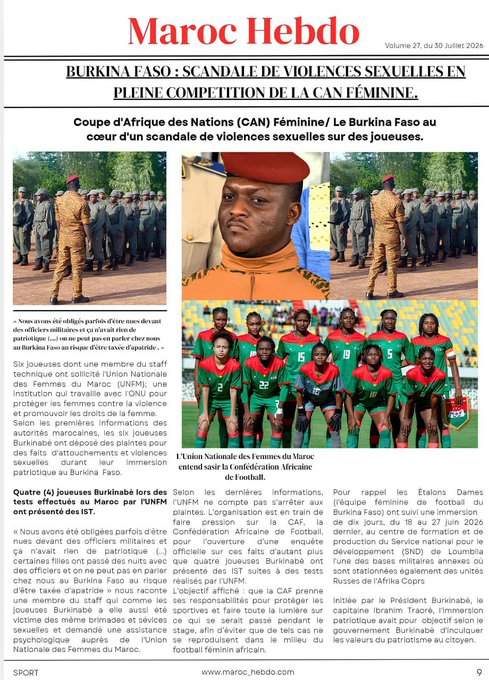
Military-led initiatives under scrutiny after alleged sexual abuses The Burkina Faso government’s push for what it calls "re-patriotisation" has taken a disturbing turn, with serious allegations emerging from a military-run training program for the national women’s football team. Six players and a technical staff member have filed a complaint in Morocco, accusing military officers of sexual violence during a supposed patriotic immersion stage organized ahead of a continental competition. The program, framed as a way to instill discipline, national duty, and sacrifice among athletes, has instead become a focal point for concerns over the expanding role of the armed forces in civilian life. If verified, these accusations would represent a grave violation of fundamental rights and highlight...
Sahel States alliance grapples with unmet promises as challenges mount
Chronicle, News

Sahel States alliance grapples with unmet promises as challenges mount

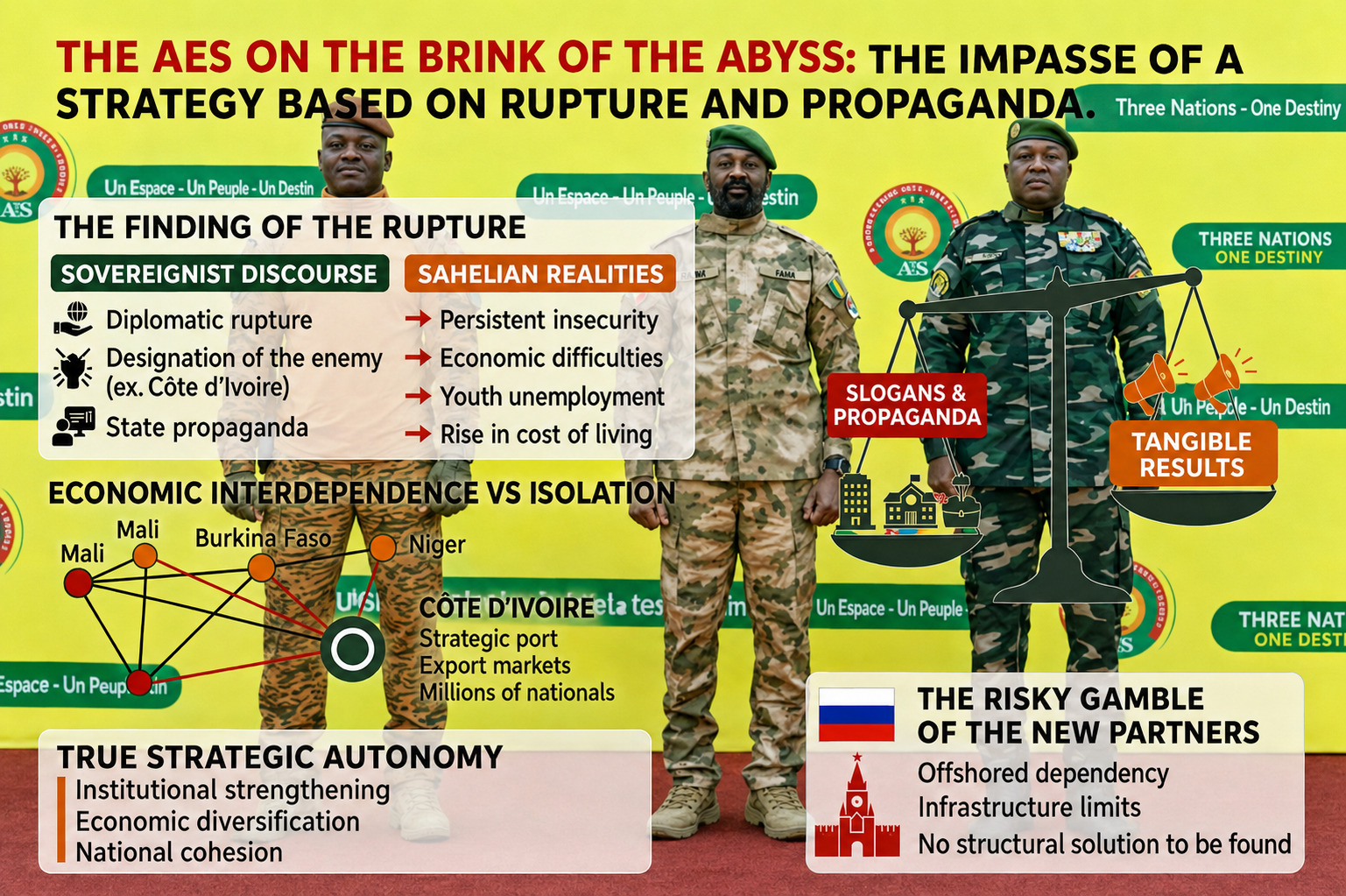
The military administrations in Mali, Burkina Faso, and Niger have staked their legitimacy on breaking away from established regional dynamics and distancing themselves from long-standing partners following their seizure of power. The creation of the Alliance of Sahel States (AES) embodies this drive to realign alliances and assert sovereignty, yet three years after the initial coups, escalating security threats and economic hardships continue to undermine these grand objectives.While the AES's focus on sovereignty has struck a chord with portions of the Sahelian population—fueled by deep-seated grievances over persistent insecurity and dissatisfaction with international support—the acid test of true independence lies in measurable results. Can these governments guarantee public safety, sp...
Niger’s struggle for true sovereignty amid russian fertilizer dominance
Chronicle

Niger’s struggle for true sovereignty amid russian fertilizer dominance

The paradox of independence: trading one dependency for another In Niger, as across the Sahel, the call for total sovereignty resonates loudly. The nation is charting a bold course to sever ties with long-standing Western partnerships and reclaim control over its future. This shift is celebrated by many citizens, who see it as a path to self-determination in diplomacy and security matters. Yet beneath the surface, a critical vulnerability emerges. The country’s food security and soil fertility remain dangerously dependent on mineral fertilizer imports from Russia. By replacing traditional supply networks with these synthetic inputs, Niger risks swapping one form of dependence for another—this time, a chemical servitude that ties its agricultural fate to Moscow’s geopolitical maneuvers. R...
Niger Benin border closure fuels political tension and economic strain
Analysis, Chronicle, News, Top Stories

Niger Benin border closure fuels political tension and economic strain

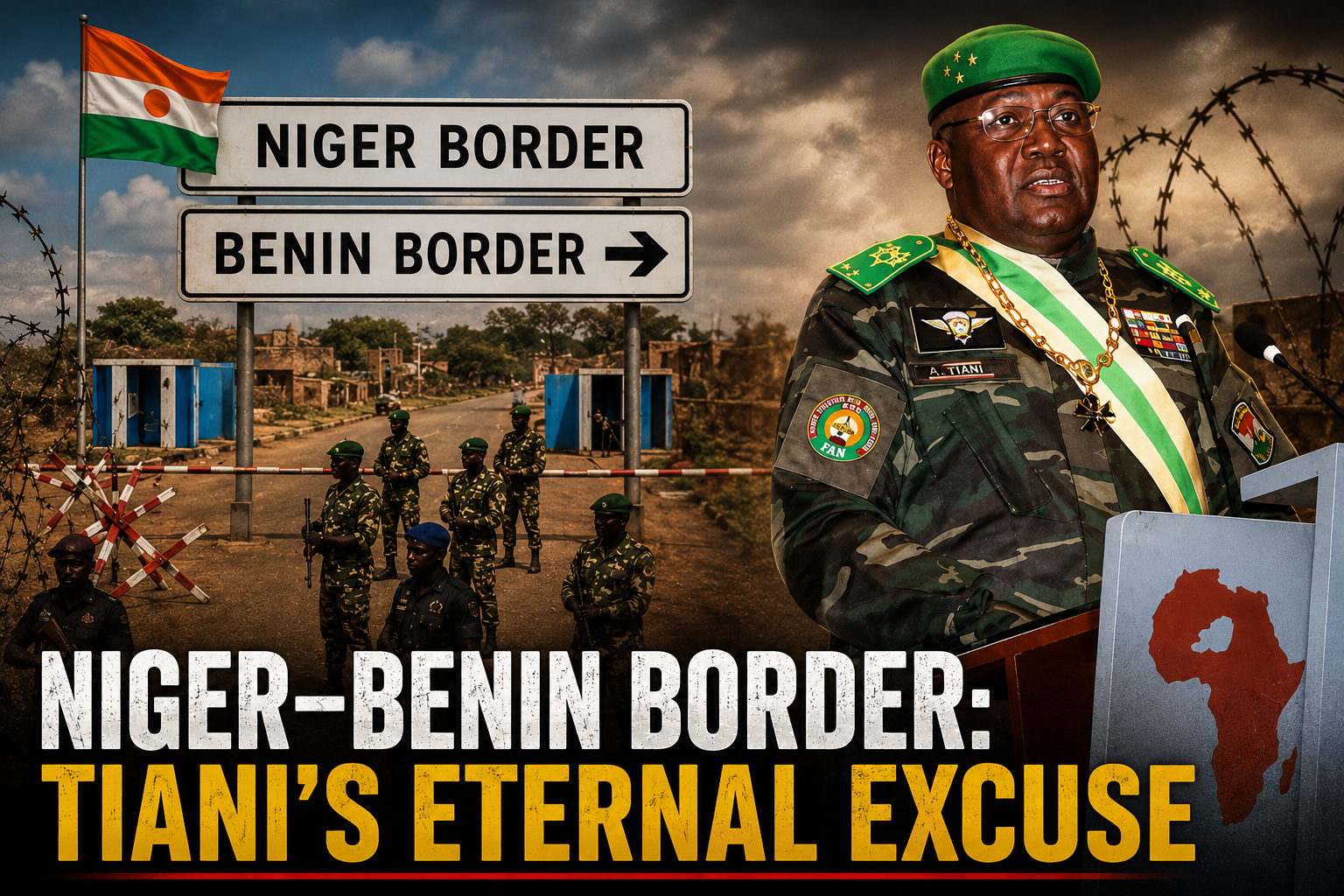
Diplomatic deadlock overshadows border crisis between Niger and Benin Nearly two months after Benin's Foreign Minister Romuald Wadagni's visit to Niamey, and five weeks following technical discussions between experts from both nations, expectations for a swift resolution to the Niger-Benin border dispute had reached a peak. The talks appeared to have rekindled dialogue, hinting at a gradual reopening of exchanges between the two West African neighbors. However, on July 26, during a national address commemorating his first year in power, General Abdourahamane Tiani unequivocally dismissed any immediate prospects for border reopening. Speaking on national television, he stated, 'Certain prerequisites must be addressed before considering the irreversible decision to reopen the border.' This...