Saturday, November 21

Analysis

Mali’s $1B Russian military deal: public outcry grows over unmet security promises
Analysis, News

Mali’s $1B Russian military deal: public outcry grows over unmet security promises

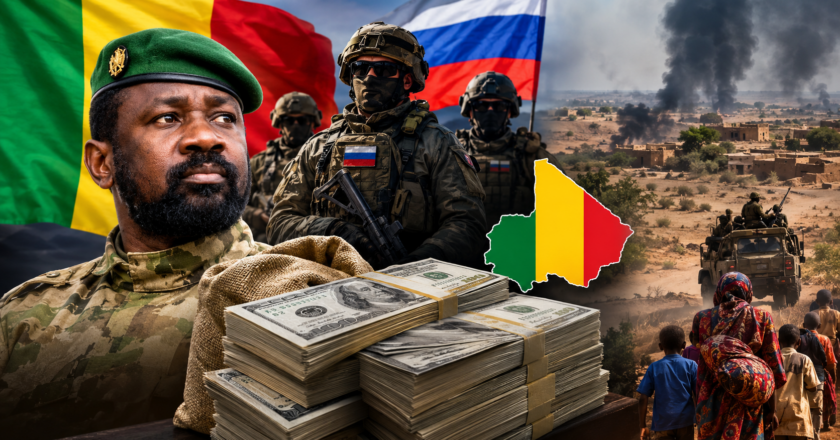
Nearly a billion dollars. That is the staggering sum Bamako has committed to bolstering its security infrastructure through Russian paramilitary forces, first Wagner Group fighters and now Africa Corps operatives. With each mercenary costing approximately $10,000 per month, the financial burden has become a focal point of national debate. The central question now facing Malian authorities is stark and unavoidable: after pouring such vast resources into this alliance, what tangible security gains can they demonstrate to justify the expenditure?From strategic pivot to accountability crisisThe decision to pivot away from Western partners particularly France was framed as a bold assertion of national sovereignty. Malian leaders pledged that Russian military cooperation would restore state auth...
Unpacking the Traoré-Le Pen sovereignty echo: insights from two nations
Analysis

Unpacking the Traoré-Le Pen sovereignty echo: insights from two nations

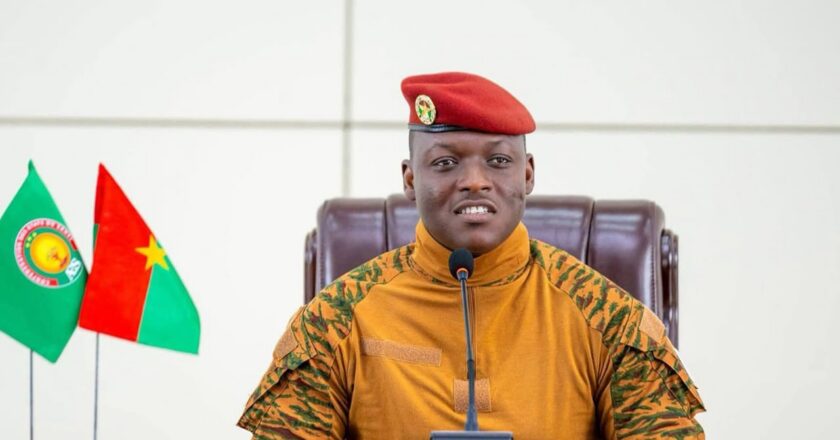
The unexpected alignment of two sovereignty advocates When Burkina Faso's Captain Ibrahim Traoré and France's Marine Le Pen both invoke sovereignty, it might seem like an odd pairing. Yet, a closer look reveals a shared narrative that transcends borders. Traoré, who took power in a 2022 coup, has consistently emphasized Burkina Faso's right to self-determination, often criticizing foreign interference. Le Pen, a stalwart of French nationalism, has long championed sovereignty against globalist forces. Their rhetoric, though rooted in different contexts, echoes a common theme: resistance to external domination. Root causes of the convergence The convergence isn't coincidental. Both leaders tap into public discontent with international institutions and perceived neo-colonial influences. In B...
Inside Cameroon’s 15,607 billion FCFA debt: the borrowing mechanics, the IMF’s unease and what it signals
Analysis

Inside Cameroon’s 15,607 billion FCFA debt: the borrowing mechanics, the IMF’s unease and what it signals

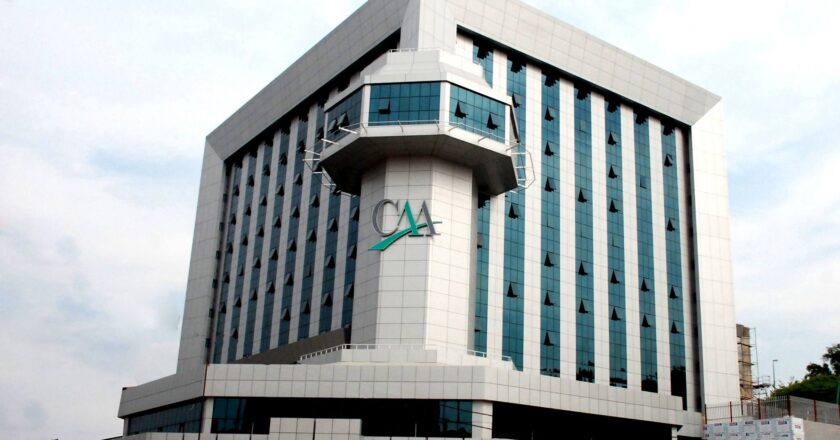
Cameroon's public debt stock reached 15,607 billion FCFA at the end of June 2026, equivalent to 44.2% of GDP, as the government kept raising new financing to build infrastructure, cover budget needs and service existing obligations — a sequence of decisions that explains both the headline figure and the concern it has triggered. At first glance, the number looks like a single event. In reality, it is the cumulative result of authorised borrowing ceilings, signed loan agreements and treasury operations spread across the year. A year earlier, the same debt stock stood at 14,409 billion FCFA, according to the Autonomous Amortisation Fund (CAA). The gap between the two figures is not one loan, but many. In January, President Paul Biya authorised the Ministry of Finance to raise domestic and ex...
Sonelgaz’s Senegal strategy: unpacking the deeper forces behind Algeria’s energy outreach
Analysis

Sonelgaz’s Senegal strategy: unpacking the deeper forces behind Algeria’s energy outreach

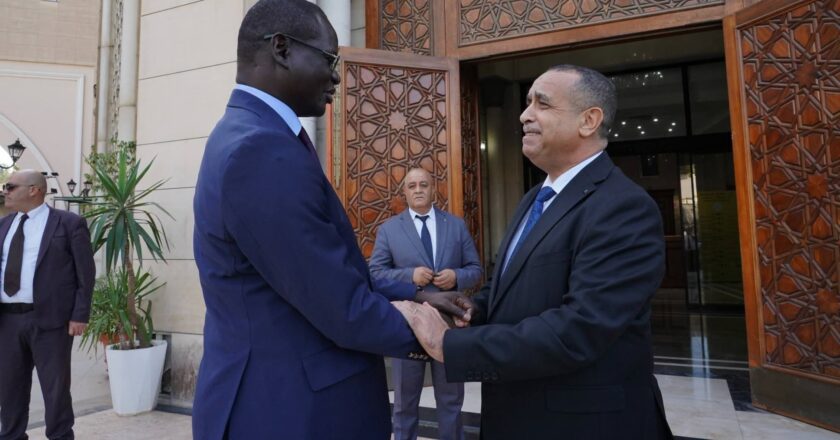
Inside Sonelgaz's Senegal expansion: the strategic logic behind Algeria's latest energy move The Algerian energy group Sonelgaz is charting a course into Senegal, building on its established footprint in Mali, Niger, Cameroon, Benin, and Mauritania. Two memoranda of understanding with Senegal's national electricity company, Senelec, signed on Saturday, mark a fresh milestone in Algeria's push for African energy integration. But beyond the ceremony, the real story is one of calculated economic diplomacy and a carefully constructed playbook. Algeria's economic diplomacy in Africa is picking up pace. On Saturday, 3 October, Algeria's Minister of Energy and Renewable Energies, Dr. Mourad Adjal, welcomed his Senegalese counterpart, El Hadji Abdourahmane Diouf, for high-level talks. At the hea...
Behind Benin’s economic transformation: the financing mechanisms taking shape
Analysis

Behind Benin’s economic transformation: the financing mechanisms taking shape

Benin's economy grew by 8.1% in 2025, and the momentum shows no sign of slowing. But behind that headline figure lies a more complex story: how does a country sustain structural transformation when the price tag keeps rising? The answer emerging from Cotonou is a carefully assembled mix of sustainable finance tools — SDG bonds, green financing, climate finance, and blended finance — each designed to pull capital toward the projects that will define the next decade. The funding gap that shapes every decision Transforming an economy is not a one-off expense. It is a multi-year commitment. According to the African Development Bank, Benin will need to mobilize roughly $2.43 billion annually through 2030 to accelerate structural transformation. Roads, energy, factories, agricultural enterprise...
Analysis

OL Lyonnes’ 0-0 draw with Chelsea: the ripple effects on French women’s football

What the stalemate means for the game in France At the Groupama Stadium on Wednesday, OL Lyonnes were held to a goalless draw by Chelsea in the Women's Champions League. For the first time this season, the French side failed to win and failed to score, a result that raises questions about the broader impact on French women's football. The immediate sporting fallout The draw leaves Lyon with fewer points than expected in their group, potentially complicating their path to the knockout stages. A win would have solidified their position at the top; instead, they now face pressure to deliver in upcoming matches. The team's attacking prowess, usually a hallmark, was neutralized by a disciplined Chelsea defense. Economic consequences for the club OL Lyonnes is not just a football team; it's a ...
Burkina Faso’s armored vehicle program: what the Faso Armored claim could cost citizens and businesses
Analysis

Burkina Faso’s armored vehicle program: what the Faso Armored claim could cost citizens and businesses

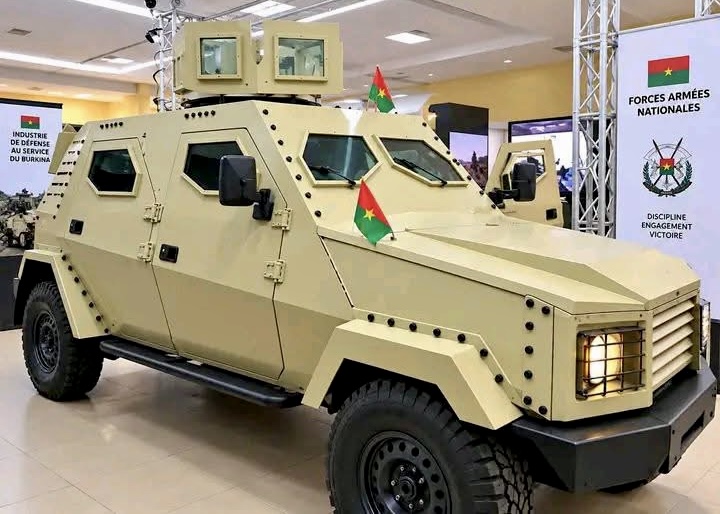
WHAT WE KNOW Burkina Faso's armored vehicle program: what the Faso Armored claim could cost citizens and businesses Burkina Faso has reportedly turned out nearly 300 armored vehicles since November 2025, according to Ibrahim Traoré. The military leader credits Faso Armored, a Burkinabè company whose facilities remain undisclosed. A senior military source describes a different reality: old Casspir vehicles were used to salvage components for up-armoring pickup trucks. That account undermines the narrative of domestic manufacturing, already shaken by repeated controversies over the "Made in Burkina" label. Beyond the political sparring, the stakes reach ordinary households, small traders and the broader economy.   Politics Published on Sunday, September 27, 2026 Nearly 300 a...
Bamako marks 66th independence anniversary as AES coordination advances
Analysis, News

Bamako marks 66th independence anniversary as AES coordination advances

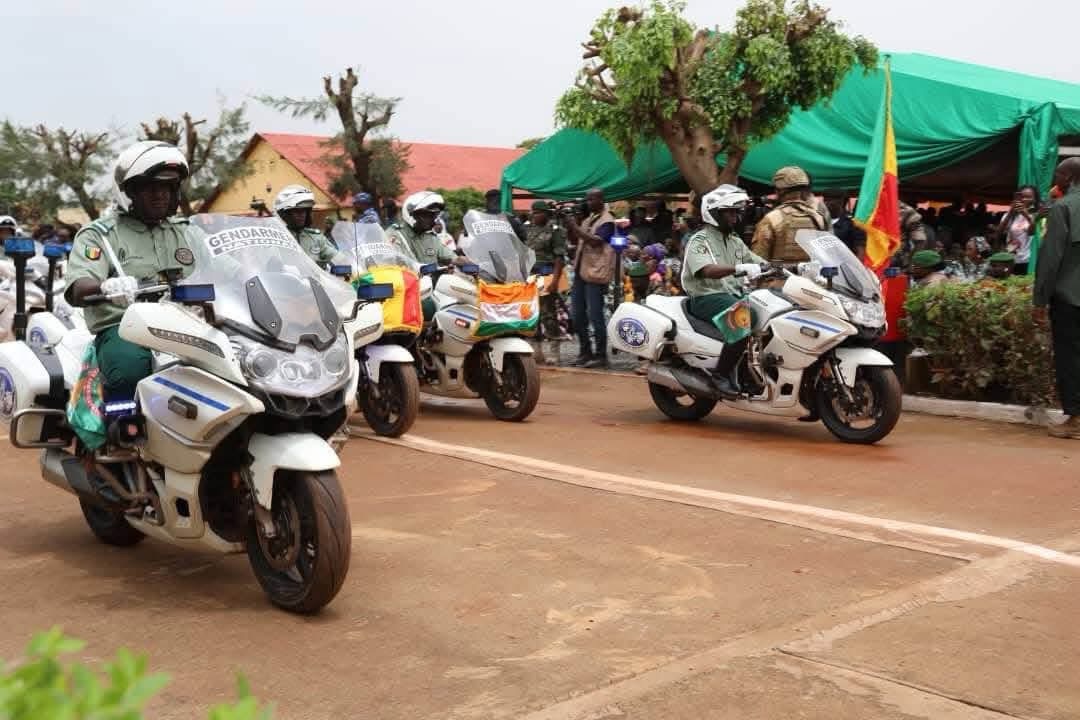
On 22 September 2026, Bamako marked Mali's 66th independence anniversary with a ceremony presided over by General Assimi Goïta. The programme included a review of troops, a parade by the Defence and Security Forces and an aerial display.Mali, like Niger and Burkina Faso, continues to observe its national day with official ceremonies, national tributes and a military parade. On the surface, the event followed an established pattern: the national holiday remains a celebration of each state's history and sovereignty, and Mali had staged similar ceremonies in previous years.The 2026 edition in a changing regional settingThe regional context gives this year's commemoration particular significance. Mali, Burkina Faso and Niger now present themselves as members of the same Confederation of Sahel ...
Mali: a camp lost, a convoy ambushed, a minister killed the record of the Malian army in 2026
Analysis, News

Mali: a camp lost, a convoy ambushed, a minister killed the record of the Malian army in 2026

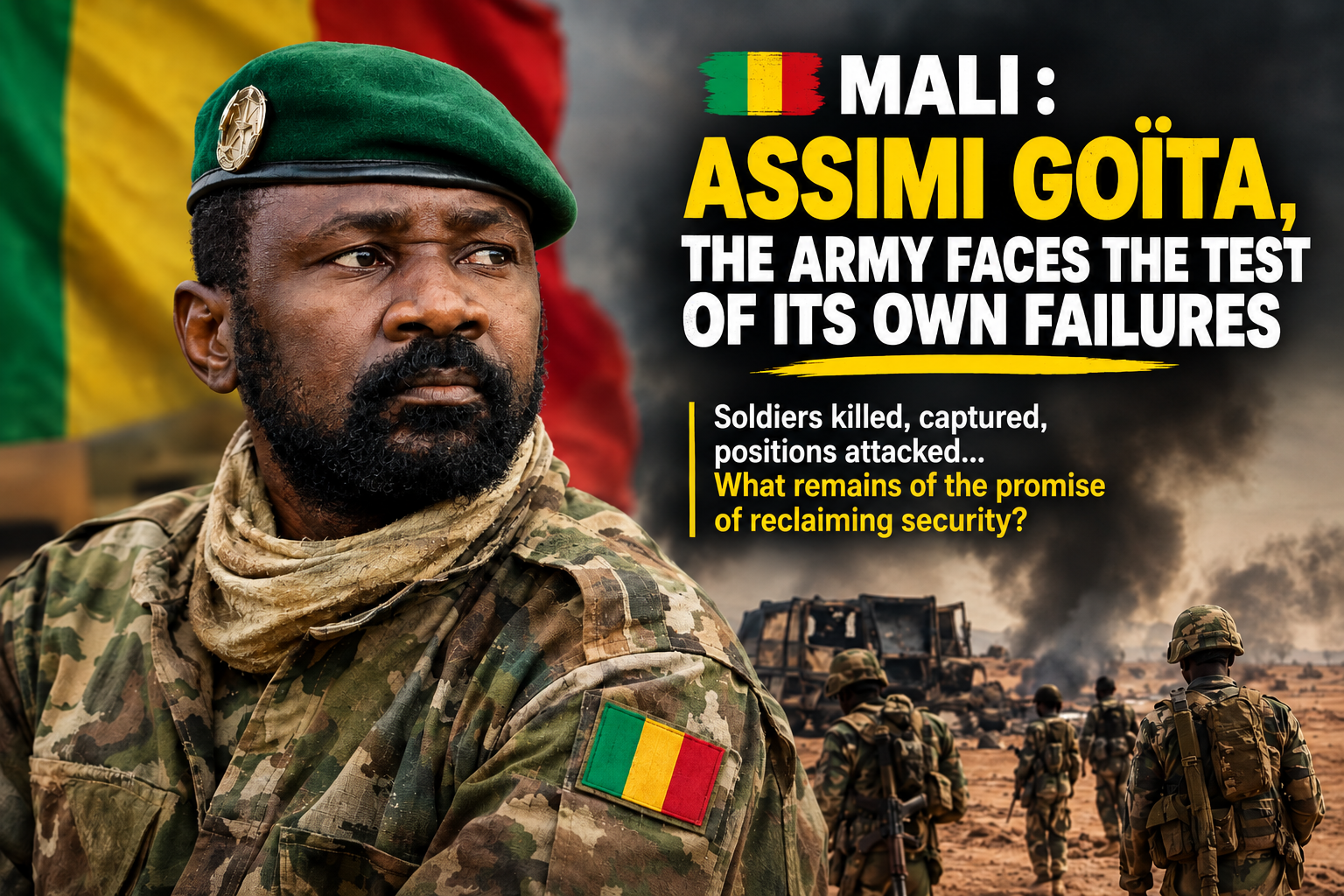
Malian soldiers killed in their positions, others taken prisoner, camps overrun and convoys ambushed: behind the succession of military setbacks recorded in 2026, a single question now runs through the security debate in Bamako what is left of the promise to reconquer the national territory, and who bears responsibility for the strategy meant to deliver it?The gap between the rhetoric of strength maintained by the authorities and the situation on the ground has become difficult to ignore. For several months, Malian forces have suffered particularly heavy losses against the JNIM and the Azawad Liberation Front (FLA). Repeatedly attributing these defeats to a lack of courage among the troops explains nothing. The facts point elsewhere: to strategy, intelligence and command.April 2026: coordi...
Niger: the CNSP’s security pledge and the fear that persists far from Niamey
Analysis, News

Niger: the CNSP’s security pledge and the fear that persists far from Niamey

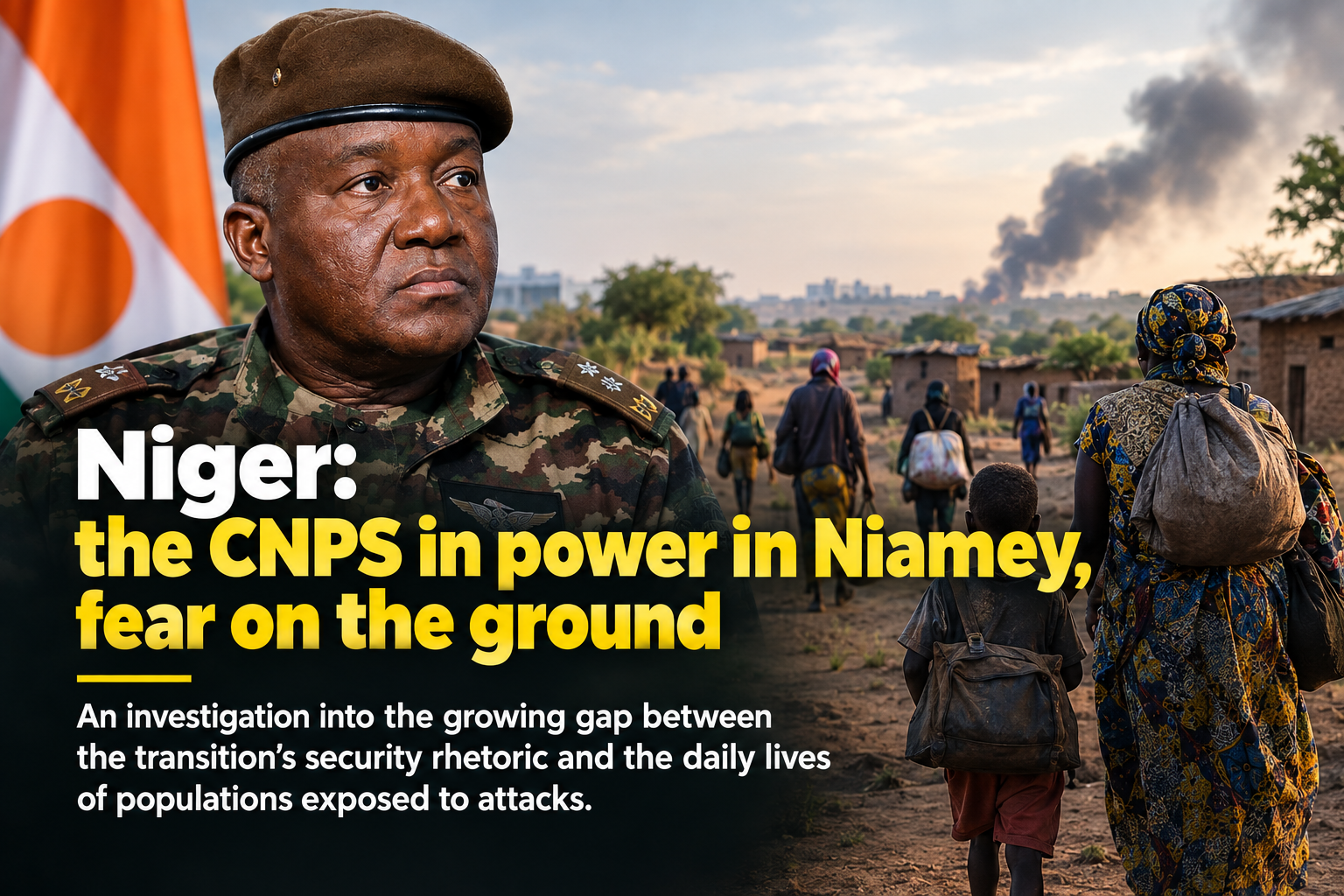
An examination of the widening gap between the security rhetoric of Niger's transition and the daily experience of communities exposed to armed attacks. They pledged to reclaim control. To restore safety. To return to Niger its sovereignty and its dignity. Three years on from the July 2023 coup, the Conseil national pour la sauvegarde de la patrie (CNSP) still presents its seizure of power as a historic break with the past. Yet far from Niamey, a different reality has taken shape. In areas repeatedly struck by armed groups, communities continue to live with fear, uncertainty and, at times, the conviction that they have been left to fend for themselves. Villages are hit, families displaced, livelihoods brought to a standstill. And one question keeps resurfacing: where are the leaders whe...