Monday, October 26

Chronicle

Burkina Faso’s struggle for sovereignty amid escalating security crisis
Analysis, Chronicle, News

Burkina Faso’s struggle for sovereignty amid escalating security crisis

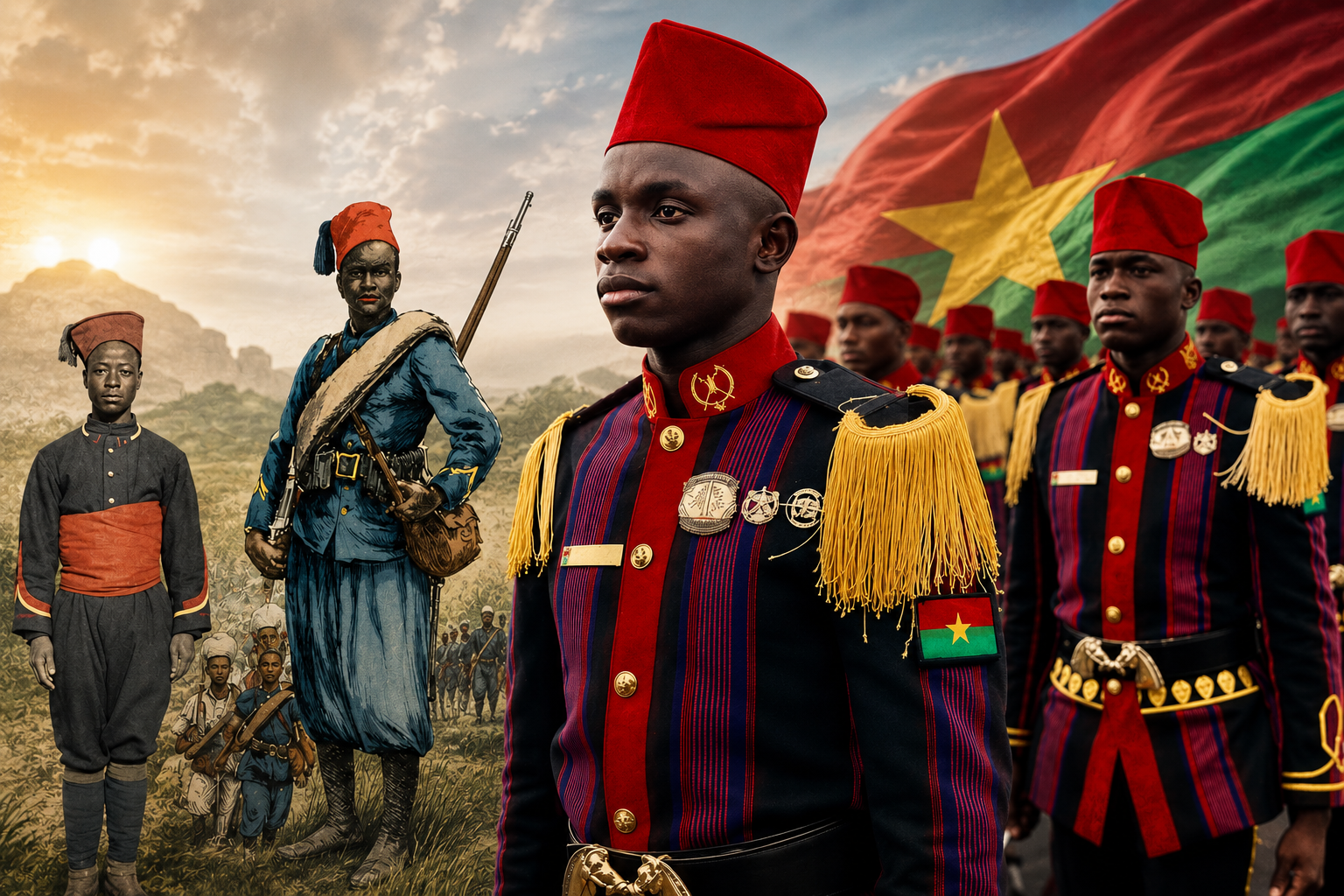
The thin line between political symbolism and harsh reality In Burkina Faso, the line separating political posturing from ground-level realities grows increasingly blurred. The military junta’s recent introduction of a ‘commemorative attire’ for national independence milestones epitomizes this trend. Marketed as a hallmark of regained sovereignty and national pride, the initiative aligns with a broader push to emphasize cultural identity. Yet it simultaneously thrusts into sharp focus a pressing question: what should take precedence in a nation grappling with an unprecedented security meltdown? A bold sovereignist gamble It would be shortsighted to dismiss the political capital still wielded by Captain Ibrahim Traoré, both within Burkina Faso and across segments of West African opinion....
Niger’s three-year isolation leaves citizens grappling with hardship
Chronicle, News, Top Stories

Niger’s three-year isolation leaves citizens grappling with hardship

For three years, Niger has been mired in a deepening crisis under the rule of a military junta that seized power in July 2023. Initially framed as a historic turning point to restore national sovereignty, the coup was also supposed to stabilize security, revive the economy, and foster national unity. Yet, as the anniversary of the takeover approaches, these ambitious goals remain largely unmet, leaving the country’s citizens to navigate worsening hardships. Economic strain and escalating daily struggles The junta’s early months were marked by sanctions and diplomatic isolation, which disrupted trade with neighboring countries and discouraged foreign investment. The ripple effects have been severe: businesses have scaled back operations or shut down entirely, job opportunities have dwindle...
Bénin tightens enforcement of minimum wage to protect workers’ rights
Analysis, Chronicle, News

Bénin tightens enforcement of minimum wage to protect workers’ rights

The Bénin Government has intensified its stance against businesses failing to comply with the national minimum wage, currently set at 52,000 FCFA. Despite legal obligations, numerous employers, particularly in small and informal sectors, persist in paying employees below this threshold, prompting authorities to urge workers to report violations to the National Social Security Fund (CNSS) and warning of severe penalties for non-compliant businesses. Wage violations persist despite legal framework Non-compliance with the guaranteed minimum wage remains widespread across Bénin. Even after the government raised the SMIG to 52,000 FCFA to bolster purchasing power for low-income workers, many employees—especially in micro-enterprises, small businesses, and informal sectors—continue to receive s...
Burkina Faso’s digital repression under Ibrahim Traoré’s regime
Analysis, Chronicle, News, Top Stories

Burkina Faso’s digital repression under Ibrahim Traoré’s regime

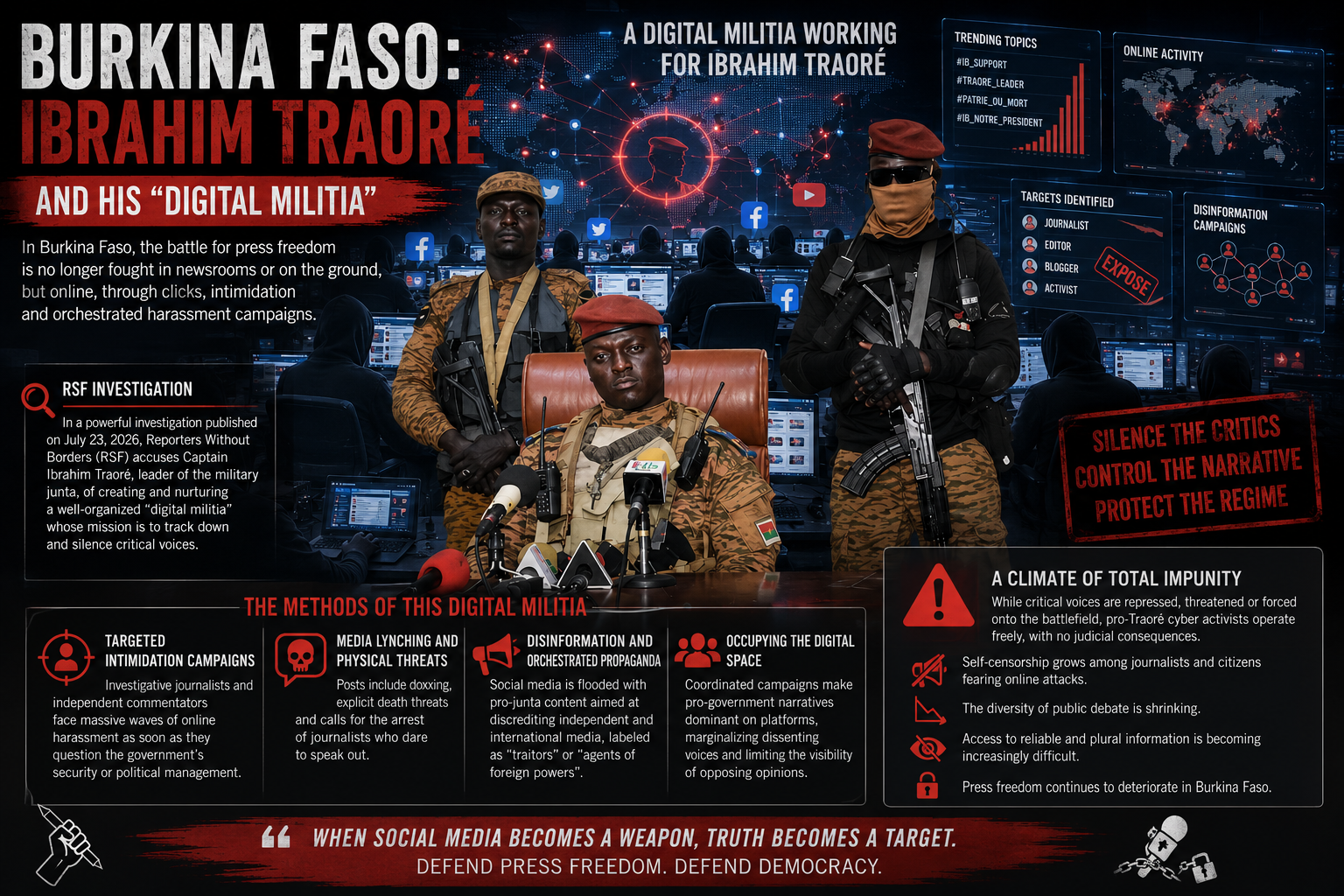
Cyber warfare as a tool of political control The struggle for press freedom in Burkina Faso has shifted from newsrooms and streets to the digital battlefield, where dissent is silenced not with bullets, but with coordinated online campaigns. A recent investigation reveals how Captain Ibrahim Traoré, the military junta leader, has allegedly mobilized a sophisticated digital militia to suppress critical voices across social media platforms. Structured intimidation: the rise of the BIR-C At the core of this strategy lies the Bataillons d'Intervention Rapide de la Communication (BIR-C), a network of cyberactivists operating under a name reminiscent of elite military units. Unlike traditional dissent management, these operatives deploy tactics designed to dominate the digital public sphere and...
Niamey faces soaring vegetable prices amid failed agricultural planning
Chronicle

Niamey faces soaring vegetable prices amid failed agricultural planning

Niamey’s vegetable crisis: a cycle of price surges and missed opportunities In the bustling markets of Niamey, the cost of essential vegetables like tomatoes and cabbage has skyrocketed, pushing household budgets to the brink. The culprit isn’t the weather—it’s decades of neglect in agricultural strategy and government inaction. As the dry season gives way to the rainy season each year, Niger finds itself trapped in a predictable yet avoidable cycle of scarcity and inflated prices. The problem stems from a glaring lack of foresight. While Niger exports surplus produce during the dry months, the country becomes dangerously reliant on imports from neighboring countries like Bénin, Nigeria, and Ghana when local harvests dwindle. This dependence isn’t due to inevitable seasonal shifts but ra...
Burkina Faso: the perilous path of Ibrahim Traoré’s solitary leadership
Analysis, Chronicle, News

Burkina Faso: the perilous path of Ibrahim Traoré’s solitary leadership

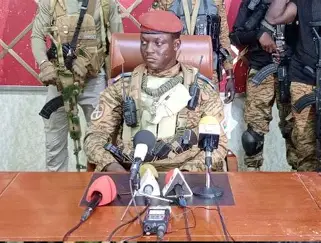
One of the oldest pitfalls in the annals of warfare and military coups is the tendency for newly installed leaders to mistake the potency of rhetoric for the realities of governance. This misconception often leads them to misinterpret the silence of a population—whether born of fear, uncertainty, or coercion—as unconditional endorsement. In Burkina Faso, this pattern appears increasingly evident. Beneath the carefully staged public appearances, the meticulously polished uniforms, and the repetitive denunciations of the so-called « treacherous West » alongside warnings against « anti-revolutionary » behavior, a different narrative is unfolding. The once-confident image of leadership is gradually giving way to one of a regime grappling with escalating internal fissures. The captain Ibrahim...
Burkina Faso’s military junta struggles with internal cohesion amid rising tensions
Chronicle

Burkina Faso’s military junta struggles with internal cohesion amid rising tensions

The recent remarks by Captain Ibrahim Traoré in Ouahigouya have laid bare a deep structural fracture within Burkina Faso’s governing junta. His unvarnished threats—relying on crude language and an uncompromising tone—betray a fundamental crisis of confidence within the military establishment. In politics and warfare, resorting to fear as a primary tool is not a sign of strength but a glaring indicator of systemic fragility. By openly vowing to suppress dissent within its own ranks, the regime tacitly admits that its cohesion no longer stems from shared doctrine or strategy but solely from the dread of elimination. Unraveling the paradox of centralized power Traoré’s approach creates a precarious balance between asserting absolute control and exposing his administration to heightened risks...
Can 2032 bid raises questions as Burkina Faso, Mali and Niger grapple with insecurity
Analysis, Chronicle, News, Top Stories

Can 2032 bid raises questions as Burkina Faso, Mali and Niger grapple with insecurity

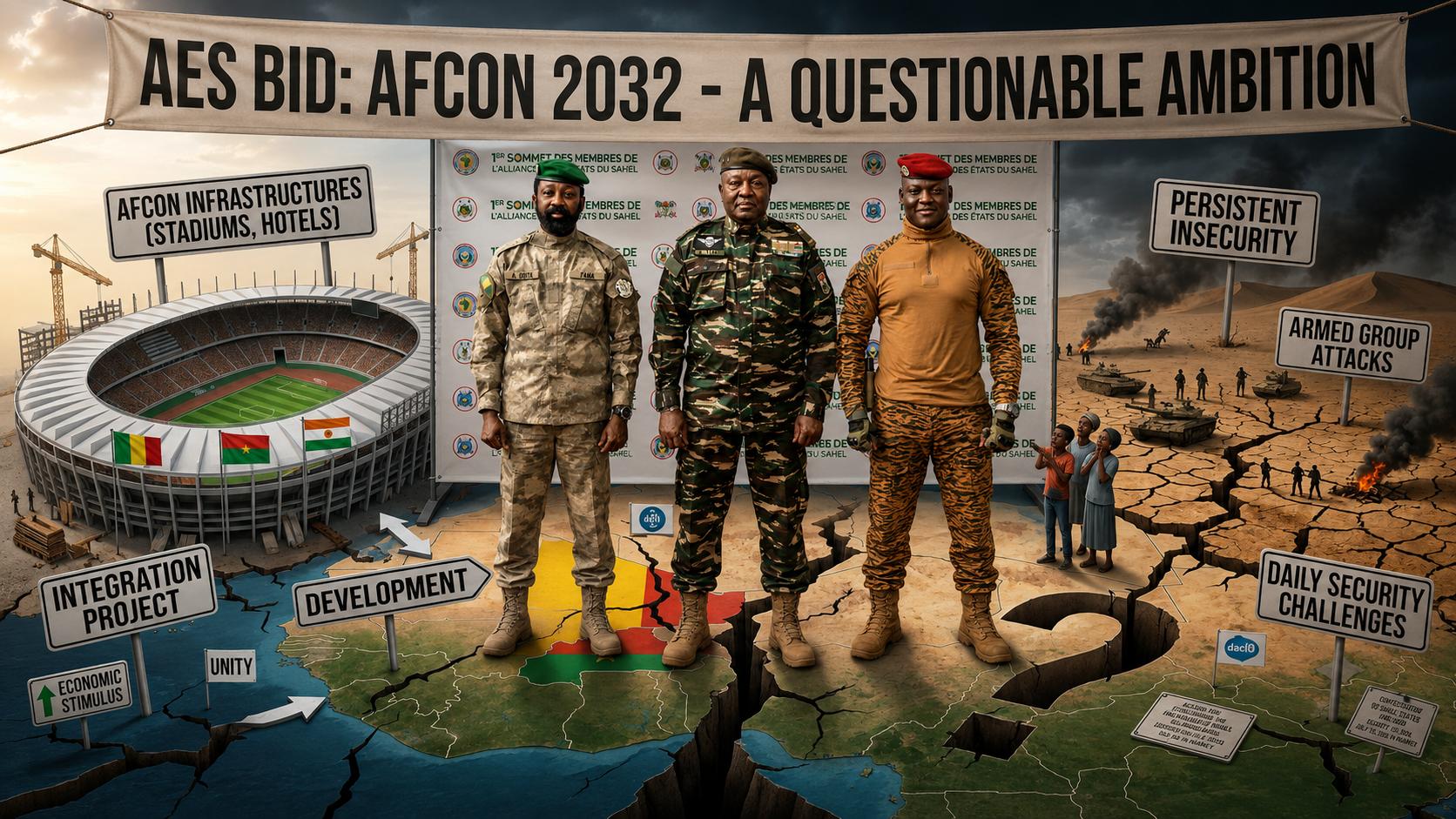
The governments of Burkina Faso, Mali, and Niger have jointly submitted a bid to host the 2032 Africa Cup of Nations (AFCON), positioning their candidacy as a testament to regional solidarity under the Alliance of Sahel States (AES). While the move is framed as a unifying gesture for West Africa, it has sparked a critical debate: can these nations, currently battling deep-rooted security crises, meet the stringent requirements of organizing Africa’s premier football tournament? security remains the elephant in the room The bid’s timing is particularly contentious. Since military-led administrations took power in all three countries following coups, restoring stability has been their stated top priority. Yet, despite these pledges, armed groups continue to inflict heavy tolls on civilians,...
Burkina Faso: Ibrahim Traoré’s rise to power and the erosion of democratic norms
Analysis, Chronicle, News

Burkina Faso: Ibrahim Traoré’s rise to power and the erosion of democratic norms

The recent declarations by Captain Ibrahim Traoré, Burkina Faso’s transitional leader, have intensified discussions surrounding the legitimacy of his ascent to power and the broader political trajectory of the nation since the September 2022 coup d'état. Far from ambiguous, his words underscore a deliberate embrace of a non-constitutional transfer of authority, framing this rupture as a new political paradigm rather than an anomaly. From ballots to bullets: a troubling precedent Captain Traoré’s ascent to power did not follow the conventional path of electoral legitimacy. His rise was precipitated by a military takeover that ousted Lieutenant-Colonel Paul-Henri Sandaogo Damiba, who himself had seized control in a prior coup against President Roch Marc Christian Kaboré. This chain of unco...
Togo’s unanswered questions about foreign military presence
Analysis, Chronicle, News

Togo’s unanswered questions about foreign military presence

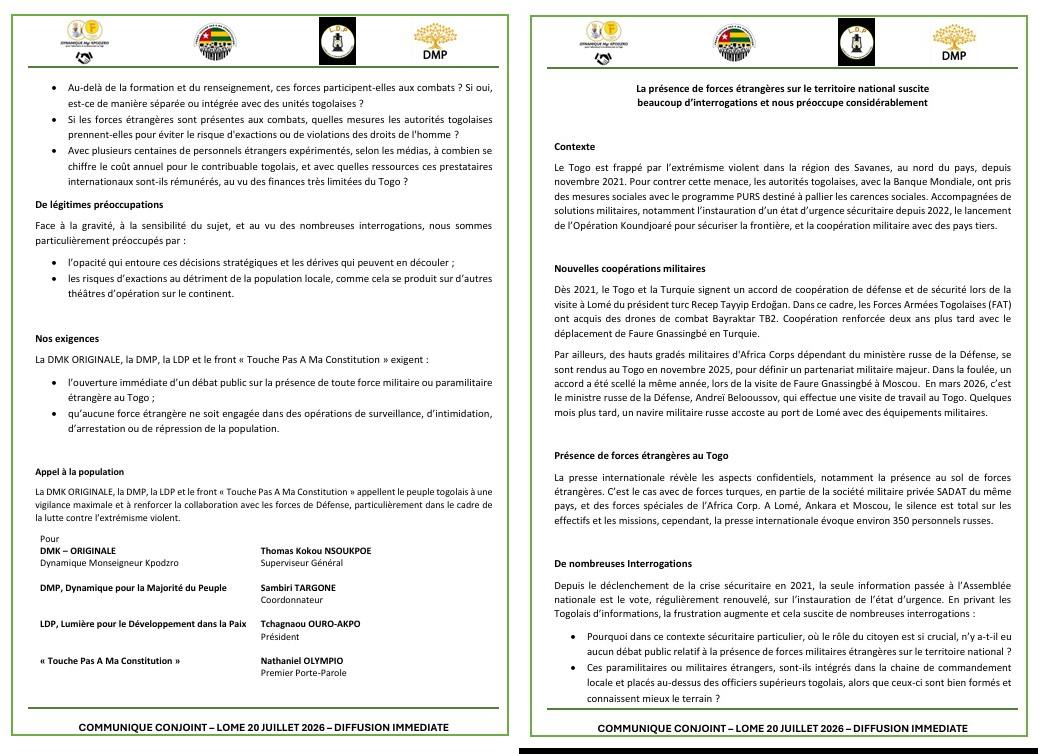
The secrecy surrounding national defense matters is a common practice in most democratic nations. Military operations, intelligence activities, and strategic partnerships are often shielded from public view. However, when secrecy becomes the norm rather than the exception, it risks breeding doubt rather than fostering trust. Unverified claims and growing suspicions In Togo, reports—though unverified—have emerged regarding the presence of foreign military personnel on national soil. Observers suggest that personnel from Russia and Turkey may be involved, though no official confirmation has been provided. If these claims hold merit, they raise critical questions that demand clear answers from the government. Security or self-preservation? The opacity surrounding these foreign forces has fu...
Burkina Faso’s lost security: past stability vs. present turmoil
Analysis, Chronicle, News, Top Stories

Burkina Faso’s lost security: past stability vs. present turmoil

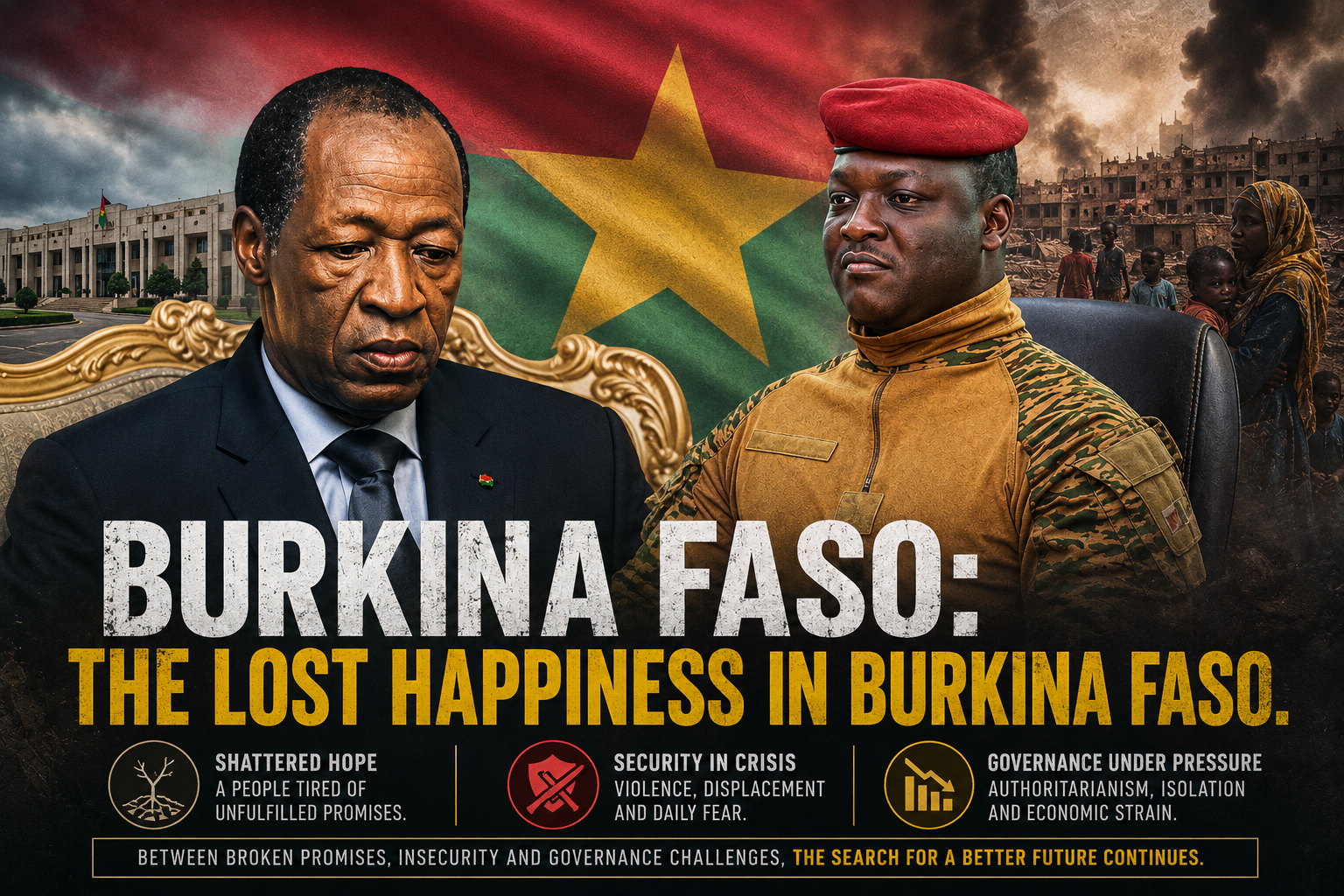
The Burkina Faso of yesterday was known more for its stability than for the crises that now define its reputation. This stability, however, was far from flawless. Blaise Compaoré faced persistent criticism for consolidating power, restricting political pluralism, and undermining democratic transitions. For nearly three decades, his regime remained a subject of contention among opposition factions and international observers alike. Yet today, a pressing question looms over the nation: what purpose does political debate serve when citizens no longer feel safe in their own homes? This dilemma weighs heavily on the minds of many Burkinabè, who reflect on the relative security of Compaoré’s era compared to the challenges under Captain Ibrahim Traoré. Security as the foundation of governance D...