Burkina Faso’s struggle for sovereignty amid escalating security crisis
The thin line between political symbolism and harsh reality
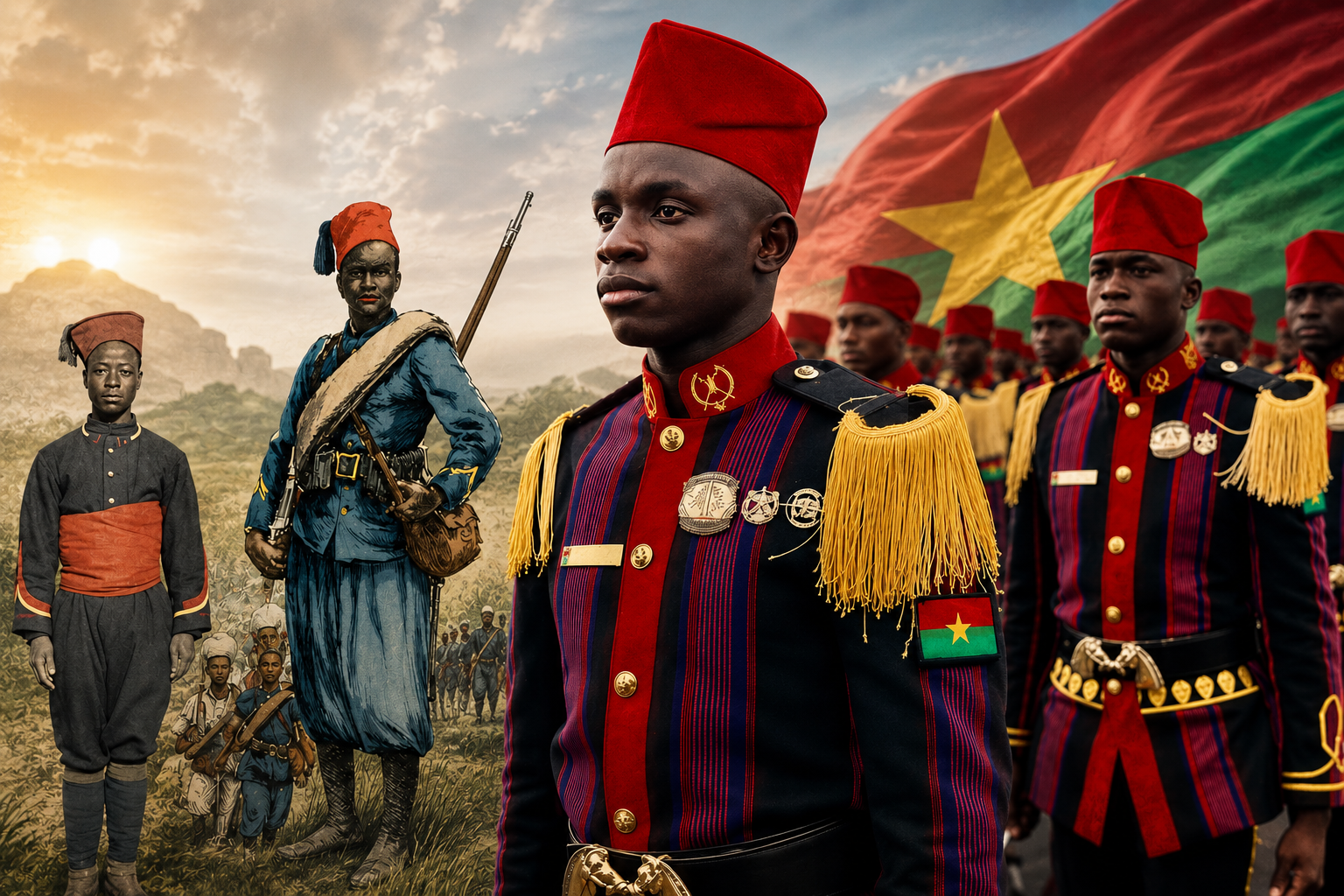
In Burkina Faso, the line separating political posturing from ground-level realities grows increasingly blurred. The military junta’s recent introduction of a ‘commemorative attire’ for national independence milestones epitomizes this trend. Marketed as a hallmark of regained sovereignty and national pride, the initiative aligns with a broader push to emphasize cultural identity. Yet it simultaneously thrusts into sharp focus a pressing question: what should take precedence in a nation grappling with an unprecedented security meltdown?
A bold sovereignist gamble
It would be shortsighted to dismiss the political capital still wielded by Captain Ibrahim Traoré, both within Burkina Faso and across segments of West African opinion. By discarding conventional international cooperation norms and adopting an unapologetically anti-imperialist stance, the transitional leader has tapped into deep-seated frustrations born of decades of failed counter-terrorism efforts.
The sovereignist rhetoric resonates deeply with many citizens who believe past security models have utterly failed to restore peace. In response, the government has rolled out a series of symbolic gestures: mandating Faso Dan Fani as the national dress code, elevating indigenous languages, rehabilitating historical resistance figures, and now establishing the commemorative attire tradition. To regime supporters, these moves are stitching back together a national identity long frayed by external interference and internal strife.
On the security front, the rapid expansion of the Volunteers for the Defense of the Homeland (Volontaires pour la défense de la patrie, or VDP) underscores a bid to rally the public behind the war effort. The stated goal is twofold: curb reliance on foreign partners and build a self-sustaining national defense capacity capable of withstanding persistent threats.
A security landscape still mired in alarm
Yet symbols, however potent, cannot substitute for tangible outcomes. Nearly four years into military rule, the security challenge remains daunting.
Vast tracts of national territory remain beyond government control. In multiple provinces, armed groups continue to strike at defense forces, civilian auxiliaries, and local populations alike. Roadside ambushes, village raids, infrastructure sabotage, and kidnappings feed a chronic climate of insecurity. The humanitarian toll is staggering: hundreds of thousands remain internally displaced, while countless towns face perpetual threats. Access to healthcare, schooling, markets, and administrative services is severely disrupted across several regions, compounding economic hardship—especially in rural areas.
The security crisis extracts a heavy economic price. A growing share of public funds is diverted to military spending, even as needs in health, education, infrastructure, and development mount. Agricultural slowdowns, shuttered artisanal mines, and logistical bottlenecks further drag on growth.
The widening gap between messaging and governance
The gulf between official narratives and citizen expectations widens daily. While authorities spotlight symbols of regained sovereignty, many Burkinabè demand concrete results: safer roads, reopening of abandoned public services, and the chance for displaced families to return home.
True sovereignty is not measured by pageantry, ceremonies, or dress codes alone. It is evidenced by the state’s ability to assert authority nationwide, safeguard civilian life, restore unhindered movement, and deliver core public functions.
Patriotic mobilization can fortify national unity, but it struggles to inspire when communities still face daily violence. As the conflict drags on, the risk grows of a widening chasm between the regime’s stated ambitions and the harsh realities faced in the countryside.
The ultimate test of transition
Burkina Faso stands at one of the most pivotal junctures in its modern history. Restoring security is the non-negotiable prerequisite for any political, economic, or social revival. Without tangible progress on this front, even the most resonant identity-driven initiatives risk losing their mobilizing power.
History will judge this military-led transition less by the reach of its slogans or the proliferation of sovereignist symbols, and more by its capacity to reclaim lost territories, protect citizens durably, and create the conditions for normalcy to return. For sovereignty, in its fullest sense, is ultimately defined not by declarations of political independence, but by a state’s proven ability to guarantee security, stability, and a shared future.