Niger’s three-year isolation leaves citizens grappling with hardship
For three years, Niger has been mired in a deepening crisis under the rule of a military junta that seized power in July 2023. Initially framed as a historic turning point to restore national sovereignty, the coup was also supposed to stabilize security, revive the economy, and foster national unity. Yet, as the anniversary of the takeover approaches, these ambitious goals remain largely unmet, leaving the country’s citizens to navigate worsening hardships.
Economic strain and escalating daily struggles
The junta’s early months were marked by sanctions and diplomatic isolation, which disrupted trade with neighboring countries and discouraged foreign investment. The ripple effects have been severe: businesses have scaled back operations or shut down entirely, job opportunities have dwindled, and essential goods—from food to fuel—have become increasingly unaffordable.
Households across Niger are feeling the pinch. Rising prices for staples and fuel have eroded purchasing power, making it harder for families to meet basic needs. Local governments, small-scale traders, and farmers face additional hurdles, including limited access to credit and financing, which stifles private initiative and economic growth.
Shrinking civic space and restricted freedoms
Beyond economic woes, human rights advocates warn of a tightening grip on civil liberties. Critics of the regime risk legal repercussions, while independent media outlets operate under heightened scrutiny. Journalists report growing intimidation and restrictions, and public protests are tightly controlled, curtailing avenues for opposition voices and civic engagement.
In response, some citizens choose silence to avoid trouble, while others opt for exile, seeking safety and opportunities elsewhere.
Security challenges persist despite military reforms
The junta justified its takeover by vowing to defeat armed groups terrorizing Niger’s regions. However, attacks attributed to these factions continue unabated, particularly in border areas. Civilians in these zones face relentless violence, forced displacement, and restricted access to healthcare, education, and livelihoods.
These ongoing threats raise serious questions about the effectiveness of the regime’s security strategy over the past three years.
Official rhetoric fails to address mounting concerns
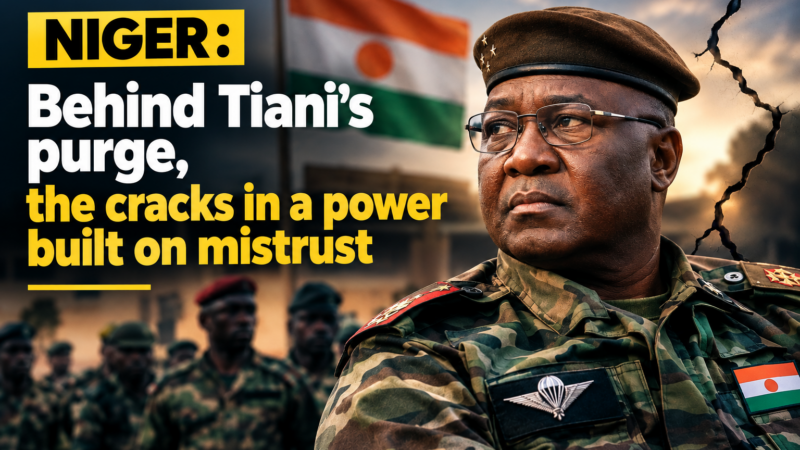
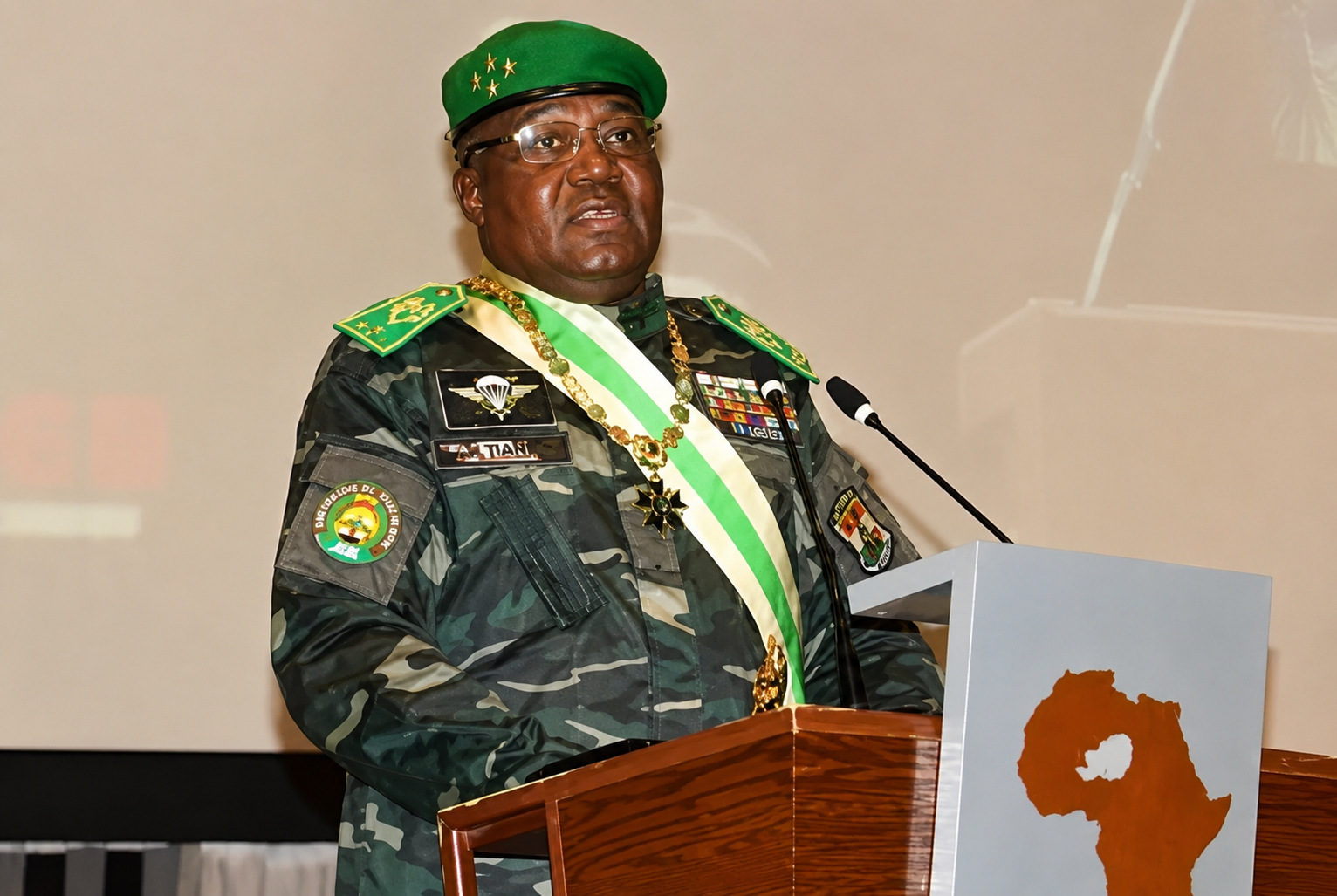
In a recent televised address, General Abdourahamane Tiani reiterated familiar themes, emphasizing external threats rather than outlining concrete steps to improve security or the economy. Observers note that such messaging reflects the junta’s struggle to deliver on its original promises of stability and progress.
As frustrations grow, public skepticism is shifting from blaming external forces to demanding tangible solutions from the leadership.
Political stagnation deepens institutional uncertainty
The absence of a clear roadmap for transitioning back to civilian rule has fueled uncertainty about Niger’s political future. Political parties operate under severe constraints, and public debate remains stifled. The concentration of power in military hands has heightened fears of a prolonged departure from democratic norms and reduced citizen participation.
A moment of reckoning for Niger’s future
Three years into the junta’s rule, the gap between expectations and reality has widened. The economy remains fragile, living costs continue to climb, civic freedoms are eroding, and insecurity lingers in many regions. For countless Nigeriens, the priority is no longer political rhetoric but tangible improvements: stable livelihoods, reliable security, and economic prospects that offer hope for a better tomorrow.
Amid these challenges, calls for accountability, dialogue, and concrete action to address public concerns are growing louder.