How Senegal’s sufis shape today’s political discourse
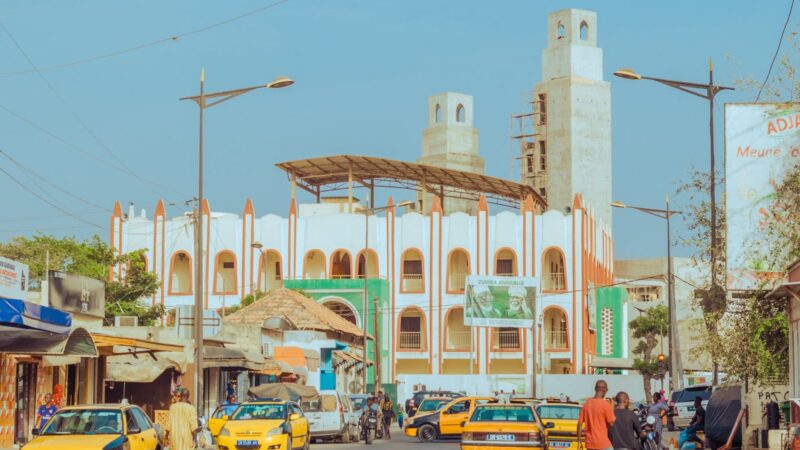
Religious devotion meets political ambition in Senegal
The interplay between faith and governance in Senegal reveals a unique dynamic where Sufi brotherhoods wield significant influence over national politics. As the country maintains its secular foundation, the historical legacy of these religious leaders has resurfaced as a powerful political tool, particularly among sovereignist movements seeking to redefine Senegalese identity.
Political leaders invoke spiritual heritage
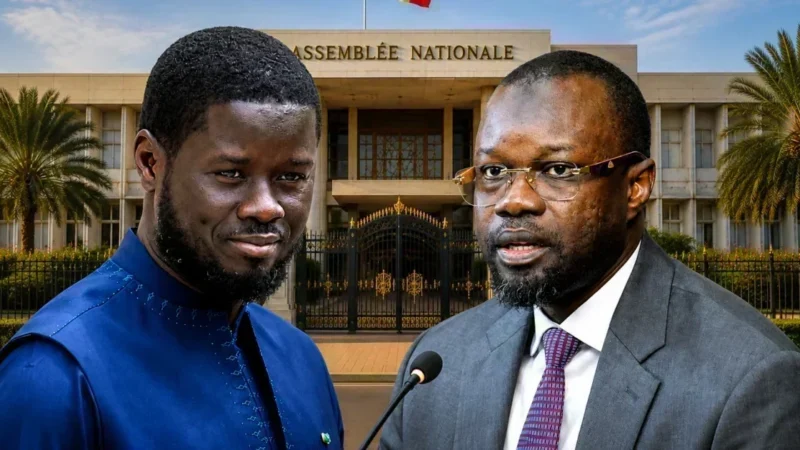
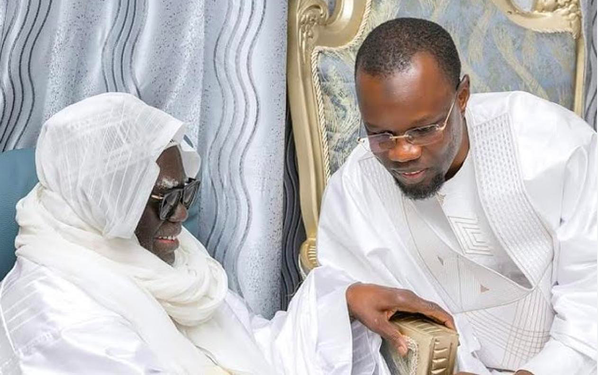
The current political climate in Senegal sees leaders from opposing factions converging around a shared narrative centered on indigenous development models. President Bassirou Diomaye Faye and Assembly President Ousmane Sonko, despite their political differences, both recognize the strategic importance of aligning with religious authorities. Their recent visits to Touba to meet with Serigne Mountakha Mbacké, the supreme leader of the Mouride brotherhood, underscore this alignment.
Sonko’s public embrace of the Mouride tradition represents more than a political gesture; it signifies an ideological shift. By drawing parallels between his policies and those of Cheikh Ahmadou Bamba, founder of the Mouride brotherhood and a symbol of peaceful resistance against French colonial rule, Sonko positions himself as a champion of economic and spiritual sovereignty. Bamba’s refusal of French funding to maintain the autonomy of Muslim communities serves as a model for current sovereignist discourse.
From spiritual guides to political icons
The revival of these historical figures extends beyond the Mouride brotherhood. Intellectuals and activists are reassessing the legacies of El Hadj Oumar Tall (Tijaniyya leader) and Thierno Souleymane Baal (founder of an 18th-century theocratic state), presenting them as foundational pillars of a distinctly African development model. This reinterpretation serves the sovereignist agenda, though it occasionally overshadows the complex historical realities of these figures.
While some religious leaders collaborated with colonial powers—most notably through the recruitment of tirailleurs—the younger generation appears increasingly willing to acknowledge these contradictions while emphasizing the anticolonial aspects of their legacies. Mamadou Fall, editor of the upcoming General History of Senegal, advocates for a balanced portrayal in educational materials, noting that historical figures like Bamba are simultaneously revered as spiritual leaders and, in some regions, remembered as « violent conquerors ».
Cheikh Gueye, a Mouride researcher and disciple, explains this phenomenon as a deliberate intellectual movement: « More Senegalese are rediscovering the anticolonial dimensions of their religious heritage, using these figures as political inspiration without necessarily deifying them. »
Navigating historical complexities
This reinterpretation of religious history serves multiple political purposes. For sovereignist movements like Frapp, these figures provide a narrative of resistance against foreign influence, while for the state, they offer a unifying symbol of national identity. However, the selective emphasis on anticolonial achievements risks oversimplifying complex histories where collaboration and resistance coexisted.
The current political landscape in Senegal demonstrates how religious institutions continue to shape governance, with Sufi brotherhoods remaining « one of the nation’s cohesive forces » amid institutional crises. As the country navigates its post-colonial identity, the interplay between faith and politics evolves, revealing both the enduring influence of spiritual leaders and the contested nature of historical memory.