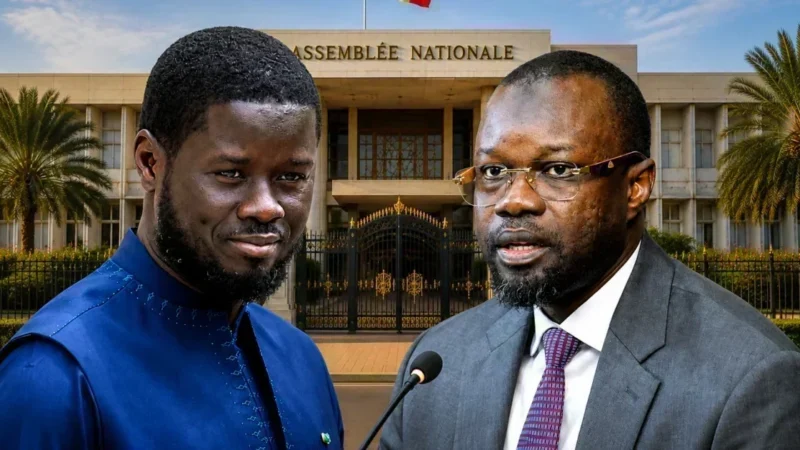

Senegal’s political landscape is witnessing a delicate balancing act as President Bassirou Diomaye Faye navigates the complexities of governance alongside influential opposition leader Ousmane Sonko. The strategy underpinning this dynamic duo is drawing widespread attention, with analysts dissecting every move.
Decoding the alliance between Faye and Sonko
The partnership between Bassirou Diomaye Faye and Ousmane Sonko has redefined Senegal’s political narrative. Kiiraay – Les Patriotes républicains, Sonko’s party, stands as a pivotal force in this collaboration, shaping policies and public discourse. Observers highlight how this alliance blends ideological differences into a cohesive governance approach.
The pillars of Faye’s strategic vision
President Faye’s strategy rests on three core pillars: institutional reform, economic revitalization, and social cohesion. Each pillar addresses critical challenges facing the nation, from judicial independence to youth employment and regional disparities.
- Institutional reform: A commitment to transparency and accountability has led to sweeping changes in how government institutions operate, aiming to rebuild public trust.
- Economic revitalization: Targeted policies focus on diversifying the economy, reducing reliance on imports, and fostering local industries to create sustainable growth.
- Social cohesion: Initiatives prioritize inclusive development, ensuring marginalized communities have a voice in shaping the nation’s future.
Sonko’s role in shaping policy and public perception
Ousmane Sonko’s influence extends beyond opposition politics. His party’s collaboration with the government has introduced a new era of policy debates, where constructive criticism and shared objectives converge. This synergy has allowed Sonko to position himself as both a watchdog and a partner in governance.
Key policy areas of collaboration
The collaboration between Faye and Sonko has led to significant advancements in several key areas:
- Judicial independence: Reforms aimed at depoliticizing the judiciary have been a cornerstone of their joint efforts.
- Youth empowerment: Programs targeting education and vocational training seek to address unemployment and equip young Senegalese with skills for the future.
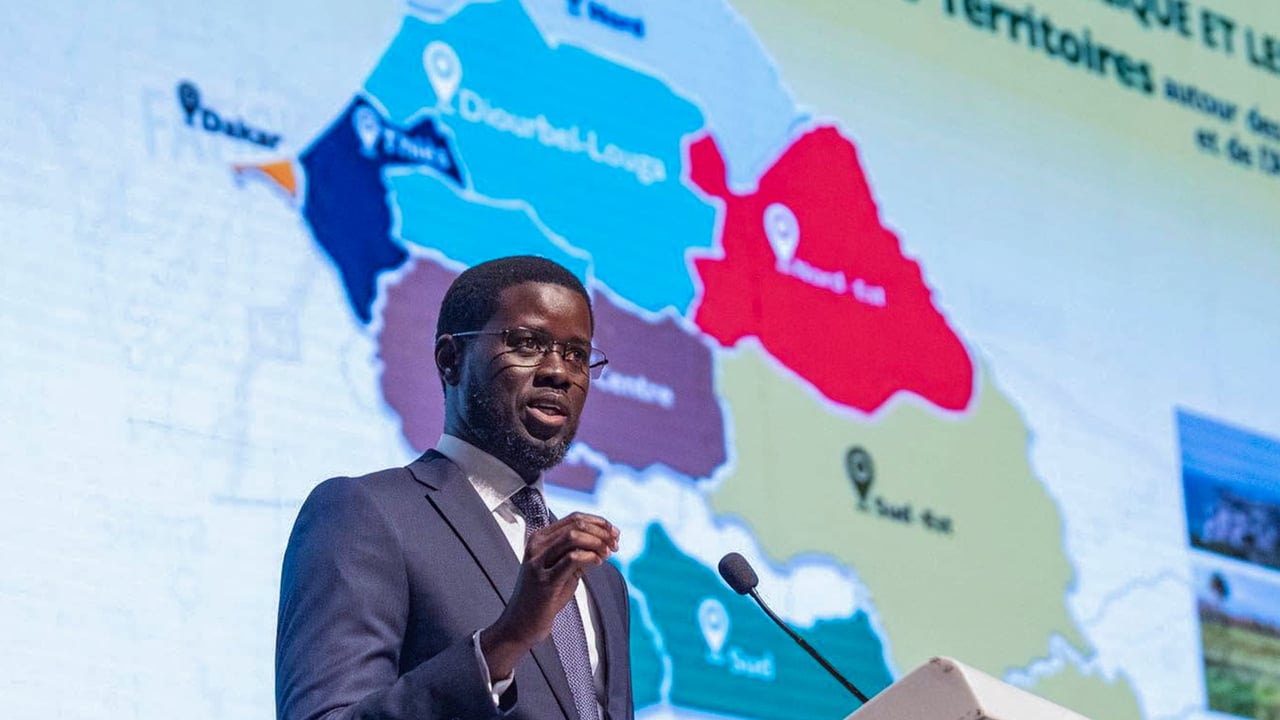
- Regional development: Policies designed to bridge gaps between urban and rural areas ensure balanced growth across the country.
Public reaction and political implications
The Faye-Sonko alliance has elicited mixed reactions from the public. While some praise the collaborative approach as a step toward stability, others remain skeptical, questioning the long-term sustainability of this partnership. Political analysts underscore the need for tangible results to solidify public confidence.
Challenges and opportunities ahead
Despite progress, challenges loom large. Economic pressures, regional instability, and internal political tensions pose risks to the alliance. Yet, the opportunity to redefine Senegal’s governance model presents a historic chance to break from past failures and build a resilient future.
The coming months will be critical in determining whether this strategic partnership can weather the storms of skepticism and deliver on its promises.