Burkina Faso’s parliament prepares to scrutinize religious freedom legislation
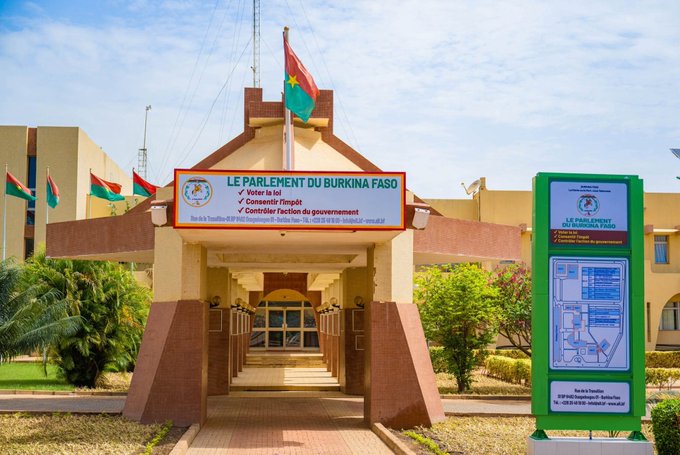
The draft legislation concerning religious freedom, endorsed by the Council of Ministers on March 19, is poised for a critical examination. Burkina Faso’s Legislative Assembly of the People (ALP) is scheduled to review the proposed text this Saturday, June 20, 2026, as confirmed by the national representation.
In a nation historically celebrated for its religious pluralism and exemplary peaceful coexistence, this legislative initiative has generated both considerable anticipation and pertinent questions. Beyond the individual articles, the bill encompasses crucial decisions that will shape the future of secularism and social cohesion, particularly within the current climate of escalating security threats.
Arguments supporting the bill: regulation for protection
Proponents of the text, including the transitional government, assert that this legislative update has become indispensable for several compelling reasons:
- Countering extremism: Amidst the ongoing security crisis, the state seeks to equip itself with clear legal instruments to combat hate speech, radical indoctrination, and the exploitation of religion for destabilizing purposes.
- Regulating the financing and establishment of places of worship: A primary justification centers on the imperative for transparency. The bill aims to clarify the origins of funds supporting various religious associations and to standardize the regulations governing the opening of places of prayer, thereby preventing disorder.
- Ensuring universal equality: The proposed law reaffirms the principle of state neutrality. Its objective is to guarantee that no community, whether majority or minority, perceives itself as marginalized or unduly privileged by public institutions.
Points of caution: safeguarding fundamental liberties
Conversely, civil society organizations and certain faith leaders have urged caution regarding the examination of this text. The parliamentary debate this Saturday at the ALP will need to address several key concerns:
- Risk of state overreach: Some observers fear that excessively stringent regulation could evolve into political control over religious beliefs and the freedom of expression afforded to spiritual leaders.
- Sensitivity of the social fabric: In an already tense environment, modifying the religious framework is a delicate undertaking. Analysts emphasize that any law must emerge from an inclusive consensus to avoid undermining national unity.
The central challenge for this Saturday’s parliamentary session will therefore be to strike a precise balance: empowering the state to safeguard the nation against dogmatic excesses, while scrupulously upholding the freedom of conscience for every Burkinabè citizen. The votes and proposed amendments from the transitional parliament’s deputies will be closely monitored by the entire public.