Senegal struggles to draw foreign investments despite economic potential
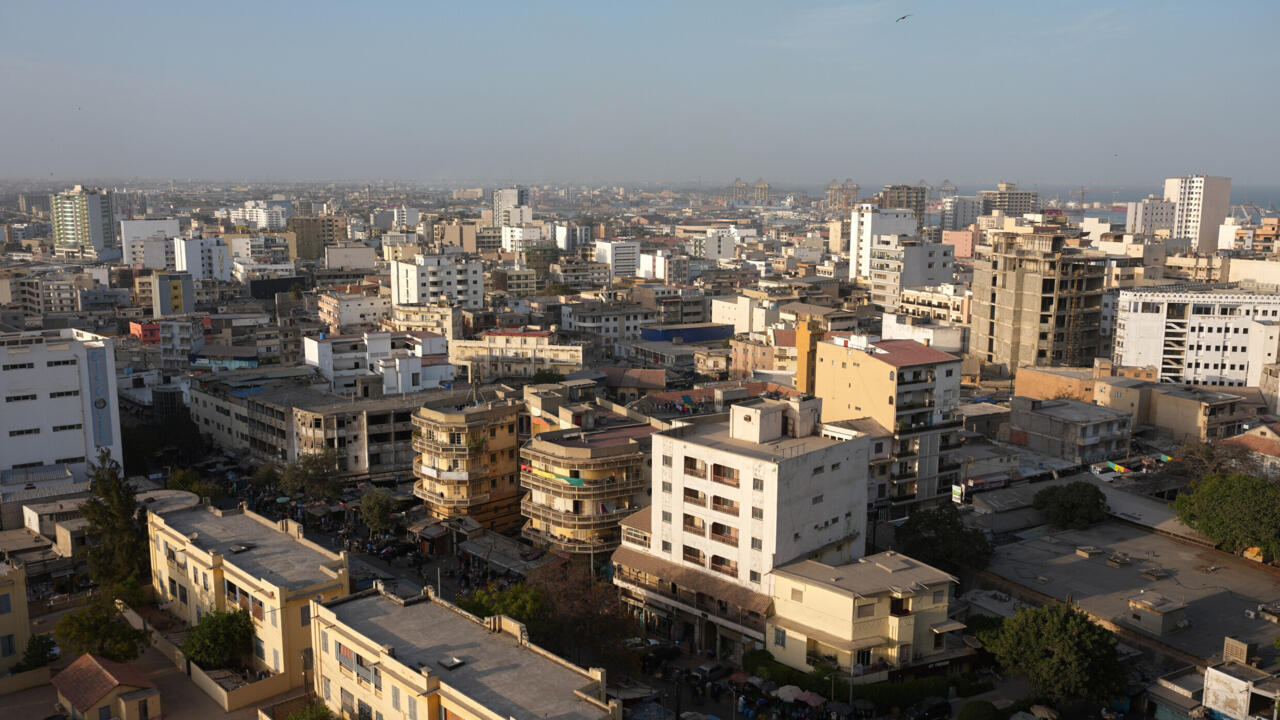
Senegal’s economic allure fades as foreign investments plummet
The economic landscape of Senegal has taken a sharp downturn, with foreign direct investments (FDI) collapsing to just $37 million in 2025—a dramatic drop from the robust $3 billion annual average seen over the past four years. This stark decline, highlighted in the latest United Nations Conference on Trade and Development (UNCTAD) report, raises pressing questions about the country’s future economic trajectory.
Understanding the investment drought
While the initial surge in foreign investments was driven by major oil and gas projects like Sangomar and Grand Tortue, most of these initiatives have now reached their operational phases. The lull reflects a natural transition rather than a long-term trend, but it underscores a deeper challenge: the country’s inability to sustain high investment inflows beyond extractive sectors.
Moubarak Lo, former economic advisor to the Prime Minister and now a private consultant, emphasizes this structural gap: “Senegal has the potential to consistently attract $3 to $5 billion annually in foreign investments, but this requires aggressive economic promotion. The country lacks a robust international investment promotion network, unlike its peers. While roadshows are conducted, they fall short of proactive engagement. The country excels in attracting portfolio investments like government bonds but struggles with direct investments—this mindset shift is essential.”
Debt concerns overshadowed by lack of clarity
The country’s staggering public debt—estimated at 132% of GDP by the end of 2024 according to IMF data—might appear daunting on paper. Yet, as experts point out, this burden doesn’t deter private investors. Justin Maria, Director of Access Bank in France, draws a parallel with France, which continues to attract private capital despite a public debt exceeding €3.5 trillion.
He identifies the real deterrent as uncertainty: “Senegal is now perceived as a high-risk destination—not because of long-term fundamentals, which remain strong, but due to the absence of clear visibility into public finances and liquidity conditions. This opacity is what truly unsettles investors.”
Path to recovery: strategic initiatives needed
Moubarak Lo dismisses the “high-risk” label, asserting that Senegal can swiftly regain its appeal. He points to a pipeline of over 20 major projects, advocating a targeted approach: “The strategy is simple: identify the top five or six global enterprises for each project and actively persuade one of them to invest. With focused efforts, the country could see a rebound as early as this year, or more likely by 2027.”
Meanwhile, neighboring countries like Guinea have bucked the trend, securing over $7.7 billion in FDI in 2025, according to UNCTAD data. This disparity highlights the urgent need for Senegal to refine its investment attraction strategies to compete effectively in the region.
The message is clear: while the current investment slump is a temporary setback, reversing it demands bold, proactive measures to restore confidence and clarity in the economic environment.