S&P keeps Cameroon’s B- sovereign rating stable amid transition fears
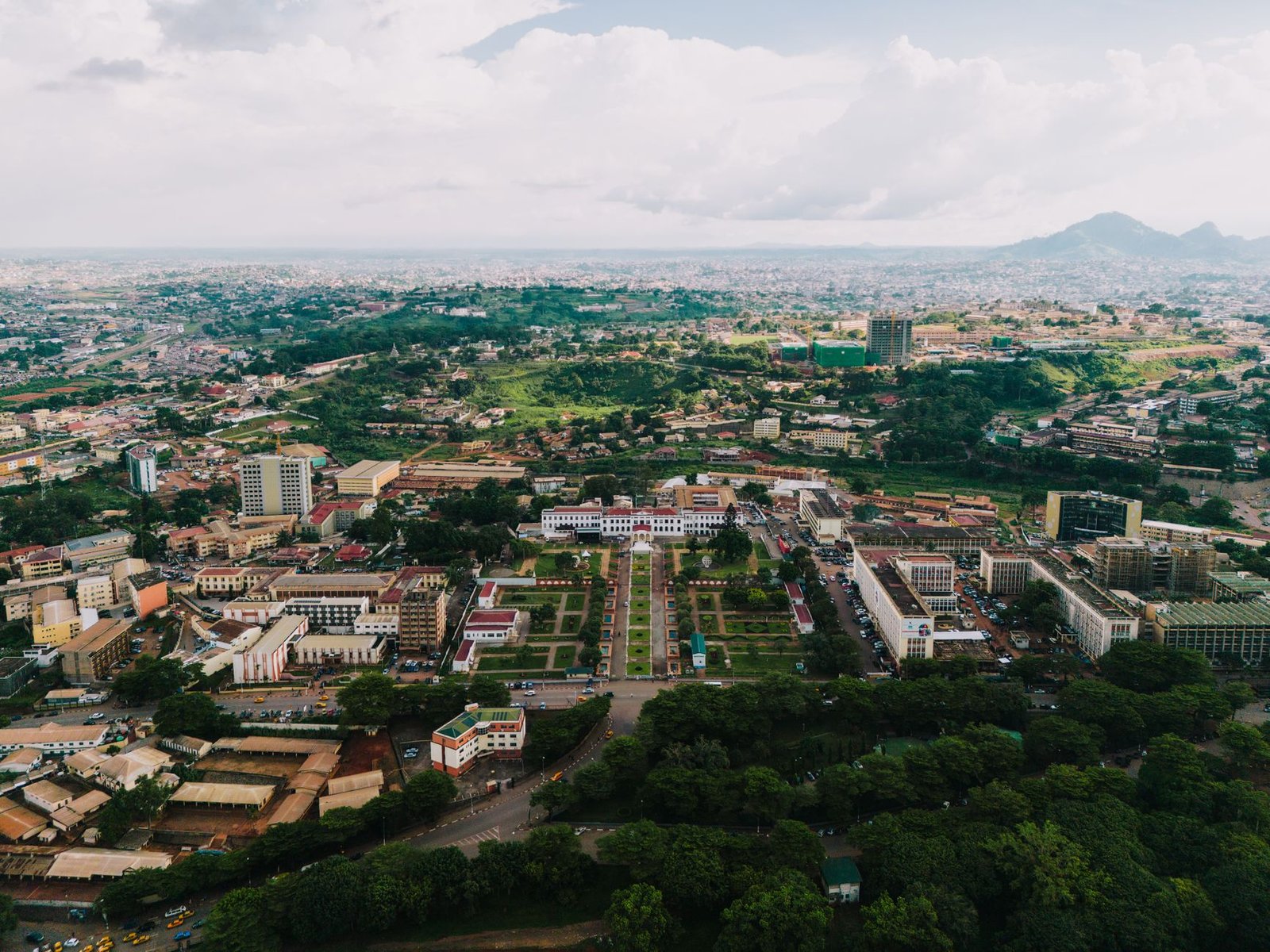
Standard & Poor’s (S&P) has maintained Cameroon’s sovereign credit rating at « B-/B » with a stable outlook, a decision that, while appearing reassuring, places the country’s political transition in Yaoundé at the center of market concerns. Announced in mid-September, the ruling arrives at a pivotal moment when the long-taboo issue of presidential succession becomes a key factor in assessing the country’s risk profile. For investors and multilateral partners alike, the rating’s stability signals less a vote of confidence than a veiled warning.
Rating holds steady but carries a sharp political warning
By extending the « B-/B » rating, S&P acknowledges Cameroon’s adherence to the fiscal path agreed with the International Monetary Fund (IMF) while highlighting the economy’s deep structural weaknesses. The rating remains firmly entrenched in the speculative category, five notches below « investment grade, » a tier that reflects a repayment capacity highly vulnerable to shocks. Analysts emphasize a public debt burden that continues to strain revenue streams, compounded by budgetary execution marred by volatile hydrocarbon prices.
The agency underscores political uncertainties that could derail progress. The country now faces a sensitive electoral period, with the presidential vote poised to determine whether the decades-old regime persists or faces change. This context amplifies the risk premium demanded by markets, especially as the broader Sahel region grapples with instability and tighter financing conditions for African issuers.
Presidential succession emerges as top risk factor
The crux of the matter lies in the transition process at the highest level of government. S&P warns that the election outcome—and more broadly, post-Biya governance—will shape Cameroon’s macroeconomic stability in the coming years. A smooth institutional handover could safeguard relations with creditors, starting with the IMF, whose program underpins structural reforms. Conversely, political gridlock, post-election unrest, or an unplanned leadership vacuum would risk capital flight and a swift downgrade of Cameroon’s credit rating.
As the largest economy in the Central African Economic and Monetary Community (CEMAC), Cameroon’s fiscal health sets the tone for the region. Its rating directly influences borrowing costs for peers like Gabon and the Republic of the Congo. A sovereign downgrade would trigger immediate contagion effects on the Bank of Central African States (BEAC) and the region’s shared foreign reserves, already strained by member states’ external refinancing needs.
Budget reforms and lingering vulnerabilities
Macroeconomic efforts, such as rationalizing fuel subsidies, expanding the tax base, and capping wage bills, have stabilized the budget deficit at levels deemed sustainable—albeit within the parameters of the IMF’s policy framework. Yet non-oil revenue mobilization remains critically low, hovering around 12-13% of GDP, well below peers. The country’s dependence on hydrocarbons further weakens external balances, with oil production in structural decline and import needs—particularly for food and energy—remaining high.
Annual external debt service, estimated in the hundreds of billions of CFA francs, consumes an increasing share of public resources, limiting fiscal space for long-term investments. Multilateral lenders are also scrutinizing the implementation of IMF governance recommendations, particularly for state-owned enterprises in oil and electricity sectors. Restructuring entities like the National Hydrocarbons Company (SNH) and Camair-Co is vital for restoring confidence in the fiscal trajectory promised by 2027.
Investors and creditors weigh the dual signals
For fund managers exposed to sub-Saharan debt, S&P’s message is twofold. The stable rating could pave the way for new eurobond issuances or private placements, contingent on favorable market conditions. Yet the explicit mention of political risk demands caution as the election looms—a milestone that will redefine the region’s power dynamics. Western diplomats and Gulf investors, increasingly active in African infrastructure financing, are watching closely.
The agency has tied its stable outlook directly to the authorities’ ability to ensure an orderly transition, a prerequisite for maintaining access to global capital markets.