Savers into shareholders: Cotonou’s push to fund UEMOA growth
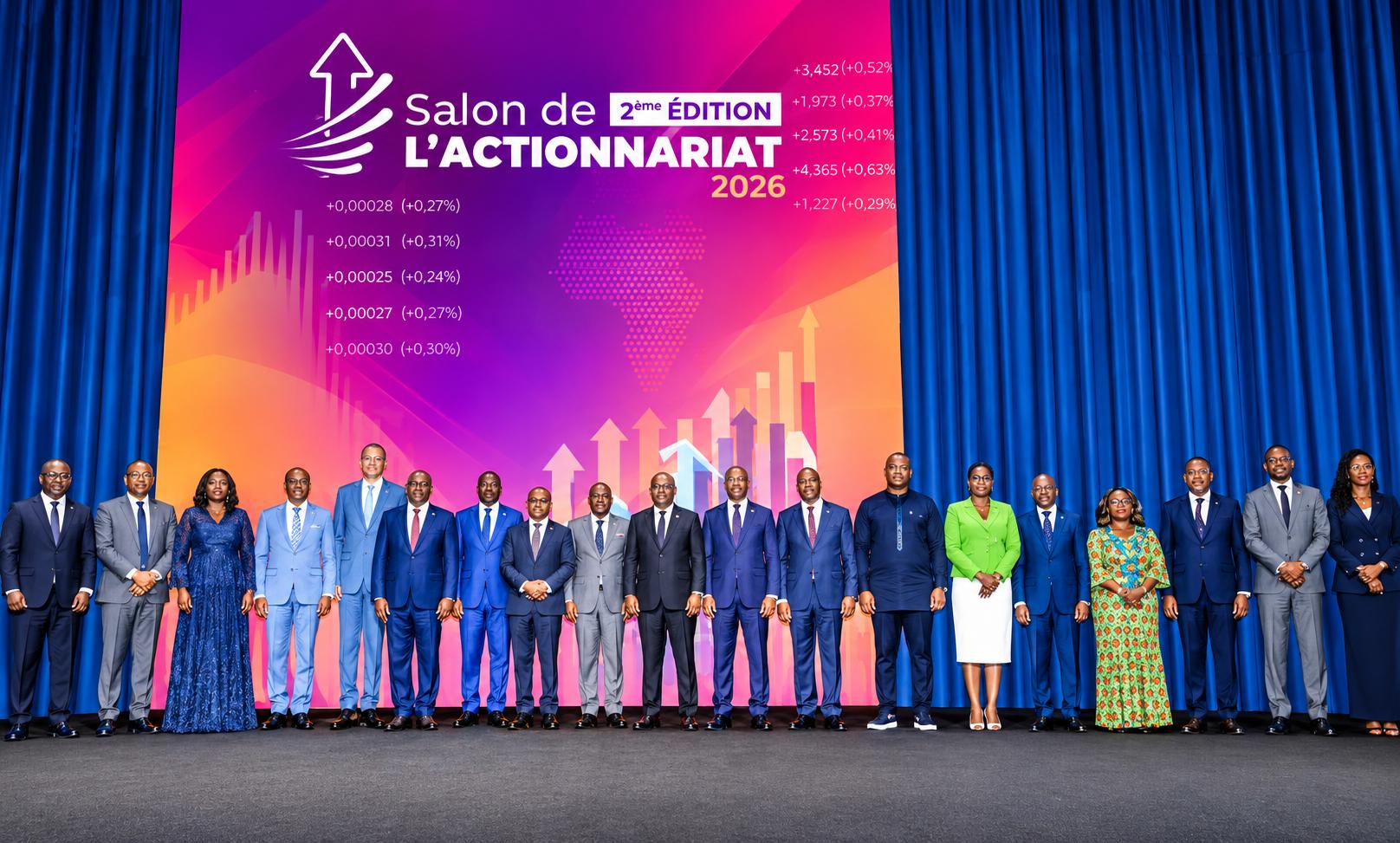
Cotonou hosted the second edition of the regional shareholding forum on 17 and 18 September 2026, and the message delivered over those two days was blunt: West African economies will keep leaning on outside capital unless the region’s own savings are finally put to work.
The gathering, co-organised by UCA SGI and Dimensions GROUP, drew institutional players, company executives and market specialists from across the West African Economic and Monetary Union (UEMOA). Its theme framed the whole discussion: shareholding and financial sovereignty, mobilising savings to accelerate economic transformation.
Why Cotonou placed domestic savings at the heart of the agenda
Development financing remains the region’s biggest bottleneck. Faced with heavy gaps in funding and a persistent reliance on capital raised far beyond the sub-region, participants treated the mobilisation of local resources as a strategic priority rather than a technical afterthought.
The stakes are straightforward. Money held by households and businesses inside UEMOA, if channelled into productive equity, could give small and medium-sized enterprises and large local groups the own funds they need to expand without depending on foreign investors.
The paradox that keeps resurfacing
Despite dynamic growth across the UEMOA zone, regional financial markets are still failing to capture domestic savings in full. A large share of that money stays dormant, or is parked in very short-term placements that do little for long-term investment.
Converting it into productive capital was the recurring argument of the forum, with organisers and regulators agreeing that broadening popular shareholding is one of the most effective levers available.
Three priorities set out in Cotonou
- Opening up capital markets: making it easier for local companies to list and breathing new life into the Regional Stock Exchange (BRVM).
- Inclusion and innovation: using digital tools to bring investment opportunities within reach of the general public, while pushing financial education forward.
- Rules and public policy: adapting tax and legal frameworks so that savings are steered durably towards infrastructure and private sector financing.
Regulators cast it as a question of strategic sovereignty
Representatives of the BCEAO, the UEMOA Commission and the regional financial markets authority insisted on the structural dimension of the shift. By making the financing of local economies more autonomous, states and companies across the sub-region harden their defences against external shocks and the volatility of international markets.
In their reading, the issue goes well beyond market mechanics: it decides how much room the region has to set its own economic course.
A closing call for every citizen to become an investor
As the sessions ended on Friday in Cotonou, participants converged on one point of urgency: each citizen should be encouraged to take a direct stake in regional growth through shared investment.
Turning savers into shareholders, they argued, is no longer a niche financial debate. It is now a condition for the financial independence of West Africa’s monetary union.