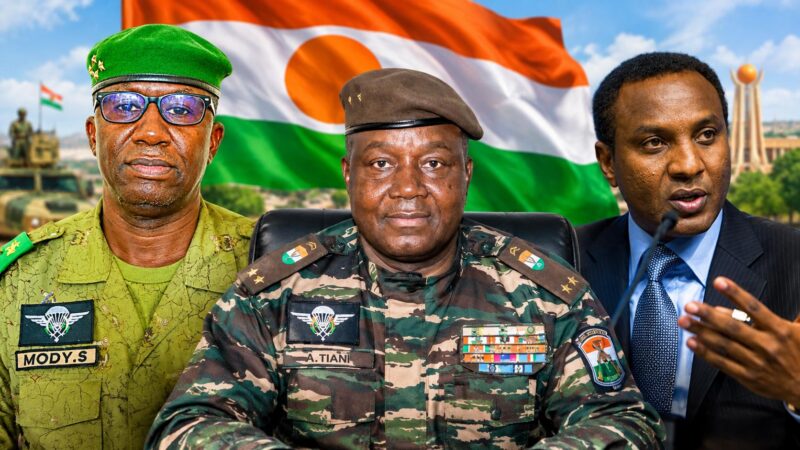
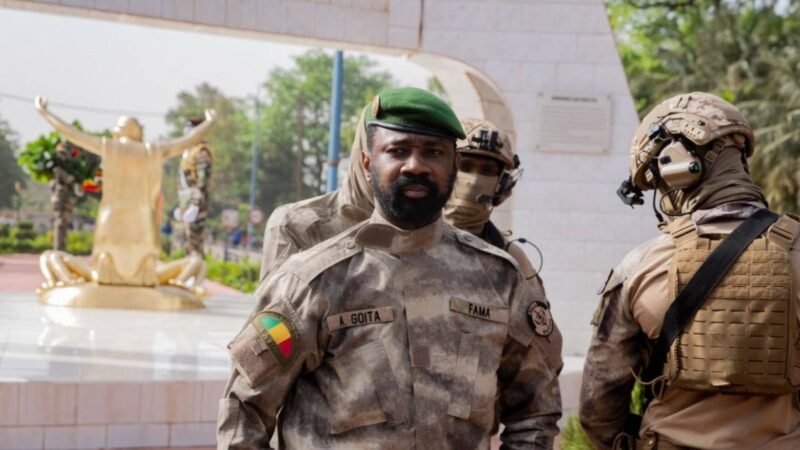
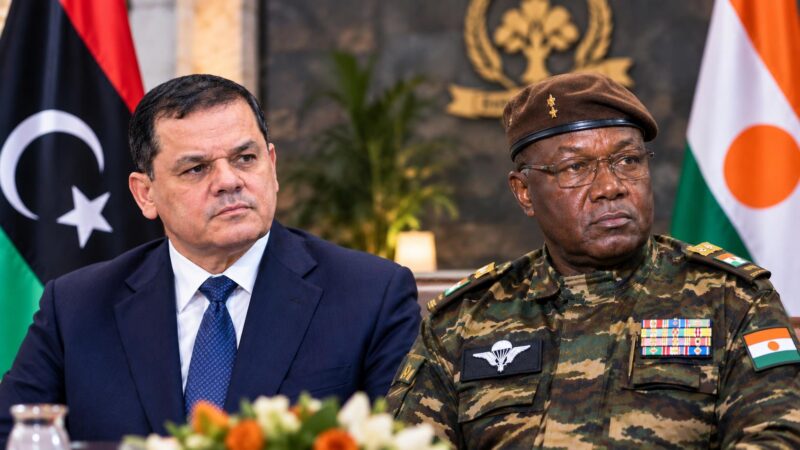
Niger revokes nationality of five citizens, including former premier Mahamadou
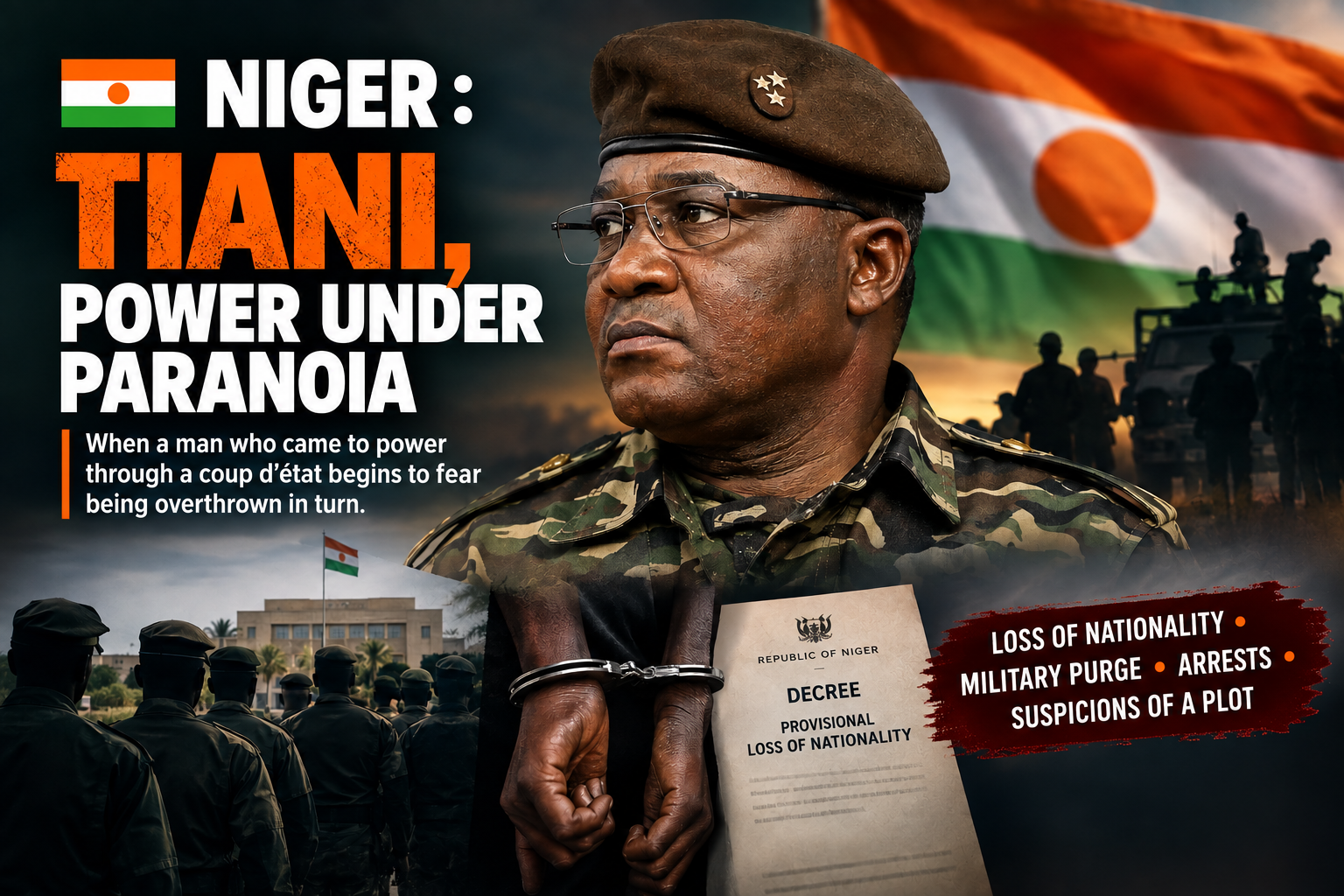
A decree signed on 17 September has stripped five Nigeriens of their nationality, among them Ouhoumoudou Mahamadou, who served as prime minister under the ousted president Mohamed Bazoum. The measure lands less than three weeks after an attempt to overthrow General Abdourahamane Tiani, and it extends a pattern of arrests, dismissals and sanctions that has reshaped the country’s power structure since the events of 29 August.
What the decree of 17 September sets out
The text invokes intelligence with foreign powers, the dissemination of data capable of disturbing public order, alleged involvement in an effort to demoralise the army and the nation, and breaches of state security. Those are accusations recorded in the decree, not a definitive court ruling.
Politically, the symbolism reaches far beyond the legal wording. Mahamadou is not a marginal figure. He belongs to the former state apparatus and led the government under the very president Tiani removed from office, which gives the dossier an entirely different weight.
The night the presidential palace came under fire
The presidential palace was targeted. Air base 101 came under attack. The public television station was also in the mutineers’ sights. For several hours, the balance of forces inside the military apparatus remained unclear: some soldiers hesitated over which side to take while the mutineers tried to bring other officers over to them.
The attempt did not unseat Tiani. It did, however, change the equation of power.
Several hundred Russian troops from the Africa Corps were required to retake air base 101. At least 200 military personnel have been detained since 29 August, most of them drawn from the special forces.
The command chain starts to move
On 11 September, the chief of staff of the armed forces, General Moussa Salaou Barmou, was removed from his post. Four ministers were replaced a few days later. Officially, the changes are presented as reorganisation, the correction of dysfunctions and a way of securing the chain of command.
In politics, timing tells its own story. After being directly threatened, the government reconfigures itself around the people it regards as safest.
The long shadow of the Bazoum era
Three years after the coup that brought Tiani to power on 26 July 2023, Mohamed Bazoum remains a central figure in Niger’s political confrontation. His administration is gone and his institutions have been dismantled, yet the men who served him keep surfacing in the security and judicial files of the current authorities.
With the latest decree, five Nigeriens are now provisionally deprived of their nationality under a mechanism introduced in 2024. The number of people affected by the measure has reached 25.
From five names to twenty-five
A question follows naturally, and it can be asked without presuming guilt or innocence: at what point does the defence of the state stop being a security operation and start looking like a political clean-up?
The nature of the threat has shifted. It no longer comes only from armed groups or foreign adversaries. It can now emerge from inside the military itself. When the loyalty of soldiers becomes a central concern, the pull to hunt for those responsible, for relays, accomplices and sponsors grows strong and suspicion risks hardening into a method of government.
A senior officer replaced.
A minister pushed aside.
Soldiers detained.
Former officials of the Bazoum era targeted.
And now citizens provisionally stripped of their nationality.
Taken one by one, each act carries an official rationale. Placed end to end, they sketch a government that, having been threatened, is trying to take back control of every circle that might prove a vulnerability.
The mirror of 26 July 2023
The most awkward question for the authorities is this: how do you govern for the long term when a government born of a coup discovers that the same method can be turned against it?
Tiani now knows that mechanism from the inside. He understands that a military government can look firmly entrenched until the day a handful of officers decide to cross a line. What was supposed to be impossible became possible around the presidential palace.
When a government learns it can be removed by the very means that carried it to the top, fear of the next plot can quickly turn into a political obsession.
Who decides who belongs to Niger?
This is where the government’s critics detect a troubling drift. By deciding who is loyal, who is suspect, who must be arrested, who must be sidelined and now who may provisionally keep their nationality Tiani gives his detractors the impression of a leader behaving as though he alone holds the keys to the republic. As though Niger were divided between those who back the government and those who must be excluded from it. As though having served under Bazoum were a permanent political offence. As though every dissenting voice necessarily concealed a conspiracy.
Tiani is not Niger. But the concentration of decisions around his person feeds an essential question: how far can a government go when, in order to protect itself, it ends up seeing a threat behind every face?
The contradiction at the heart of the story
The irony sits at the centre of the tale. Tiani reached the summit through a coup. He now runs a government that has just survived an attempted putsch. Between those two dates, Niger appears to have tipped into a cycle in which each crisis produces fresh purges, each suspicion invites a new sanction, and each challenge to the authorities strengthens the concentration of power.
The decree of 17 September is therefore more than a matter of nationality. It is another instalment in a wider battle: a government trying to eliminate every zone of uncertainty around itself.
One question remains, perhaps the most important. In fighting real or supposed plots, is Tiani building a system in which any form of dissent automatically becomes a plot? If so, the issue would no longer be simply who wants to overthrow him. It would also be why a government that presents itself as firmly installed now seems so afraid of those around it and how far this logic will run. When a government starts treating its own citizens as potential threats, the line between protecting the state and protecting the government becomes dangerously thin.
By Harouna Ousmane — Reporter