Senegal’s revised 2026 budget finally reaches parliament after Sonko’s criticism
Parliament confirms receipt of the 2026 revised finance bill amid political pressure
The National Assembly of Senegal has officially confirmed receiving the Revised Finance Bill (LFR) for 2026. In a statement released on Friday, September 18, 2026, the parliament disclosed that the bill was transmitted to its General Secretariat in the afternoon, accompanied by a presidential letter and the decree authorizing its presentation to lawmakers.
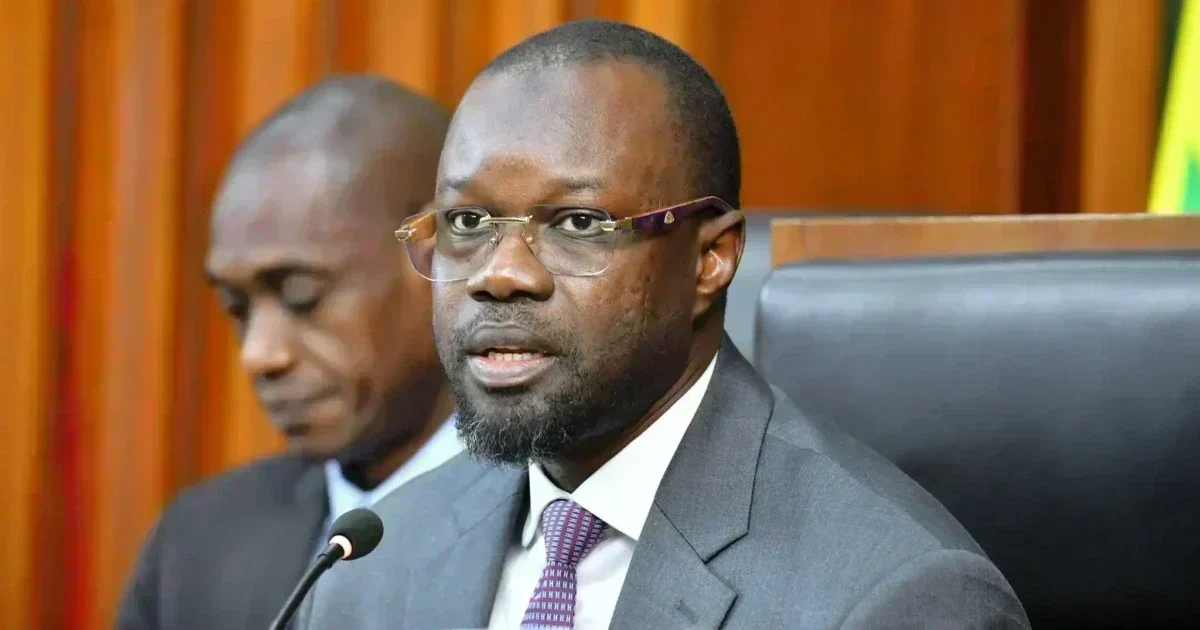
The announcement follows days of uncertainty surrounding the budgetary timeline set by the Prime Minister’s Office. Prime Minister Ahmadou Al Aminou Lô had instructed Finance Minister Cheikh Diba on September 10 during a Council of Ministers meeting to ensure the bill’s submission by September 15. However, this deadline was missed, sparking controversy as National Assembly President Ousmane Sonko publicly stated earlier on the same day that no notification of the text had been received. The parliament’s statement now confirms the belated transmission, arriving three days past the initially scheduled date.
What changed? Presidential decree reactivates the budget process
The attached presidential decree, numbered 2026-1645, specifies that the bill will be presented to the National Assembly by the Minister of Economy, Finance, and Planning. This minister is also tasked with explaining the bill’s provisions and defending its discussion before the deputies. The decree replaces an earlier one, 2026-1236 (June 29, 2026), which had also authorized the presentation of the same Revised Finance Bill, indicating that the process had to be restarted from scratch.
The decree further assigns responsibility for execution to the Minister of Economy, Finance, and Planning as well as the Minister of Communication and Relations with Institutions. Both ministers are tasked with ensuring the decree’s implementation, which is slated for publication in the Official Journal. Signed in Dakar on September 18 by President Bassirou Diomaye Faye and countersigned by the Prime Minister, the decree marks a decisive step toward breaking the legislative impasse.
Next steps: Budget scrutiny and fiscal accountability under scrutiny
The submission of the LFR 2026 now paves the way for parliamentary review—a phase keenly observed in the context of Senegal’s public finance recovery and international commitments. The Prime Minister’s Office has also scheduled the examination of the 2027 Initial Finance Bill in a Council of Ministers meeting before the end of September. This upcoming deadline will be scrutinized closely following the recent delays, raising questions about the government’s ability to maintain its fiscal calendar.
With the revised budget now in the hands of lawmakers, the coming days will determine whether Senegal can regain momentum in its budgetary process amid political and economic pressures.