Senegal’s local election delay: Bassirou Diomaye Faye’s strategy under scrutiny
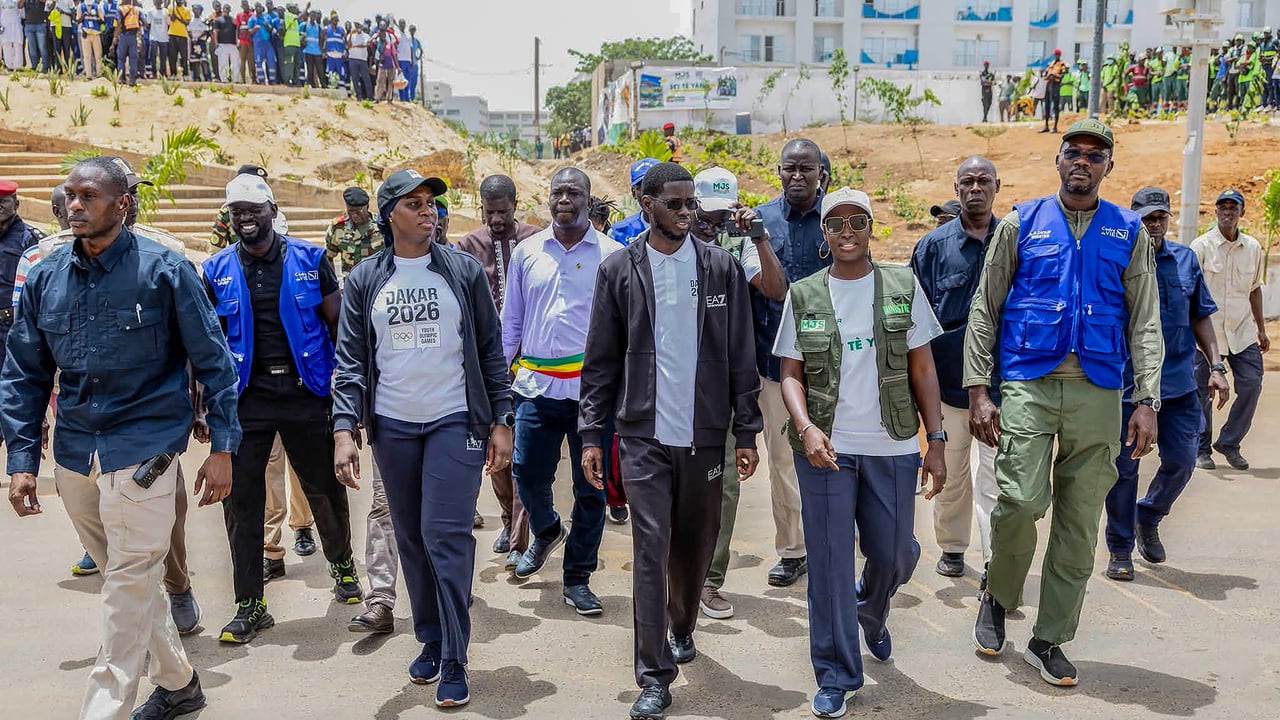
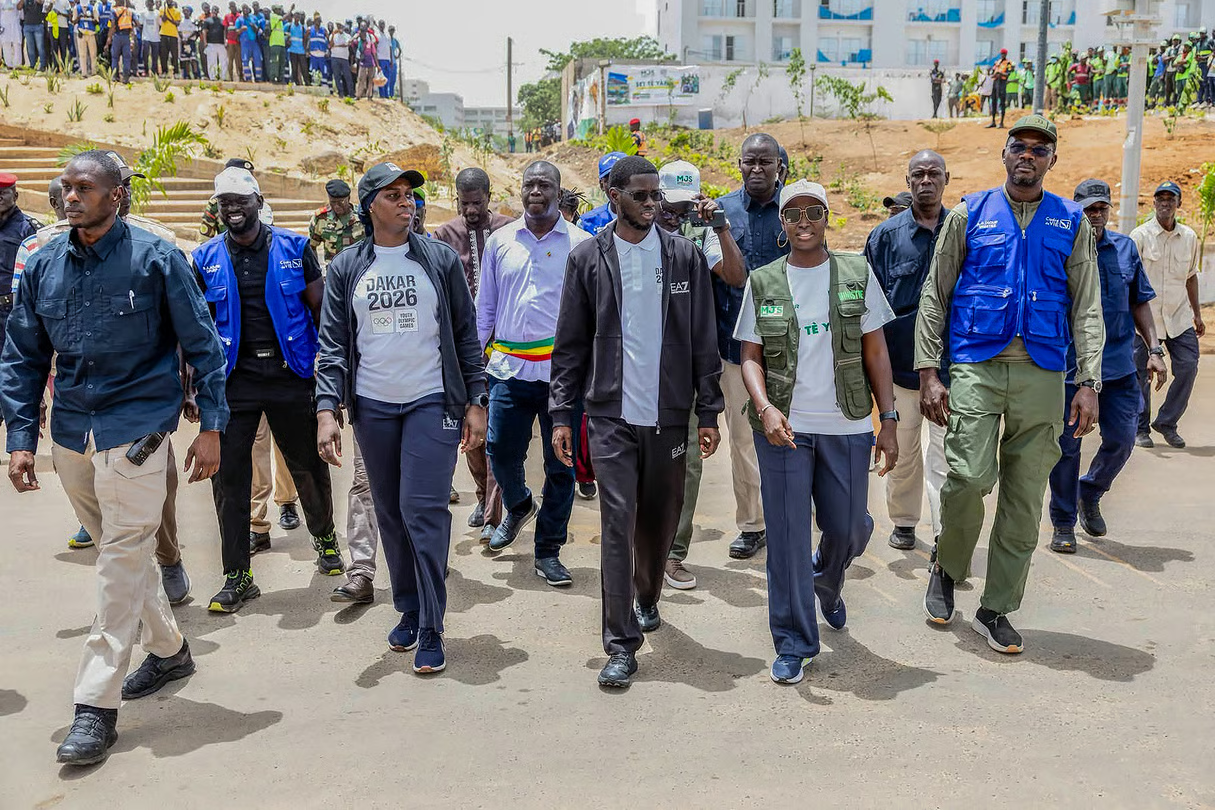
Bassirou Diomaye Faye, Senegal’s president, has yet to clarify when the country’s long-awaited local elections will take place, despite the January 2027 deadline looming. The delay is fueling speculation about his political strategy and its potential consequences for Senegal’s democratic stability.
The unanswered question: when will Senegal vote?
Months after the initial announcement, the Senegalese government has not provided a definitive date for the local elections. President Faye’s silence has sparked debates about whether this hesitation is a deliberate tactic or a sign of deeper political uncertainty.
Local elections: a postponed mandate
Originally slated for early 2027, the local elections are now caught in a cycle of postponements. This delay has raised concerns among civil society groups and opposition figures, who question the government’s commitment to transparent governance.
The prolonged uncertainty is affecting municipal planning, resource allocation, and public confidence in the electoral process. With no clear timeline, local authorities are struggling to maintain essential services and development projects.
What’s driving the delay?
Analysts point to several factors that may explain President Faye’s reluctance to set an election date:
- Political consolidation: Faye may be using the delay to strengthen his party’s presence across Senegal’s regions before the vote.
- Policy priorities: The government could be prioritizing other legislative agendas, pushing local elections to a secondary position.
- Public sentiment management: By avoiding a fixed date, Faye may be aiming to control the political narrative and reduce immediate backlash.
Growing pressure on the government
The lack of clarity is intensifying pressure on President Faye to act. Opposition leaders are calling for accountability, while international observers are closely monitoring the situation, urging compliance with Senegal’s electoral timeline.
Meanwhile, citizens are left in limbo, unable to plan for their communities’ future. The absence of a concrete election date is not just a procedural issue—it reflects broader governance challenges in Senegal.
What happens next?
As the January 2027 deadline approaches, Senegal stands at a crossroads. Will President Faye break his silence and announce a date, or will the uncertainty persist? The answer could reshape the country’s political landscape in the coming months.
The coming weeks will be critical in determining whether Faye’s strategy serves his long-term goals or undermines Senegal’s democratic resilience.