Dioura: JNIM answers Bamako’s denial with a full account of the raid
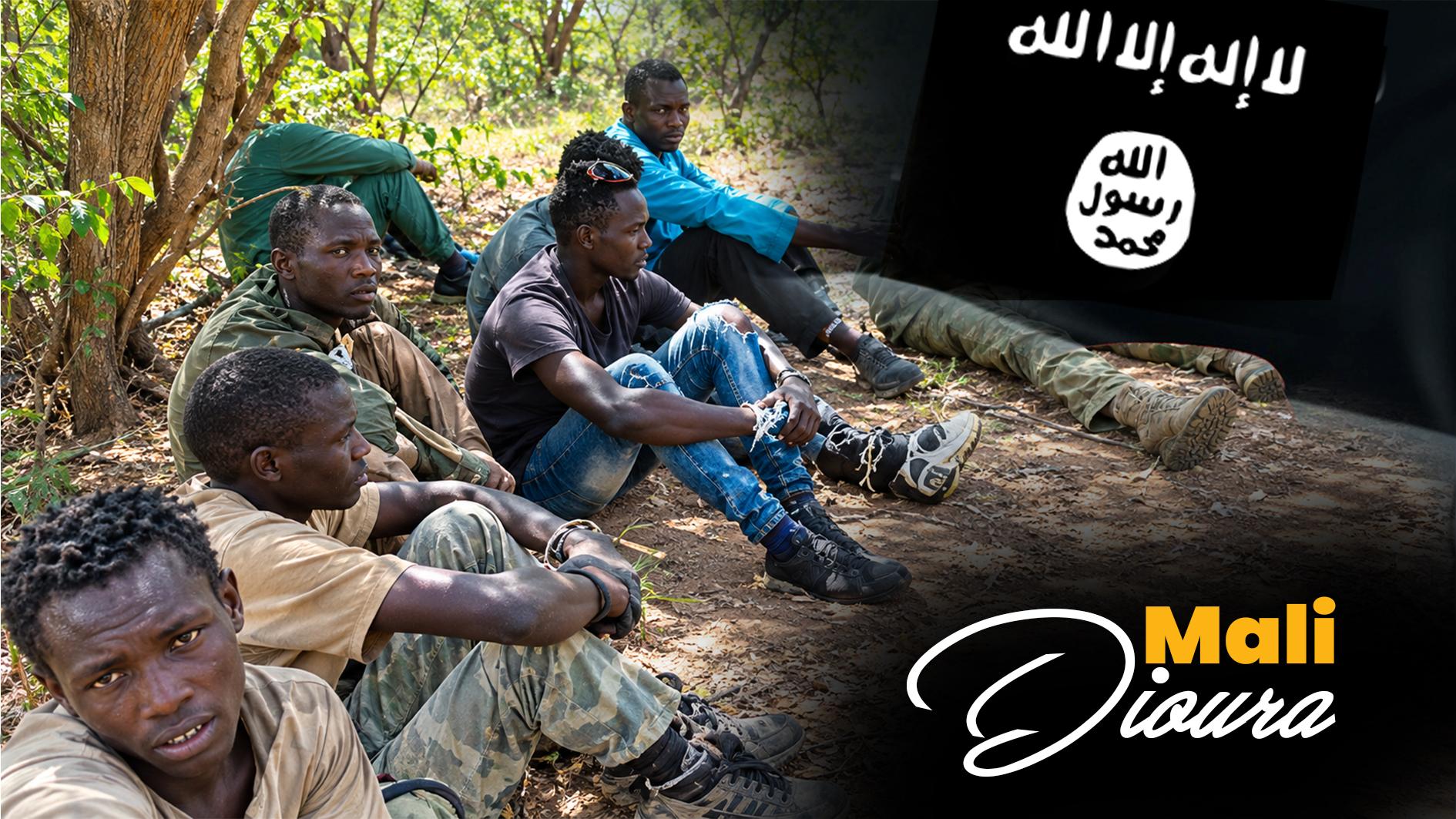
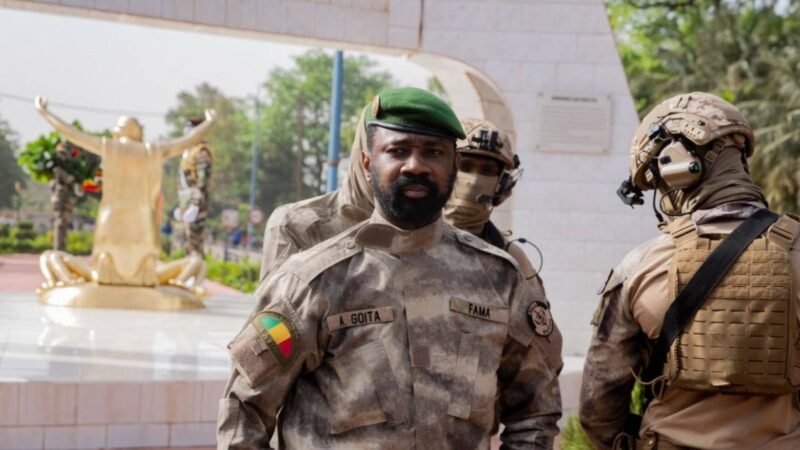
The chief of staff of the Malian Armed Forces (FAMA) had one short sentence for the subject: there is nothing at Dioura. Hours later, the Group for the Support of Islam and Muslims (JNIM) responded with a communiqué, photographs and video — and a casualty list that leaves the official line with very little room to manoeuvre.
A denial met with a detailed counter-account
Bamako’s reflex of playing down setbacks on the front has run into something it cannot easily absorb. By declaring publicly that no major event had occurred in the locality of Dioura, the military command clearly hoped to smother the fallout of yet another strategic disappointment. It had not counted on the speed of JNIM, al-Qaeda’s Sahel branch, which moved quickly to publish a rebuttal as firm as it was precise.
For a government built around sovereign reconquest and the steady rise of its armed forces, the contrast is stark. Denying events before they surface on social networks costs the authorities in Bamako dearly — with international observers, and even more so with a Malian public that no longer knows what to believe about the country’s real security situation.
The human toll claimed by the attackers
A colonel, a captain and 93 captives
The figures set out by JNIM describe a military catastrophe. The group states that 150 Malian soldiers were killed in the fighting, among them senior officers, including a colonel and a captain. To that already heavy count it adds 93 soldiers taken prisoner — a considerable political and strategic lever of pressure in the hands of an armed organisation.
Equipment destroyed, equipment driven away
The logistical picture drawn by the jihadist group is just as striking:
- Army losses: confirmed destruction of 15 military vehicles and more than 100 motorcycles used by patrols.
- Vehicles captured: six tactical vehicles and ten motorcycles seized in working order.
- Heavy arsenal recovered: six 14.5 mm weapons, 17 DShK-type heavy machine guns, 32 PK machine guns, ten RPG rocket launchers, three mortars and one SPG recoilless gun.
- Small arms and ammunition: 233 Kalashnikov assault rifles and a massive stock of ammunition in various calibres.
Images, video and the fight over the story
To back up its claims and block any attempt at contestation, JNIM attached photographic and video material to its statement, showing the seized equipment and the prisoners. When verifiable images of captured hardware and detained soldiers circulate freely, official communication simply collapses — and the sense of isolation among troops deployed at the front grows.
Dioura also exposes a structural weakness in the way the junta handles a crisis. By choosing denial or radio silence in the face of tactical reverses, the military command hands the narrative to its opponent and lets him set the terms of the debate.
A narrative gap that turns into a military one
The episode matters all the more because JNIM is demonstrating an ability to run complex operations, pairing a mass assault with the systematic recovery of heavy weaponry. Each defeat that goes unacknowledged by the authorities erodes confidence inside the ranks and weakens national cohesion.
Sovereignty rhetoric, and the test of the ground
The reality on the ground continues to underline how complicated the security crisis in central and northern Mali remains. Despite the announced strategic break and the turn to new partners, the capacity of armed groups to cause damage is intact. The assault on Dioura shows that JNIM still enjoys tactical mobility and striking power sufficient to disorganise fortified army positions.
Faced with the precision of the details released by the attackers, silence or minimisation is no substitute for a military strategy. For the Malian junta, the challenge is no longer only about reconquering territory — it is about confronting the facts in order to recalibrate a security response that is now being tested to its limits.