Senegal-Indonesia palm oil deal: 60,000 hectares to end costly imports
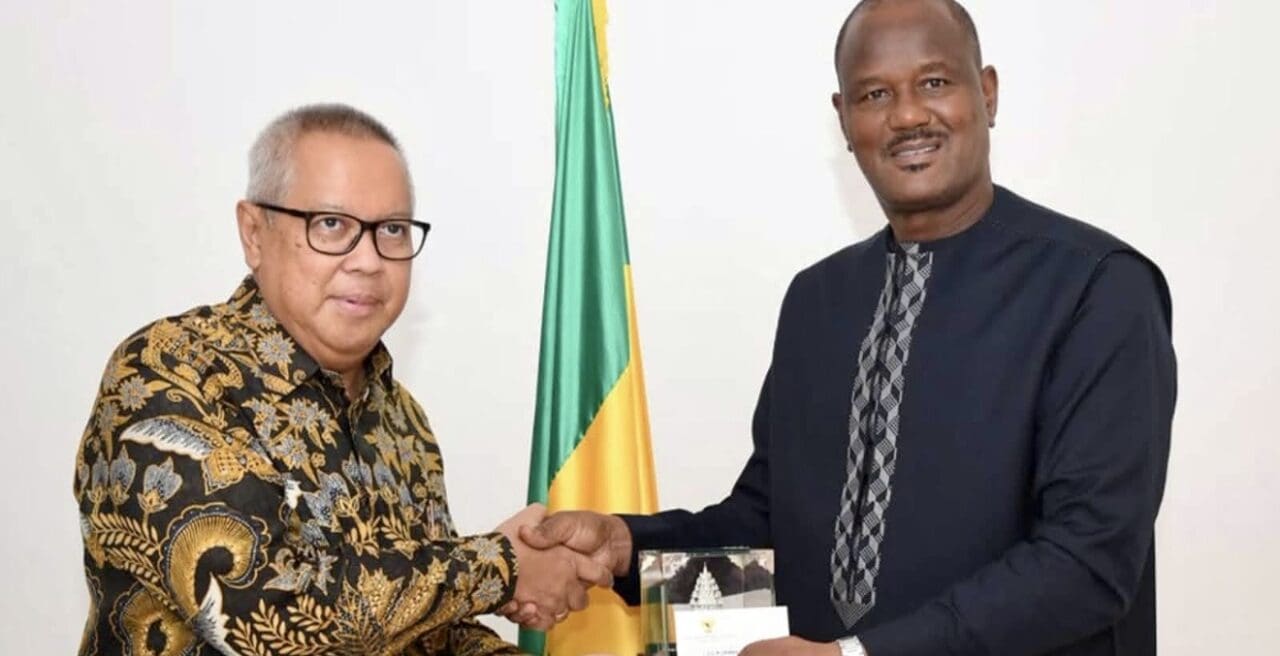
The Senegalese government is accelerating its oil palm ambitions. A landmark partnership with Indonesia could transform a stagnant sector that has struggled for over a decade. On September 11 in Dakar, officials unveiled plans to develop 60,000 hectares of oil palm plantations in central and southern Senegal—more than five times the current cultivated area.
A joint technical working group has been formed to finalize key details, including timelines and financing. While specifics remain under wraps, the initiative signals a bold step toward reducing the country’s heavy reliance on imported palm oil.
Senegal’s oil palm sector at a standstill
Data from the Food and Agriculture Organization (FAO) paints a stark picture: between 2015 and 2024, oil palm cultivation in Senegal never exceeded 12,000 hectares, hovering around 11,800 hectares. This stagnation has directly impacted industrial production, which has remained flat at roughly 14,000 tons annually.
Faced with unmet domestic demand, Senegal has relied heavily on imports. Between 2015 and 2024, the country imported an average of 148,100 tons of palm oil per year, peaking at 195,937 tons in 2017. The financial burden has been substantial, averaging nearly $108 million annually and reaching $172 million in 2020. By pursuing local production, Dakar aims to address this costly dependency within its broader food sovereignty strategy.
Why Indonesia? The world’s palm oil powerhouse
Indonesia dominates global palm oil production, with an estimated 46.7 million tons expected for the 2025/2026 season, according to the U.S. Department of Agriculture (USDA). The country leads both production and export markets, thanks to decades of expertise in varietal selection, plantation management, and industrial processing.
For Senegal, the collaboration extends beyond mere land expansion. The goal is to integrate Indonesian know-how through technology transfer and workforce training—critical components for building a modern, efficient, and scalable palm oil industry.
Lessons from Africa: Can Senegal succeed where others have tried?
Senegal is not the first African nation to explore partnerships with Indonesia. In 2025, Tanzania signed a cooperation agreement with the Indonesian Palm Oil Association (GAPKI), focusing on technical training and knowledge exchange. In Nigeria—the continent’s top palm oil producer—an agreement finalized in 2024 between local producers and GAPKI aims to enhance productivity through shared expertise and innovation.
The question now is whether Senegal can turn this strategic alliance into tangible success, following in the footsteps of its regional peers.