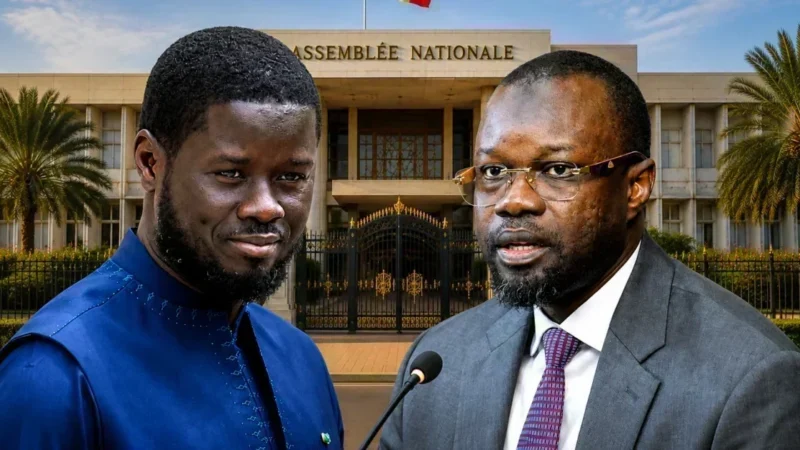
Tensions political power Senegal diomaye faye sonko
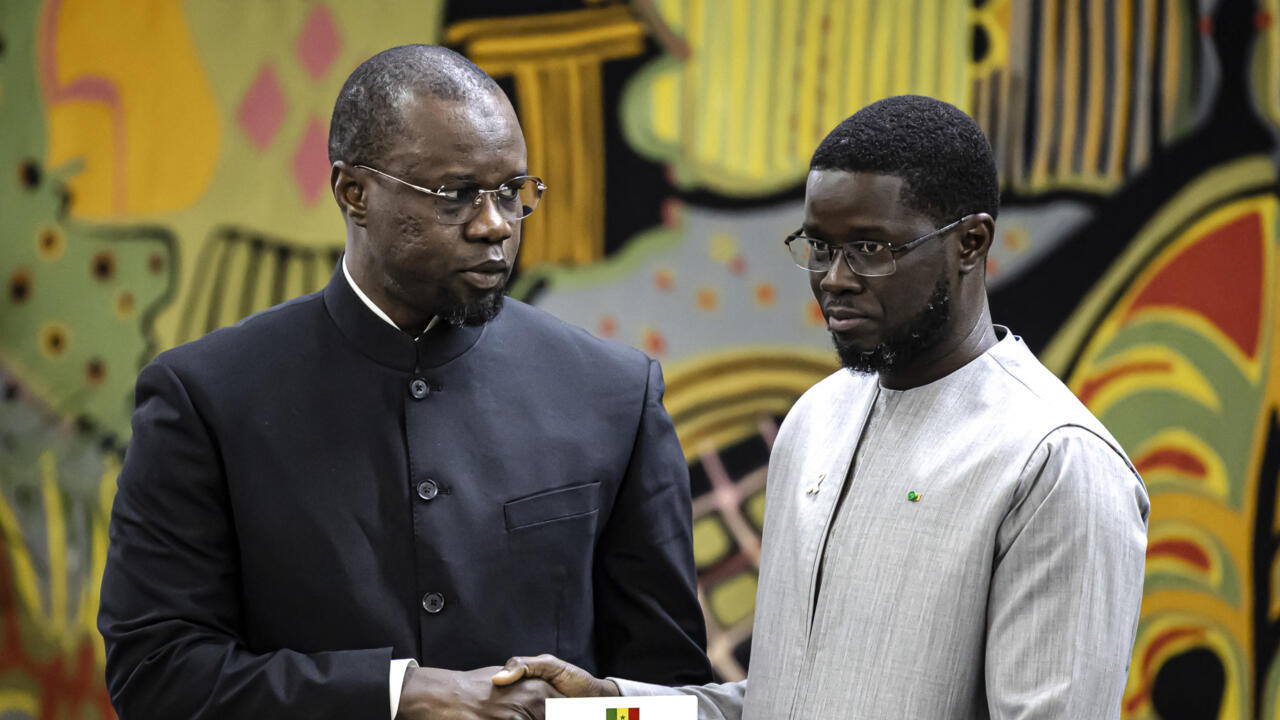
From Dakar — Senegal: navigating a strained political cohabitation
The Diomaye-Sonko duo lasted barely two years. President Bassirou Diomaye Faye has removed Ousmane Sonko from the Prime Minister’s office. Now serving as President of the National Assembly, Sonko has also been re-elected triumphantly as leader of the Pastef, the majority party in Parliament but excluded from the government. How did this rupture occur? Will cohabitation with the Head of State remain feasible? These political tensions risk overshadowing the priorities of Senegalese citizens.
Panelists:
- Abdoulaye Tine, Minister Counselor, Spokesperson for the Presidency of the Republic.
- Amadou Ba, Former Minister of Culture, Deputy, National Secretary in charge of Communication for Pastef.
- Babacar Ndiaye, Political Analyst, Research Director at the Wathi Think Tank.
From political alliance to institutional rupture
The initial camaraderie between Bassirou Diomaye Faye and Ousmane Sonko, once the driving force behind the dramatic shift in Senegal’s political landscape, has given way to palpable tensions. The removal of Sonko from the Prime Minister’s position marks a decisive turning point. His subsequent election as President of the National Assembly and re-election as leader of the Pastef, despite his party’s exclusion from the government, underscores the depth of the current divisions.
This power shift raises critical questions about the future of governance in Senegal. Can the President and the National Assembly President coexist constructively? Or will these political clashes divert attention from the pressing issues facing Senegalese society?
Parliamentary dynamics and governance challenges
The Pastef, despite holding a majority in Parliament, finds itself sidelined in the executive branch. This unprecedented situation creates a complex dynamic where legislative power appears to overshadow executive authority. The absence of Pastef members in the government raises concerns about the effectiveness of public policies and the ability to address urgent national priorities.
As Senegal navigates this uncharted political terrain, citizens are left wondering about the stability of their institutions and the potential consequences for the country’s democratic process. The coming months will be decisive in determining whether Senegal can maintain its democratic momentum or if these tensions will erode public trust in its governance structures.