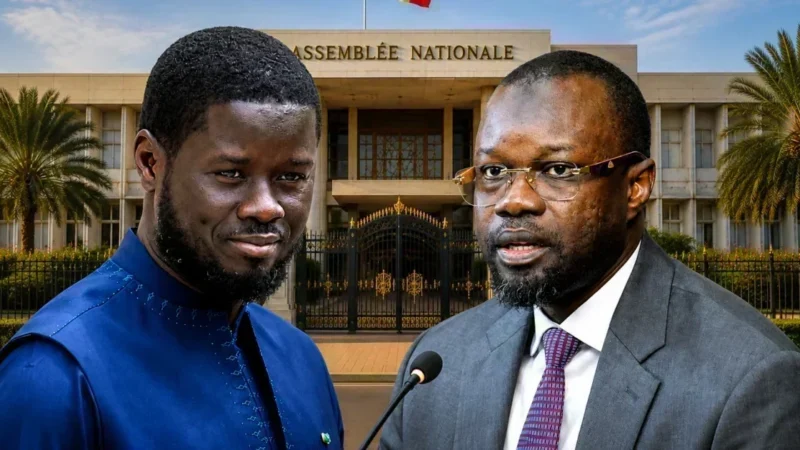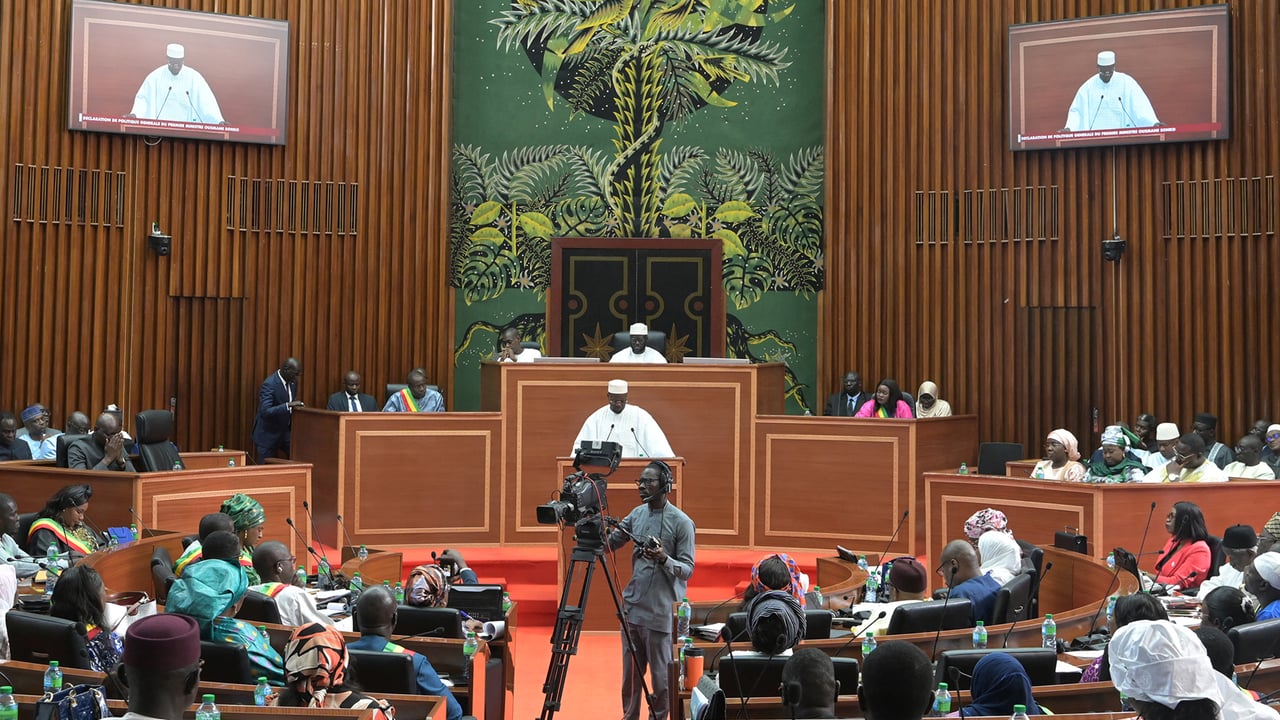

The debate over the secrecy of special funds in Sénégal has resurfaced as the government advances plans to repeal a contentious amnesty law. This move, led by Prime Minister Ousmane Sonko, has reignited discussions about governance, accountability, and the role of discretionary funds in public administration.
Why special funds remain a contentious issue
Special funds in Sénégal have long been shrouded in secrecy, raising concerns about financial transparency and potential misuse. These discretionary resources, often managed outside standard budgetary oversight, have been a point of contention for advocates of good governance. Critics argue that such opacity undermines democratic principles and fosters an environment where accountability is compromised.
Prime Minister Sonko’s government has taken a firm stance on this issue, proposing legislative changes to dismantle the legal framework that permitted these funds to operate without sufficient scrutiny. The proposed repeal of the amnesty law is seen as a critical step toward restoring public trust in state institutions.
Transparency vs. national security: the balancing act
Proponents of maintaining secrecy in special funds often cite national security and operational efficiency as key justifications. They contend that excessive transparency could hinder the government’s ability to respond swiftly to crises or protect sensitive information. However, opponents counter that the lack of oversight creates opportunities for corruption and mismanagement, ultimately eroding public confidence in leadership.
In Sénégal, where political tensions have occasionally flared, the debate takes on added significance. The amnesty law, which shielded individuals from prosecution for political violence, has been particularly controversial. Its repeal is not merely a legal adjustment but a signal of the current administration’s commitment to reform and accountability.
Public reaction and political implications
The government’s initiative has sparked mixed reactions among citizens and political stakeholders. While some praise the move as a necessary step toward transparency, others express skepticism about whether the reforms will translate into tangible improvements in governance. The political landscape remains divided, with debates centering on the balance between state secrecy and the public’s right to know.
For the ruling party, this reform represents an opportunity to demonstrate a break from past practices. For opposition groups, it is a test of the government’s sincerity in addressing longstanding grievances. The outcome of this legislative battle could shape Sénégal’s political trajectory in the coming years.
What’s next for special funds in Sénégal?
As the government prepares to introduce its bill, the focus shifts to how these funds will be restructured—or eliminated—to align with principles of transparency and accountability. The proposal to repeal the amnesty law is just the beginning of a broader conversation about the future of governance in the country.
With public expectations running high, the administration faces the challenge of balancing reform with stability. The decisions made in the coming months will determine whether Sénégal can forge a path toward greater openness without compromising its operational capabilities.