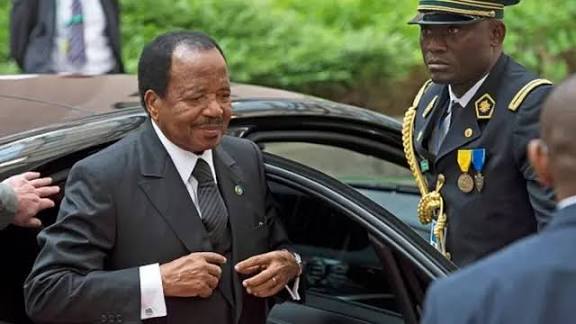
On June 7, 2026, Cameroon’s President Paul Biya departed Yaoundé for what was described as a brief private visit to Europe. As of August 10, 2026, he has spent 64 consecutive days abroad, setting an unprecedented record for his presidency and raising pressing questions about the implications of prolonged absence from the country.
Unprecedented absence raises governance questions
This extended stay—now the longest in his decades-long tenure—has shifted from a routine diplomatic or personal trip to a subject of national debate. Citizens, analysts, and political observers are increasingly scrutinizing the potential consequences of such a lengthy absence, particularly in a context where leadership continuity and governance remain critical concerns.
Public perception and political implications
The record-breaking duration has fueled speculation about the president’s health, the stability of the administration, and the effectiveness of decision-making processes in his absence. While official statements have framed the trip as a private engagement, the prolonged nature of his stay has inevitably drawn attention to the balance between personal matters and presidential duties.
What comes next for Cameroon?
With no immediate sign of his return, the nation watches closely. The situation underscores the broader challenges of leadership continuity in African governance, where extended absences—whether for health, diplomacy, or personal reasons—can have far-reaching effects on policy execution and public confidence. As Cameroon navigates this period, the question remains: how will this record absence shape the country’s political landscape in the weeks and months ahead?