
Challenges facing Cameroon’s cocoa sector
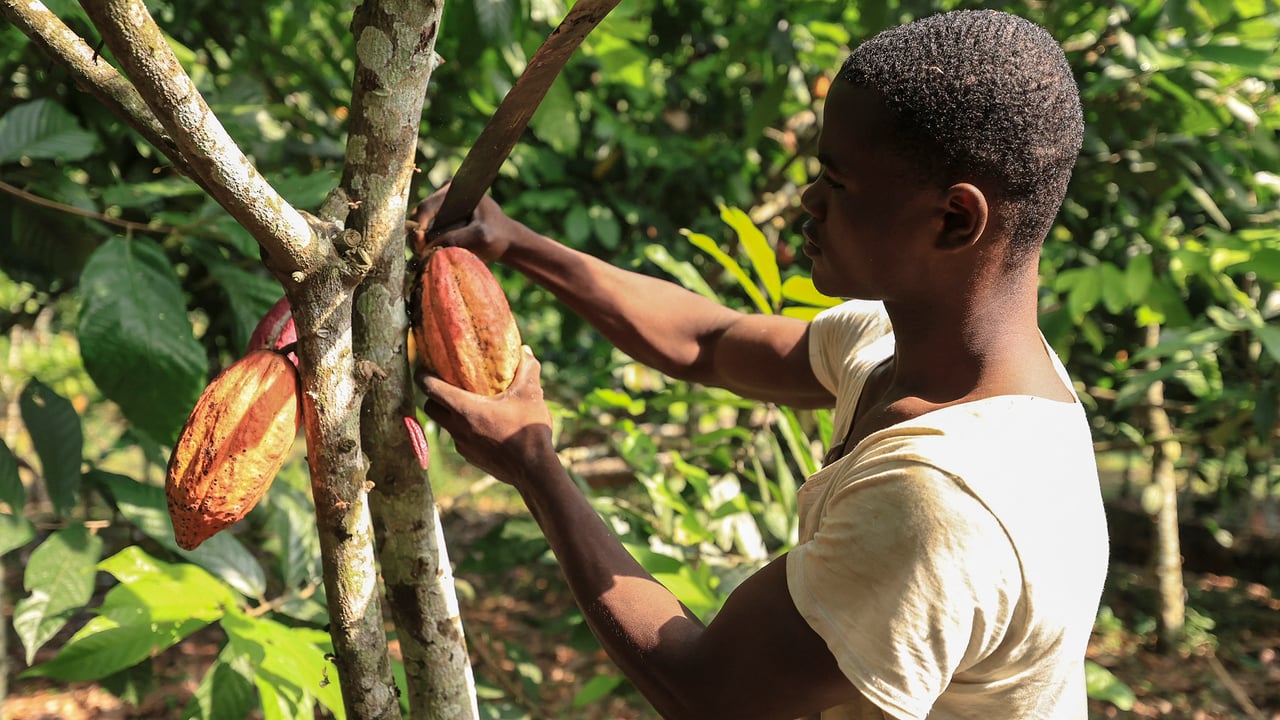
In the heart of Cameroon’s lush southern regions, cocoa farmers are navigating a landscape of economic uncertainty. While the global demand for cocoa remains high, local producers face mounting hurdles that threaten their livelihoods. Rising production costs, fluctuating market prices, and unpredictable weather patterns are just a few of the obstacles reshaping the industry.
Small-scale farmers bear the brunt of market volatility
Many of Cameroon’s cocoa farmers operate on small family-run plantations, where aging trees and outdated farming techniques further reduce yields. These producers, who form the backbone of the sector, struggle to compete with larger commercial farms that benefit from economies of scale and better access to resources.
The recent decline in global cocoa prices has compounded their challenges. With incomes shrinking, farmers are left with little room to invest in modernization or diversify their crops. The situation is particularly acute in regions like Ebebda, where family-owned farms dominate the landscape.
Government interventions fall short of expectations
Efforts by the government to stabilize the sector have yielded mixed results. While subsidies and technical support programs have been introduced, critics argue that these measures do not address the root causes of the crisis. Many farmers report that bureaucratic delays and inadequate funding limit the impact of these initiatives.
Additionally, the lack of infrastructure in rural areas hampers efficient production and distribution. Poor road networks and limited storage facilities increase post-harvest losses, further squeezing already tight profit margins.
Looking ahead: A call for sustainable solutions
The future of Cameroon’s cocoa industry hinges on collective action. Industry stakeholders are urging for a multi-pronged approach that includes fair pricing, improved access to credit, and investment in sustainable farming practices. Training programs focused on climate-smart agriculture and crop diversification could offer long-term relief to struggling farmers.
As global consumers increasingly prioritize ethically sourced products, Cameroon’s cocoa sector has an opportunity to position itself as a leader in sustainable production. However, achieving this will require significant collaboration between farmers, government agencies, and private sector actors.
For now, the path forward remains uncertain. Yet, the resilience of Cameroon’s cocoa farmers continues to drive hope for a brighter future in the industry.