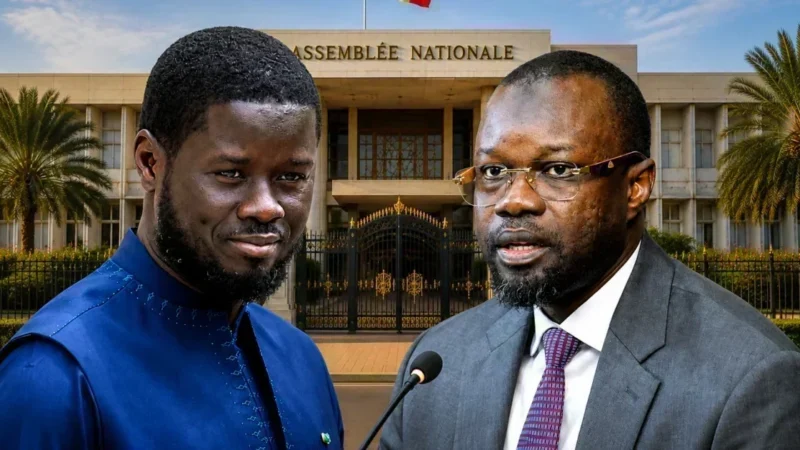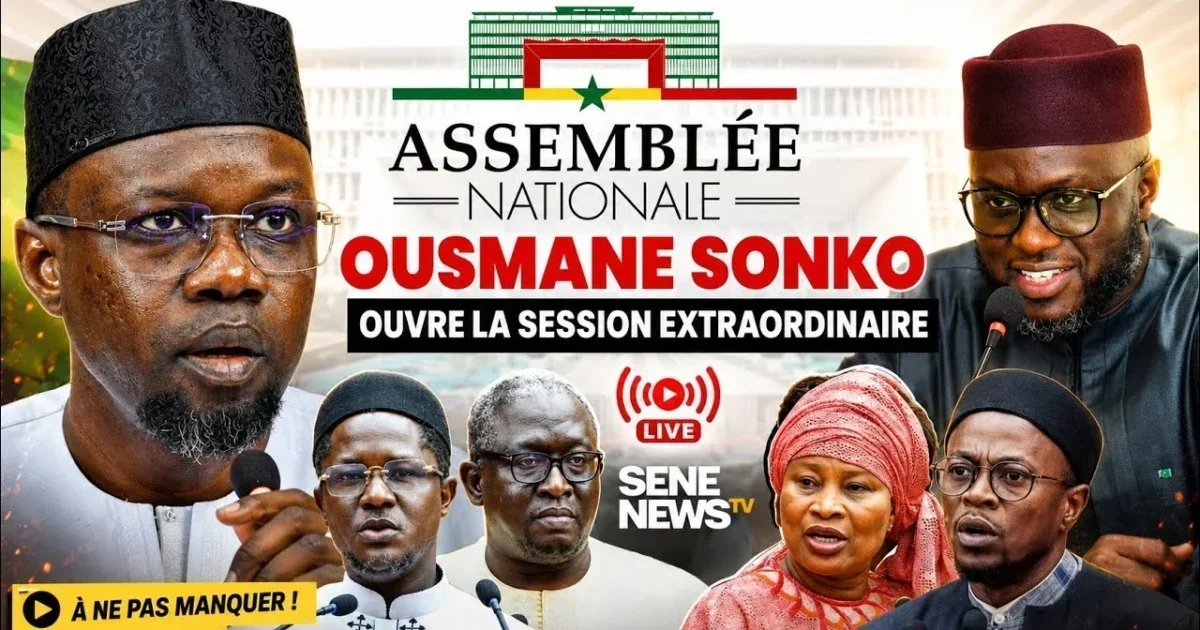
The National Assembly of Sénégal convened an extraordinary session this week, marking a pivotal moment in the country’s political landscape. The gathering, which commenced under heightened scrutiny, saw opposition leader Ousmane Sonko initiate formal investigations into alleged governance irregularities, sending ripples through the national political arena.
The session, called for urgent legislative action, follows months of escalating tensions between ruling and opposition factions. Sonko, a prominent figure in Sénégal’s political opposition, has been at the forefront of demands for transparency, particularly regarding the allocation of public funds and the management of state resources.
Key developments during the parliamentary extraordinary session
During the proceedings, lawmakers debated the scope and urgency of the proposed inquiries. Sonko presented a dossier outlining evidence he claims supports accusations of mismanagement within several government ministries. The dossier, which includes financial records and witness testimonies, was met with both support and skepticism by members of the Assembly.
- Formation of an investigative committee: A cross-party committee was established to examine the allegations, with a mandate to report back within 30 days. The committee’s composition reflects a balance of ruling and opposition voices, though political observers note deep divisions in approach.
- Public reaction and media coverage: The session has dominated headlines, with national media outlets dissecting each speech and procedural move. In the capital, Dakar, public opinion remains sharply polarized, with some citizens viewing the initiative as a long-overdue accountability measure, while others see it as a political maneuver ahead of upcoming elections.
- Government’s stance: Officials have acknowledged the need for oversight but cautioned against what they describe as