Senegal cracks down on unused public assets worth billions
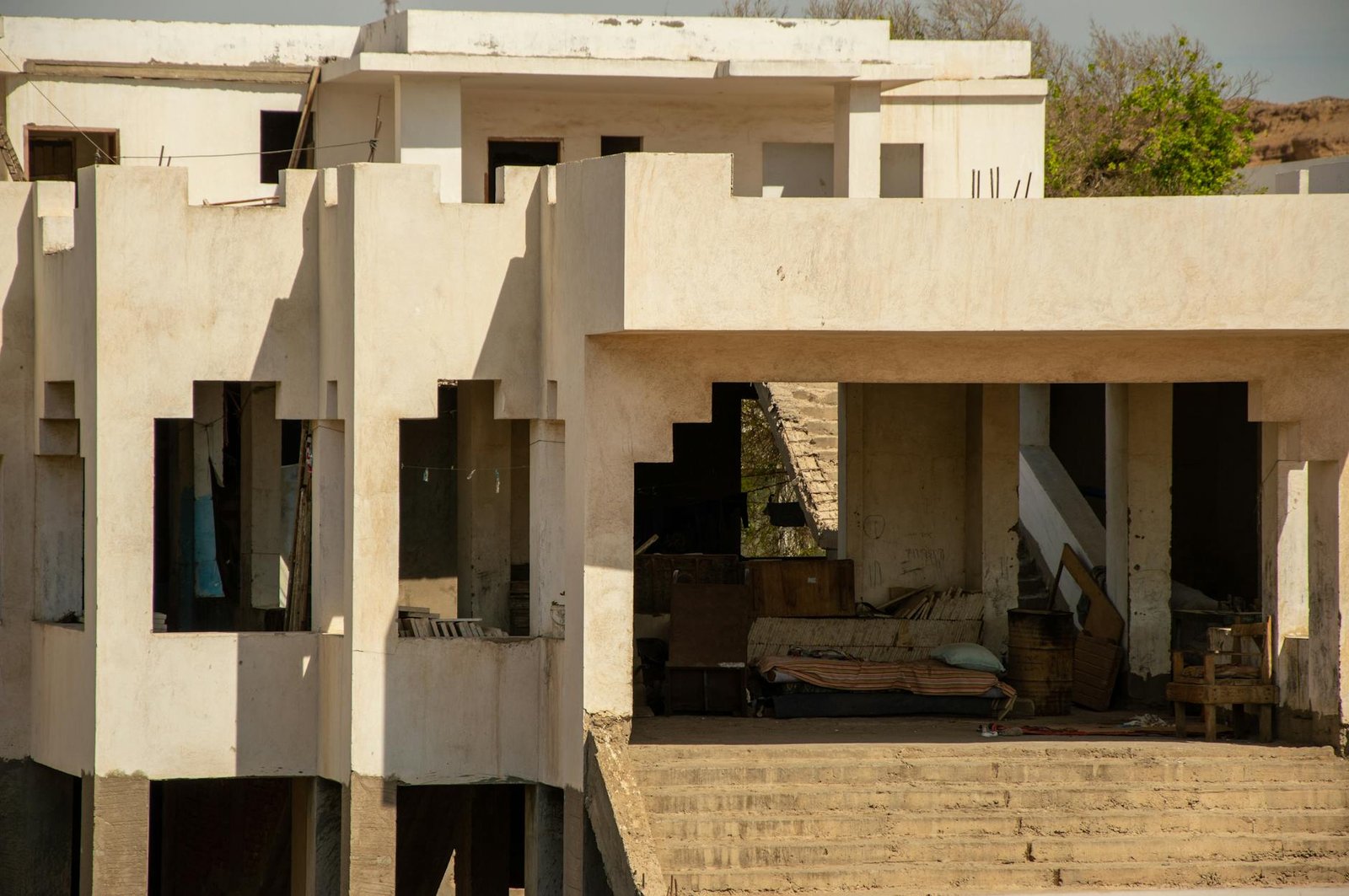
Senegal’s government has launched a sweeping review of its public assets, targeting 25 completed but unused infrastructures that have failed to deliver expected services. Official assessments reveal these dormant projects represent a staggering 279 billion West African CFA francs in tied-up capital—an economic opportunity lost, with no tangible return on investment. The initiative exposes a long-standing flaw in public procurement: the critical gap between project completion and actual operational deployment.
Targeted audit exposes systemic inefficiencies
The assessment focuses on identifying and categorizing idle state-owned assets, including abandoned administrative buildings, sector-specific facilities, and economically intended structures. Each unused project drains state resources through ongoing maintenance costs, security expenses, and accelerated deterioration due to lack of occupancy. The audit aims to reintegrate these resources into productive or administrative circuits through redeployment, inter-agency sharing, or private sector partnerships.
Detailed analysis reveals recurring causes behind these infrastructure failures: projects delivered without allocated operational budgets, buildings constructed without designated purposes, and facilities where logistical prerequisites for activation were never considered. The government’s approach prioritizes case-by-case evaluations to understand each project’s unique barriers to utilization.
Budgetary pressure drives asset optimization drive
The timing of this review reflects urgent fiscal priorities. Since assuming office in 2024, the administration has made financial transparency and expenditure control central to its policy agenda. By unlocking 279 billion CFA francs in already-funded assets, the government aims to create fiscal breathing room without resorting to additional borrowing, at a time when debt servicing demands significant budgetary allocation.
This initiative complements broader reviews of public contracts and parastatal financial practices. The underlying principle is clear: before increasing tax burdens or launching new investments, existing resources must be maximized. The move aligns with repeated recommendations from Senegal’s Audit Court, which has consistently flagged weak post-delivery management in public procurement.
Governance reforms target infrastructure lifecycle failures
The audit highlights systemic issues in infrastructure governance, where the delivery of a completed structure too often marks the end of accountability rather than the beginning of its economic utility. Senegal’s fragmented project lifecycle—spanning conception, financing, construction, and operation—remains divided among multiple ministries and agencies, creating accountability blind spots.
For the 25 affected sites, several revitalization pathways are under consideration. Some could be reassigned to government agencies currently renting private office space, immediately reducing rental expenditures. Others may be suitable for privatization through concession agreements or sold outright. A third option involves addressing missing components—equipment, staffing, or utility connections—to activate the originally intended services. Final decisions will depend on individual assessments and upcoming budgetary trade-offs.
This initiative serves as a credibility test for Senegal’s public administration. Transparency in progress tracking and verification of key indicators will determine its success. The country’s approach could provide a model for neighboring economies struggling with similar ‘ghost infrastructure’ challenges that undermine public investment returns.