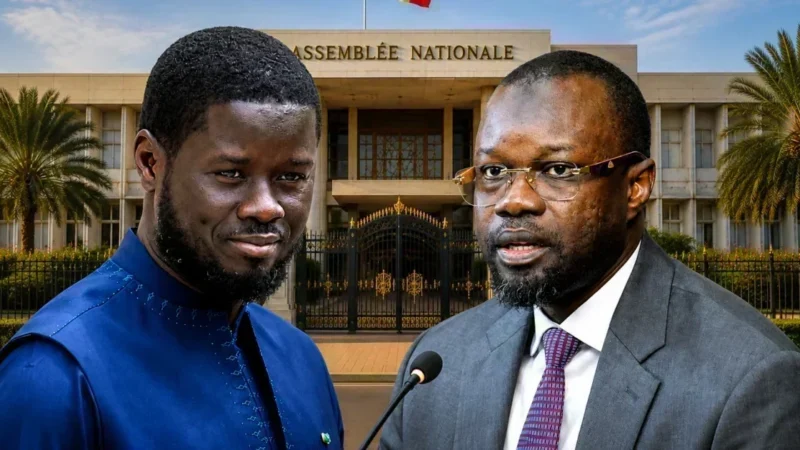
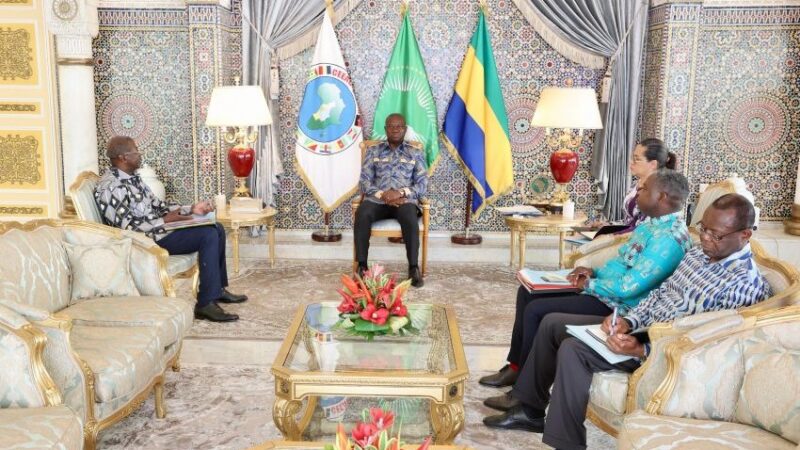
Power struggle behind closed doors in DRC
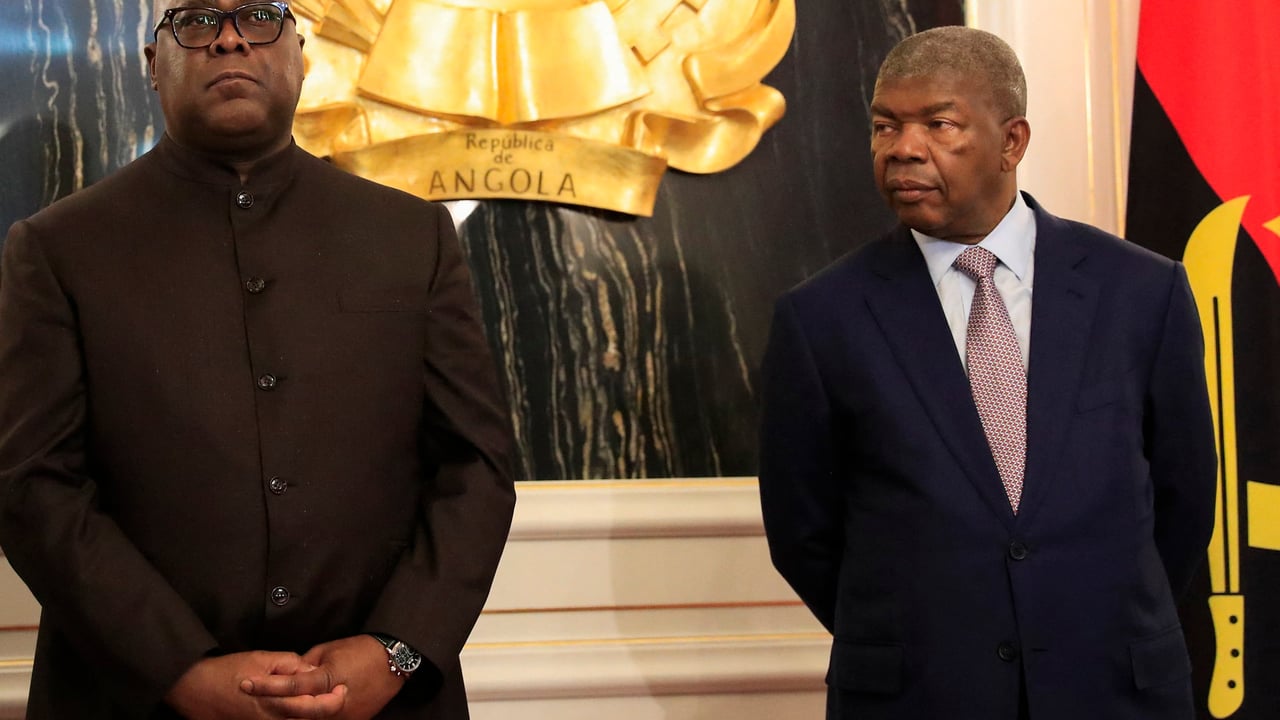
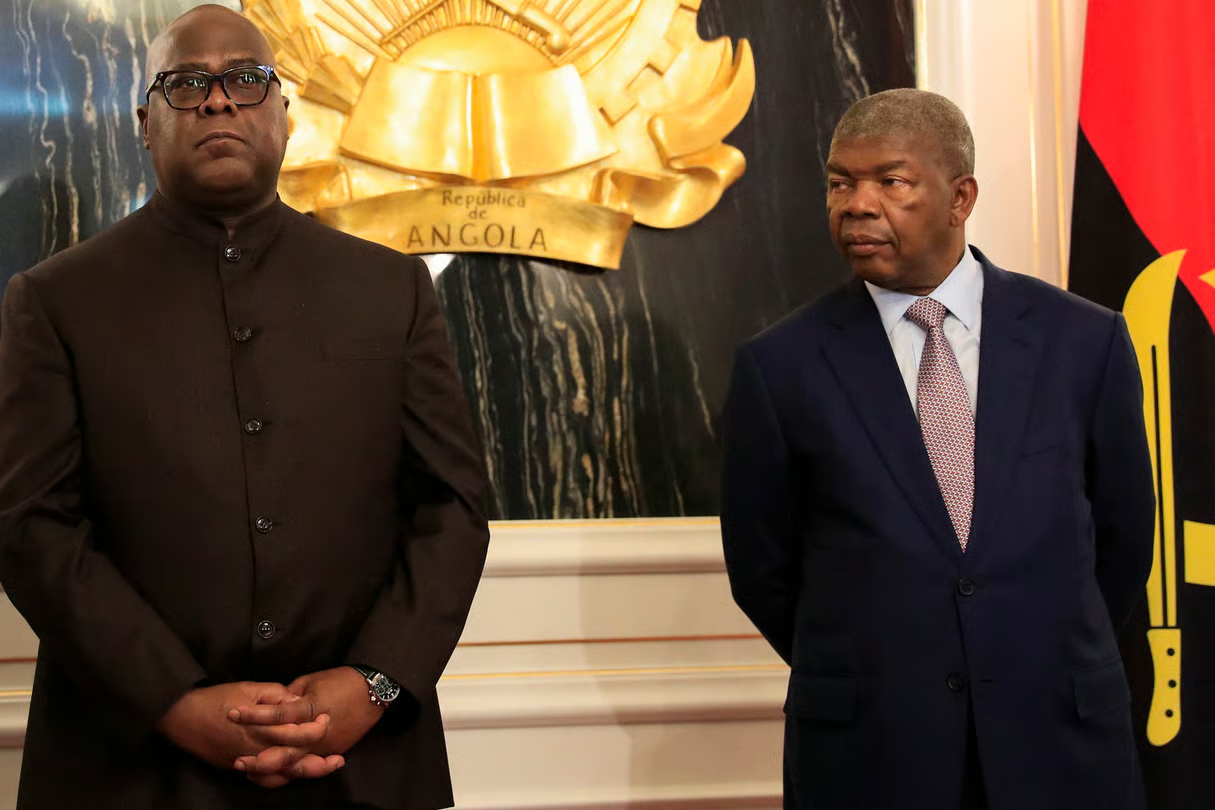
Behind the diplomatic façade, a high-stakes confrontation is unfolding between two of Central Africa’s most influential leaders. In the corridors of power in Luanda, negotiations between Félix Tshisekedi of the Democratic Republic of the Congo (DRC) and Angola’s President João Lourenço have shifted from cordial exchanges to tense stand-offs over regional security and economic interests. Insiders reveal a fragile alliance tested by competing visions for the Great Lakes region.
An alliance strained by divergent interests
Once seen as a partnership built on mutual trust, the relationship between Tshisekedi and Lourenço now faces its toughest challenge yet. At the heart of the discord lies Angola’s growing influence in DRC’s eastern regions, where Lisbon-backed mediation efforts have clashed with Kinshasa’s push for direct control over rebel movements and cross-border trade.
The Angolan leader has been vocal about his country’s role as a stabilizing force, particularly in curbing the activities of the M23 rebel group. Yet, Tshisekedi’s administration views these interventions with skepticism, fearing they undermine DRC’s sovereignty while prioritizing Luanda’s strategic interests over those of Kinshasa.
Key flashpoints in the dispute
- Regional security coordination: While Angola advocates for a centralized security framework under the Angolan Defense and Security Strategy, the DRC insists on maintaining its autonomy in military operations along the eastern border.
- Economic leverage: Angola’s investments in DRC’s mining sector, particularly in copper and cobalt, have sparked concerns about unequal trade agreements favoring Luanda.
- Political interference: Reports of Angolan officials engaging with opposition figures in the DRC have raised alarms in Kinshasa about potential interference in internal affairs.
What’s at stake for the DRC and Angola?
The outcome of this power struggle could reshape the geopolitical landscape of Central Africa. For the DRC, maintaining control over its eastern territories is non-negotiable, but doing so without alienating Angola risks isolating Kinshasa further in a region where alliances are increasingly fragile. Angola, meanwhile, stands to gain significant economic and political influence if it succeeds in consolidating its role as a mediator and investor in the DRC’s volatile eastern provinces.
As the standoff continues, both leaders face mounting pressure from domestic critics. In the DRC, Tshisekedi’s critics accuse him of being too accommodating to foreign powers, while in Angola, Lourenço’s detractors question the sustainability of his regional ambitions amid economic slowdowns at home.
The role of historical tensions
Underlying this diplomatic crisis are long-standing historical grievances. Angola’s support for DRC rebel groups in the late 1990s and early 2000s left deep scars in Kinshasa, and memories of those conflicts continue to color today’s interactions. While both sides have publicly downplayed these tensions, insiders suggest they remain a silent driver of the current impasse.
What’s next for the dialogue?
With no clear resolution in sight, the coming weeks will be critical. A failed summit or escalation in rhetoric could push the dispute into uncharted territory, potentially drawing in other regional players like Rwanda or Uganda. Yet, both leaders have invested too much political capital to allow a complete breakdown—meaning further rounds of negotiations are inevitable, though their outcomes remain uncertain.
The stakes couldn’t be higher. For the DRC and Angola alike, the choices made in these closed-door sessions will determine not just the future of their bilateral relations, but the stability of the entire Great Lakes region.