
From detention to dialogue: a year of high-stakes negotiations
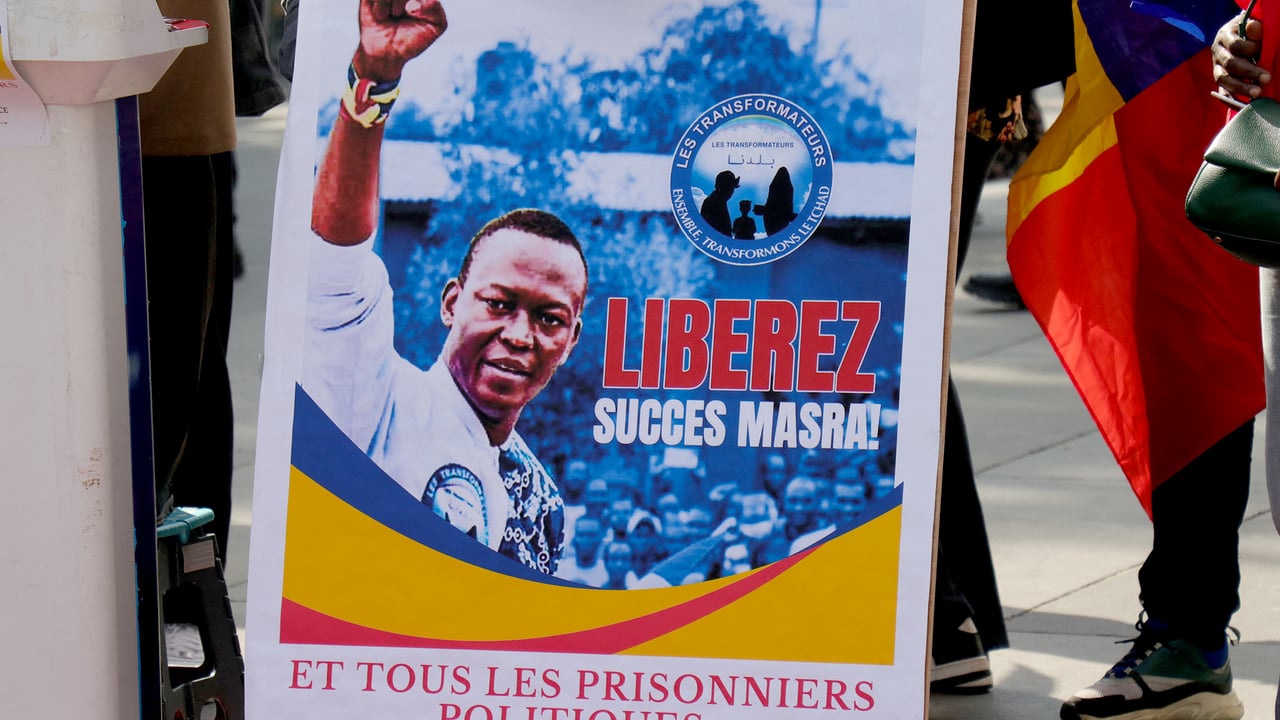
For an entire year, Succès Masra, a prominent Chadian opposition leader, navigated a precarious path between incarceration and clandestine negotiations with the transitional authorities. His detention, which began over a year ago, became a focal point in the nation’s political discourse, sparking protests both domestically and among the diaspora.
The saga unfolded against the backdrop of Chad’s transitional government, led by Mahamat Idriss Déby Itno, as it sought to address the demands of civil society and opposition groups. Masra’s case emerged as a litmus test for the government’s commitment to inclusive governance and the rule of law.
Unseen pressure behind closed doors
Behind the scenes, a delicate dance of diplomacy unfolded. While Masra remained behind bars, secret talks aimed at resolving his situation intensified. These negotiations, shrouded in confidentiality, reflected the government’s strategy to balance firmness with conciliation—a tactic often employed in crises where public pressure clashes with political expediency.
The talks, though unofficial, carried significant weight. They underscored the government’s recognition of Masra’s influence within opposition circles and the potential consequences of prolonged detention on national stability. Meanwhile, international observers closely monitored developments, wary of any missteps that could escalate tensions.
Diplomatic maneuvers and public outcry
As the months passed, the pressure mounted. The Chadian diaspora, particularly in Europe, amplified its calls for Masra’s release, organizing demonstrations that reverberated across social media platforms. These protests, though distant from N’Djamena, resonated deeply within Chad, fueling debates about democratic freedoms and the legitimacy of the transitional regime.
The government faced a dilemma: uphold the detention as a deterrent to dissent or pursue a negotiated resolution that could ease political tensions. The choice was fraught with risks, each path carrying implications for Chad’s fragile democratic transition.
The turning point
After months of protracted discussions, a breakthrough emerged. Sources indicate that both sides reached a tentative agreement, though details remain under wraps. The breakthrough signaled a shift in the government’s approach, hinting at a willingness to engage in dialogue rather than confrontation.
For Masra, this development offered a glimmer of hope—one that could redefine his political trajectory and, by extension, the future of opposition politics in Chad.
What lies ahead for Chad’s political landscape?
The resolution of Masra’s case is more than a personal victory or defeat; it is a barometer for Chad’s political climate. With the transitional government navigating uncharted waters, the outcome of this saga could set a precedent for how future disputes are handled. Will the government embrace transparency and dialogue, or will it revert to coercive measures?
The answer may well determine whether Chad can steer toward stability or risk further turmoil. As the dust settles, the nation watches, waiting to see whether this chapter closes with reconciliation—or renewed conflict.