
Is Senegal’s president preparing to delay the January 2027 elections?
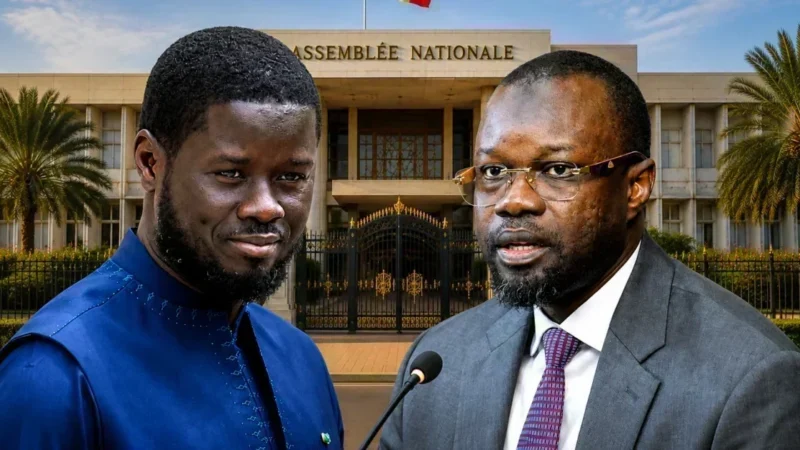
The political landscape in Senegal is heating up as President Bassirou Diomaye Faye’s administration faces growing questions about potential adjustments to the electoral calendar. With the January 2027 presidential vote approaching, speculation is swirling around whether the government could propose postponing the polls—sparking intense debate among citizens and analysts alike.
Context: Electoral promises and new political realities
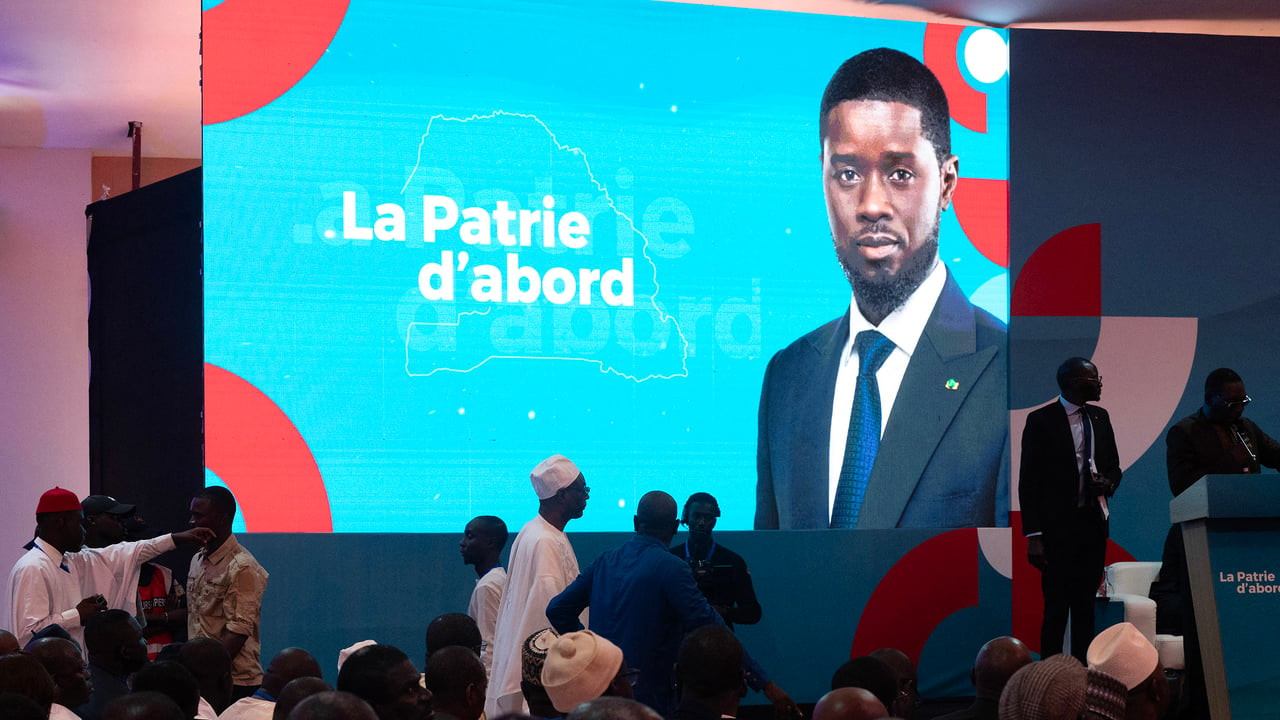
Since taking office, President Faye has championed a platform centered on governance reforms and democratic renewal. His party, Kiiraay – Les Patriotes républicains, emerged from the Patriotic Senegalese Movement, positioning itself as a progressive force in the nation’s political arena. However, the president’s recent maneuvers have raised eyebrows, particularly regarding the timing of the upcoming elections.
Key factors fueling the speculation include:
- Constitutional revisions: Recent amendments have altered the electoral framework, leaving some questioning whether further adjustments could be on the horizon.
- Political opposition mobilization: Critics argue that delaying the vote could consolidate power, while supporters insist it reflects a commitment to inclusive governance.
- Regional stability concerns: With neighboring nations navigating complex political transitions, Senegal’s electoral process is under heightened regional scrutiny.
Potential implications of a delayed vote
A postponement of the January 2027 elections would carry significant consequences for Senegal’s democratic trajectory. Proponents of such a move often cite the need for legal clarity or institutional preparedness, while opponents warn it could undermine public trust in the electoral system.
The debate extends beyond political circles, with ordinary citizens weighing in on whether stability or democratic principles should take precedence. Some analysts suggest that a delay could:
- Allow more time for voter education campaigns to ensure broad participation.
- Provide an opportunity to address lingering security concerns in certain regions.
- Enable further economic reforms that could influence voter sentiment ahead of the polls.
Public reaction and political maneuvering
Reactions to the potential delay have been sharply divided. Civil society groups have organized forums to demand transparency, while government officials have emphasized the importance of thorough preparation. Meanwhile, opposition figures are mobilizing to challenge any perceived attempts to extend the president’s mandate.
As the speculation intensifies, all eyes remain on Dakar, where decisions made in the coming months will shape Senegal’s political future. Whether the January 2027 elections proceed as scheduled—or face postponement—could redefine the nation’s democratic path for years to come.