Revamping Benin’s education system with a unified national curriculum
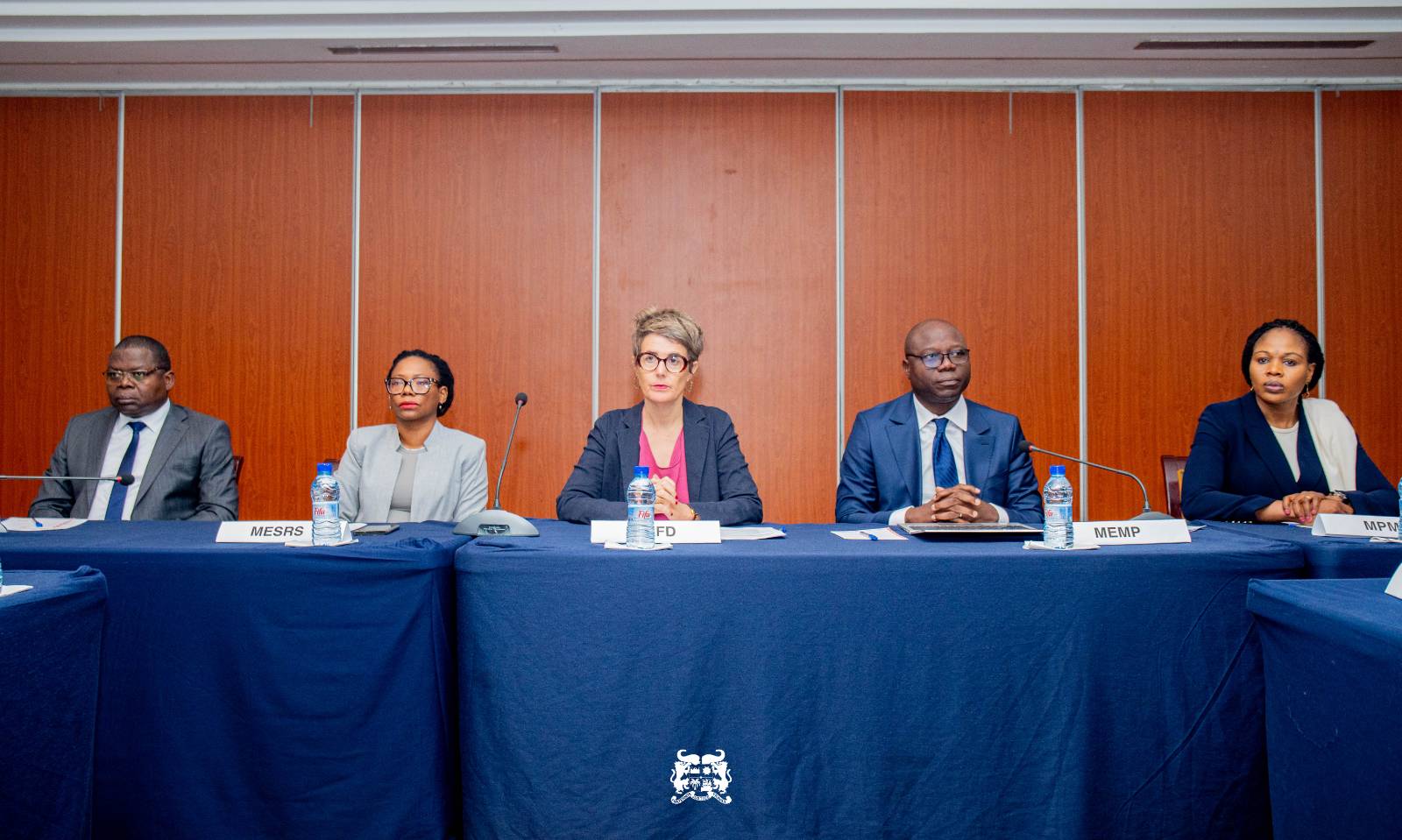
Cotonou hosts historic education reform workshop to align school and university programs
This week, Cotonou is at the forefront of Bénin‘s educational transformation. From June 22 to 26, 2026, the Azalaï hotel is hosting a pivotal workshop to develop a national Curriculum Orientation Framework. Led by Minister Armand Kuyema Natta, this initiative aims to create a cohesive, modern education system aligned with the country’s socio-economic realities, preparing the next generation of citizens.
A groundbreaking ministerial mobilization for youth development
The official launch on June 22, 2026, drew an unprecedented gathering of key stakeholders. Nearly all ministers overseeing Bénin’s education sectors attended, reflecting the reform’s cross-cutting importance. From early childhood to higher education, technical training, and scientific research, every educational level was represented. Also present was a delegate from the National Education Council (CNE) and Ms. Laure Weisgerber, Director of the Agence Française de Développement (AFD), as lead partner.
This unprecedented convergence of political and financial leaders signals Bénin’s commitment to dismantling traditional administrative silos. The reform seeks to move beyond isolated sectoral changes, fostering an inclusive, nationwide dialogue to reshape education holistically.
The curriculum: reflecting Bénin’s societal ambitions
During the opening ceremony, Mr. Wilfried Guezodjè, Permanent Technical Secretary of the Sectoral Education Plan (PSE), outlined the philosophical and technical foundations of the reform. He emphasized that curriculum revision is far more than a technical exercise—it embodies the nation’s collective choices for its youth.
« A curriculum is not just a pedagogical document; it is a reflection of the society we want to build. It defines what our children learn and, most importantly, the kind of citizens they will become, » stated Mr. Guezodjè. He described the process as « demanding yet hopeful, » with the shared goal of equipping every Béninese child with the skills for personal growth and future employability. The challenge lies in balancing local relevance with international quality standards.
Breaking silos: the need for a unified educational approach
The morning’s highlight was Minister Armand Kuyema Natta’s speech, where he candidly assessed past reforms. While the government had successfully updated primary and secondary programs, these efforts were piecemeal. « Isolated curriculum updates, no matter how thorough, are insufficient, » the minister asserted.
The new Curriculum Orientation Framework ensures seamless transitions—from primary to secondary and from high school to university—by establishing a continuous methodological thread. This continuity is the missing link the framework aims to provide, serving as a shared compass for all education levels.
International backing for a transformative project
A reform of this scale requires robust partnerships. Ms. Weisgerber, representing the AFD, reaffirmed her institution’s unwavering support for Bénin’s vision. International partners view this reform as a structural breakthrough, maximizing the impact of investments in education. By aligning programs with labor market demands—particularly in technical and vocational training—Bénin is positioning itself to curb youth unemployment and drive economic growth.
A decisive milestone for Bénin’s future
The Cotonou workshop, concluding on June 26, marks a renewed social contract between the state, teachers, families, and learners. By prioritizing harmonized programs, Bénin is choosing coherence over haste. Drafting the national Curriculum Orientation Framework is a major milestone, and while implementation challenges remain, the political will demonstrated this week—backed by international partners—points to a promising future for Bénin’s schools. An education system that is more unified, inclusive, and future-focused.