Port autonome de Lomé paralysed by 72-hour strike
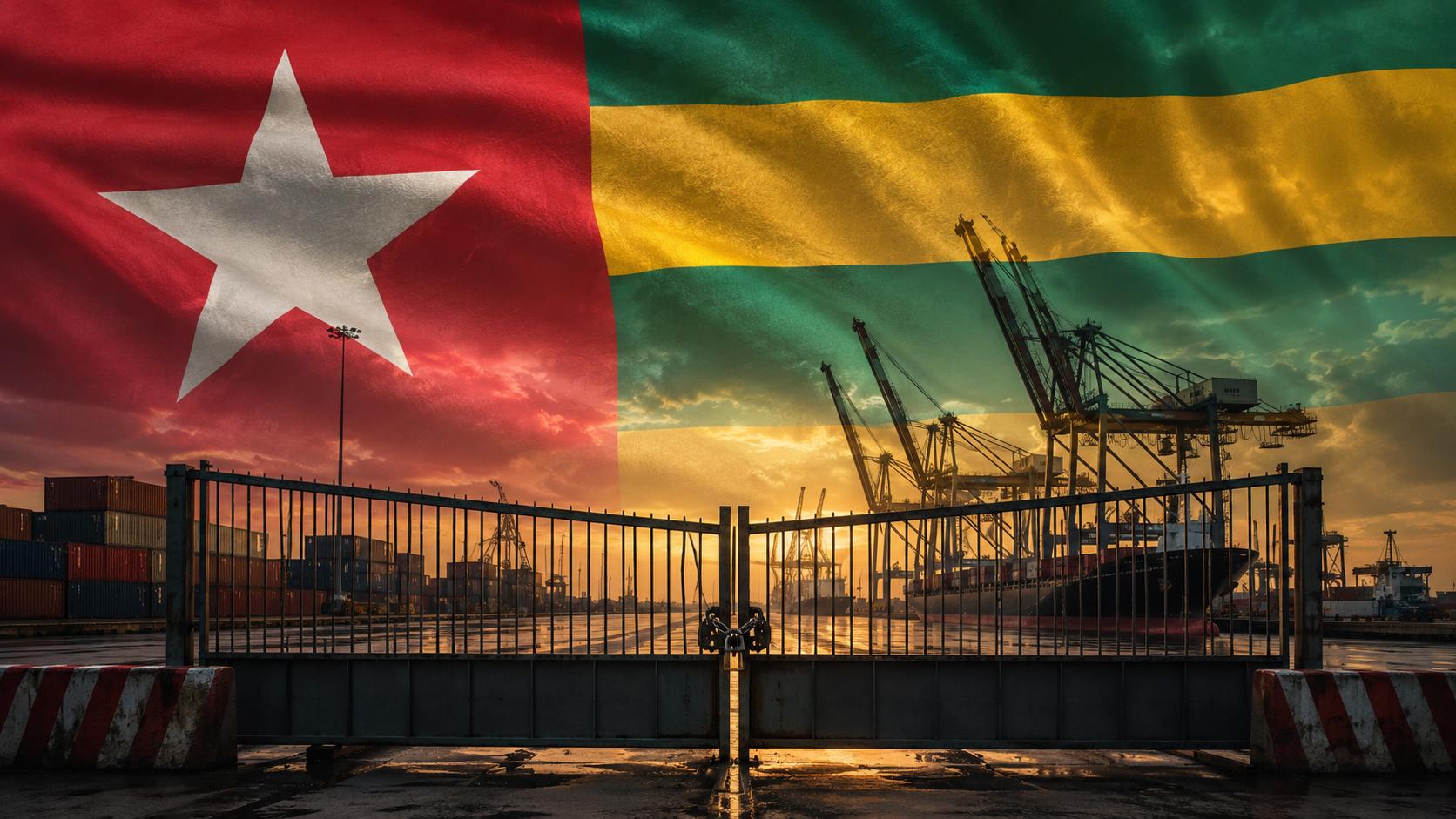
The Port Autonome de Lomé (PAL) has been operating at a fraction of its capacity since early Tuesday, August 11, 2026, following a 72-hour strike initiated by its workforce. The industrial action, led by the Syndicat des agents du Port Autonome de Lomé (SYAPAL), commenced at 5:00 AM and is set to conclude at 11:59 PM on Thursday, August 13. This disruption has cast a shadow over the Togo-based port, which serves as the economic backbone of the nation, triggering concerns over lasting repercussions.
Underlying grievances fueling the walkout
The strike stems from long-standing frustrations among PAL employees, who are demanding urgent reforms in both their working conditions and career progression. Key among their concerns are unmet wage adjustments, irregularities in career path regularization, and the strict enforcement of existing labor regulations governing port operations. These issues have simmered for months, but the situation escalated after the SYAPAL leadership labeled recent negotiations as futile.
The arrival of Kokou Edem Tengue as the new director-general in July was initially seen as an opportunity to bridge divides. However, the union contends that the administration’s approach has been insincere, culminating in what they describe as a breakdown in trust. The failure to address these concerns through dialogue has now pushed the workforce to take decisive action.
Potential fallout from a prolonged shutdown
While the current strike is limited to 72 hours, the SYAPAL has not ruled out extending the industrial action if their demands remain unmet. A prolonged shutdown could have severe consequences, including:
- Full operational paralysis: A prolonged strike risks halting all handling, loading, and offloading activities, crippling the port’s ability to function.
- Regional logistical chaos: As a critical transshipment hub in West Africa, any sustained disruption could lead to severe congestion at container terminals, forcing shipping companies to reroute vessels to alternative ports and inflating operational costs.
- Sahel supply chain disruptions: The PAL is the lifeline for landlocked nations such as Burkina Faso, Niger, and Mali. A prolonged halt in operations could trigger shortages of essential goods and fuel inflationary pressures across the subregion.
With the strike deadline looming, both the government and PAL’s management are under mounting pressure to engage in genuine, transparent negotiations with worker representatives. Failure to reach a resolution risks exacerbating an already volatile situation, with ripple effects felt far beyond Togo’s borders.