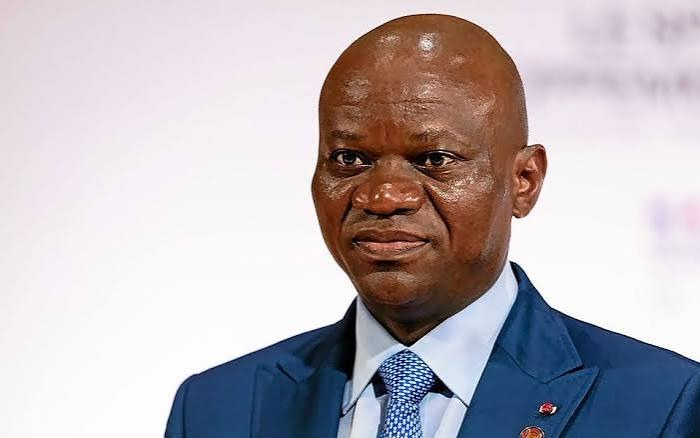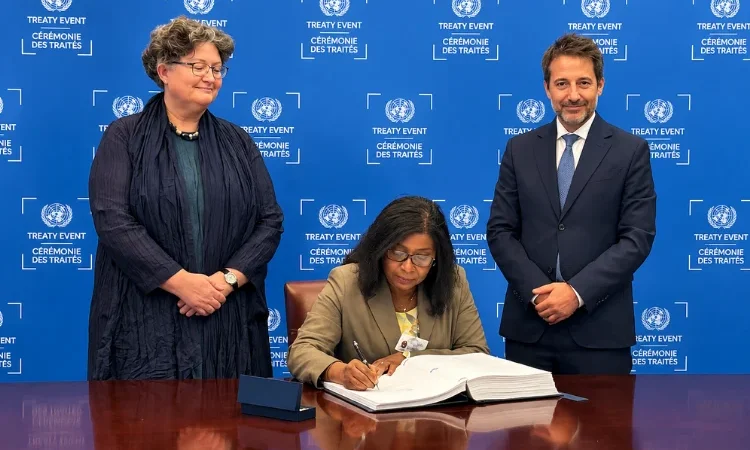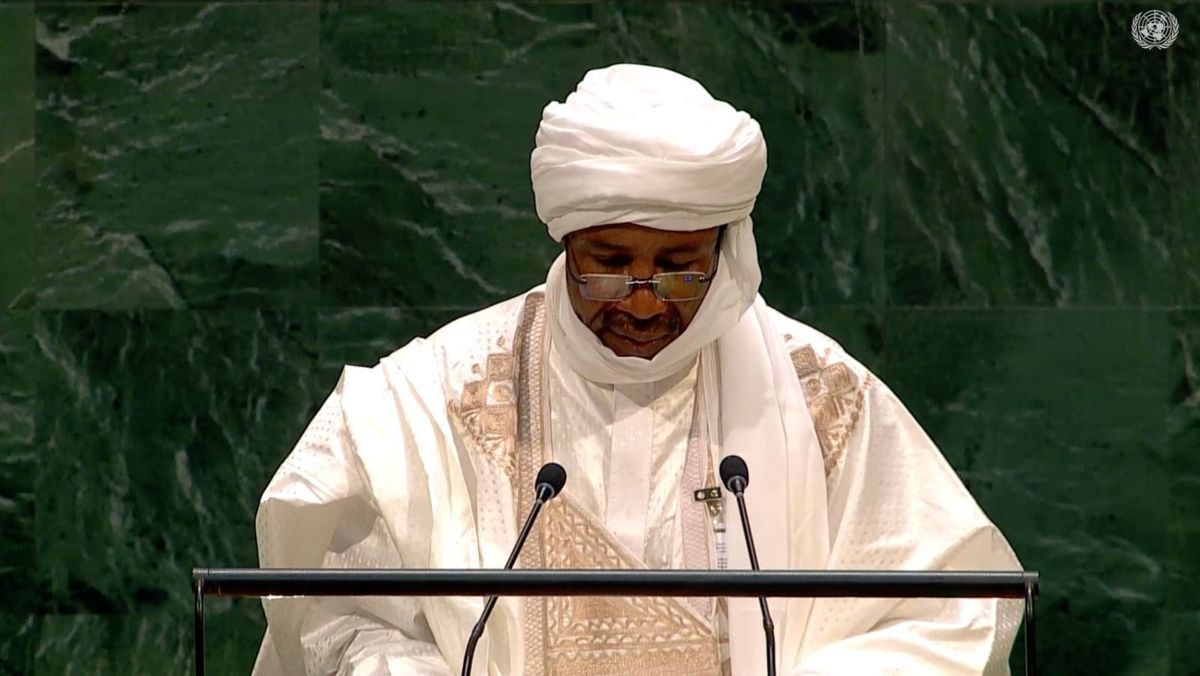
At the 81st United Nations General Assembly, Chad issued a direct and uncompromising statement regarding recent aerial incursions into its territory. Speaking through Dr. Abdelmadjid Abdelrahim Mahamat, the country’s Minister of Public Health and Prevention, Chad condemned foreign air strikes in Ennedi-Est as a clear violation of its sovereignty and warned of potential retaliation if such actions persist.
Chad’s UN address: a call for accountability and regional stability
The Chadian delegation highlighted the nation’s long-standing commitment to peacekeeping and humanitarian efforts across Africa. Dr. Mahamat emphasized Chad’s role in stabilizing crisis zones, including the deployment of 1,500 troops to Haiti as part of a UN-mandated security force. He also underscored the country’s substantial role in combating regional insurgencies and maintaining security in the Sahel.
Chad’s message extended beyond security, addressing the worsening humanitarian crisis in the Lake Chad Basin. With over two million displaced persons—including more than a million Sudanese refugees—N’Djamena stressed the urgent need for sustained international support to address climate resilience and humanitarian funding gaps. The country reiterated its neutral stance in the Sudanese conflict while advocating for diplomatic solutions to regional instability.
Ennedi-Est strikes: a turning point in Chad’s foreign policy
Central to Chad’s UN address was its condemnation of recent air strikes in Ennedi-Est. The government described the incursions as a deliberate breach of national sovereignty and warned that further violations would not go unanswered. This stance reflects a hardening of Chad’s diplomatic posture toward neighboring states and international actors whose actions, intentional or not, have crossed red lines.
The minister also addressed broader geopolitical tensions, condemning aggression against sovereign nations such as Iran, Cuba, and those in the Gulf region. Chad reaffirmed its support for a two-state solution in the Middle East and called for a comprehensive reform of multilateral institutions to better reflect current global realities.
What Chad’s UN warning means for Africa’s security landscape
Chad’s firm stance at the UN signals a potential shift in regional security dynamics. By publicly addressing the Ennedi-Est strikes and other violations, the country is asserting its role as a key player in West and Central African stability. Analysts suggest that this proactive approach could pressure neighboring states to respect territorial integrity and engage in diplomatic resolution of cross-border disputes.
The warning also underscores the volatility of the Sahel region, where climate change, armed conflict, and geopolitical rivalries continue to destabilize communities. Chad’s call for greater international accountability reflects growing frustration among Sahelian nations over unmet financial commitments and delayed security support.

Chad’s next steps: from diplomacy to deterrence
While Chad continues to prioritize diplomatic engagement, its warning of potential retaliation signifies a willingness to escalate if necessary. The government has not specified the nature of its response but has made it clear that sovereignty violations will have consequences. This strategy may encourage neighboring states to reassess their military operations near Chad’s borders and seek alternative approaches to regional security.
As Chad navigates an increasingly complex geopolitical environment, its leadership is balancing humanitarian commitments with a firm defense of national integrity. The outcome of this diplomatic confrontation could set a precedent for how African nations respond to similar challenges in the future.