Senegal’s bold electoral reform: MPPD’s Khalidou Sokoma pushes for full proportional representation
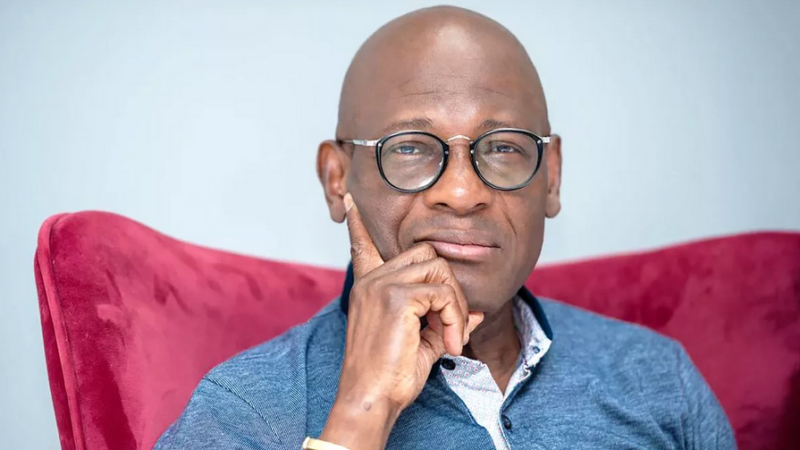
Senegal’s political landscape is on the brink of a transformative shift as Khalidou dit Mbaye Sokoma, leader of the Patriotic Movement for Sustainable Development (MPPD) / AND DEFAR SUNU REEW, declares the nation’s electoral system fundamentally flawed and in urgent need of reform. His proposal, presented as a roadmap to democratic renewal, targets a core issue: ensuring every vote translates into fair representation.
Why Senegal’s current electoral system falls short
Under the current framework, Senegal’s legislative elections blend a single-round list-based majority system with proportional representation. Of the 165 seats in the National Assembly, 112 are allocated through majority voting and 53 via national-list proportional representation. Similarly, municipal elections divide seats into 45% majoritarian and 55% proportional allocations.
Khalidou dit Mbaye Sokoma contends that this hybrid model fails to deliver true proportionality, leaving significant portions of the electorate underrepresented. The disconnect between votes cast and seats won, he argues, distorts the democratic process and erodes public trust in governance.
Five pillars for a fairer and more inclusive democracy
1. Transitioning to full proportional representation
At the heart of the proposal is the call for a complete shift to proportional representation for both legislative and local elections. This move aims to ensure parliamentary seats mirror the actual distribution of voter preferences, eliminating the distortions caused by majority-vote allocation.
Beyond seat distribution, the plan emphasizes the need for candidates to emerge from local communities—not just political parties. Independent candidates, grassroots movements, and civil society representatives would gain clearer pathways to political office, anchoring elected officials in the realities of their constituents’ lives.
2. Redefining the role of MPs: from party delegates to community representatives
This reform seeks to dismantle the perception of legislators as mere party proxies. Under the new model, deputies would be directly accountable to the territories they represent, not exclusively to political structures. Parties would retain their organizational roles but lose their monopoly on representation, fostering closer ties between citizens and their elected leaders.
3. Strengthening local elections with a second-round backup
The proposal tackles instability in local governance by introducing a second round for municipal and departmental elections when no list secures an absolute majority (50%+). This ensures clearer mandates and reduces fragmentation in local councils, while legal and financial feasibility studies would precede implementation.
4. Decentralizing election administration
To enhance transparency and local engagement, the plan advocates for greater involvement of regional administrators—prefects and sub-prefects—in election logistics. This territorialized approach would improve collaboration with local authorities while upholding strict impartiality standards under national oversight.
5. Kaolack’s blueprint: smaller, more responsive municipal units
Highlighting Kaolack’s rapid urban expansion and massive population (1.3 million in 2023), the proposal recommends dividing the city into three or four smaller municipal districts. Criteria for this reorganization include demographics, infrastructure, economic activity, fiscal resources, and administrative capacity—ensuring governance keeps pace with citizens’ needs.
A call for national consensus on electoral justice
The crux of Khalidou dit Mbaye Sokoma’s vision is that democracy’s strength lies in the tangible link between a citizen’s vote and their representative’s accountability. By advocating for a nationwide, evidence-based debate, he positions this reform as an opportunity to build a system where every neighborhood, village, and city can shape its political future.