China market access for Benin’s AEO firms: the real economic ripple effects
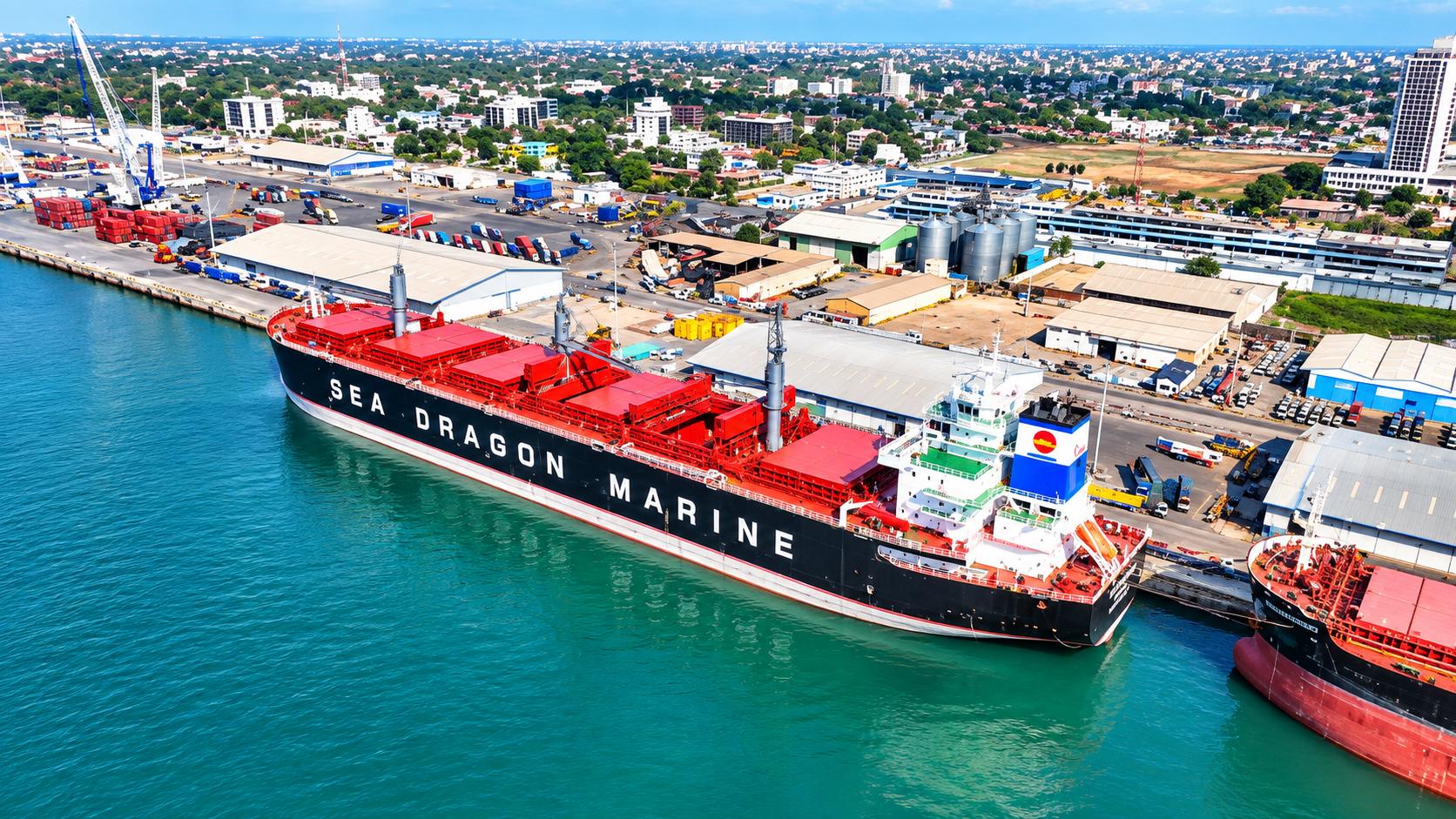
The implementation of the mutual recognition agreement for the Authorized Economic Operator (AEO) program between Benin and China is not just a diplomatic milestone. It is a concrete shift that affects the daily operations of Beninese businesses, the cost of their goods, and the country’s broader economic trajectory. For certified companies, the door to the Chinese market now opens with fewer obstacles, but the consequences extend far beyond the customs office.
What the AEO certification actually changes for local exporters
The AEO status, granted by Benin Customs to companies that meet strict criteria on tax compliance, financial solvency, and supply chain security, has become a valuable asset. With the mutual recognition signed with Chinese customs authorities, shipments from Beninese AEOs receive preferential treatment upon arrival in Chinese ports. The practical effects are immediate and measurable:
- Drastically reduced inspections: Physical and documentary checks at customs clearance are significantly lowered.
- Priority processing: Cargo moves faster across borders and gets prioritized when logistics chains face disruptions.
- Lower logistics costs: Substantial time savings translate into reduced storage and container detention fees.
The Glo-Djigbé industrial zone as a direct beneficiary
This strategic opening comes as Benin accelerates its policy of processing raw materials locally. Industrial units in the Glo-Djigbé Industrial Zone (GDIZ), which specialize in transforming soybeans, cashew nuts, cotton, and shea, now hold a major comparative advantage in meeting Chinese demand. By cutting administrative red tape at the borders, certified SMEs and large Beninese companies boost their competitiveness against international rivals, reinforcing Benin’s position as a dynamic logistics and industrial hub in West Africa.
Real-world consequences for the Beninese economy
The benefits are not confined to the exporting firms themselves. Faster customs procedures mean quicker turnover, which can lead to job creation in logistics, warehousing, and transport. For the wider economy, increased exports to China could bring in foreign currency, stabilize trade balances, and encourage further investment in local processing industries. Consumers may eventually see more stable prices for certain goods as supply chains become more efficient. However, the gains depend on how many companies actually obtain and maintain AEO certification, and on whether the promised facilitations are consistently applied at Chinese ports.
Challenges that could limit the impact
While the agreement offers a clear pathway, not all Beninese businesses are ready to meet AEO standards. The certification process demands rigorous internal controls, which can be costly for smaller enterprises. Additionally, the mutual recognition must be effectively enforced on both sides. Any gap in implementation could erode the expected benefits. For now, the direction is positive, but the true test will be in the volume of shipments and the number of firms that seize the opportunity.