Cameroon moves quickly to assess Libya’s direct flight offer between Tripoli and Yaoundé.
Government responds to Libya’s bold aviation initiative
The Cameroonian Ministry of Transport is wasting no time evaluating a bold proposal from Libya to launch direct flights between Tripoli and Yaoundé. On September 23, 2026, Minister Jean Ernest Masséna Ngallè Bibehè received a Libyan delegation led by Adel Shawi, chargé d’affaires at the Libyan embassy in Cameroon. The high-level meeting focused exclusively on the feasibility and structure of this potential air route.
The initiative has been met with cautious optimism in Yaoundé. Cameroonian authorities emphasize the need for in-depth technical analysis before any commitment is made. The government is not simply accepting the offer—it is actively shaping the terms of engagement through specialized working groups.
Technical teams mobilized to assess feasibility
Following the meeting, Cameroon announced the formation of dedicated technical task forces composed of aviation experts, logistics specialists, and economic advisors. These groups are tasked with evaluating several critical dimensions of the proposed route:
- Regulatory compliance: Ensuring alignment with international aviation standards and bilateral agreements
- Operational readiness: Assessing airport infrastructure, maintenance facilities, and air traffic management capabilities in both countries
- Safety and security protocols: Reviewing Libyan aviation safety records and potential risks given ongoing regional instability
- Economic impact analysis: Modeling passenger demand, cargo opportunities, and trade facilitation benefits
These teams are expected to deliver preliminary findings within six weeks, with a final report due before the end of the first quarter of 2027.
Libya advances its aviation comeback
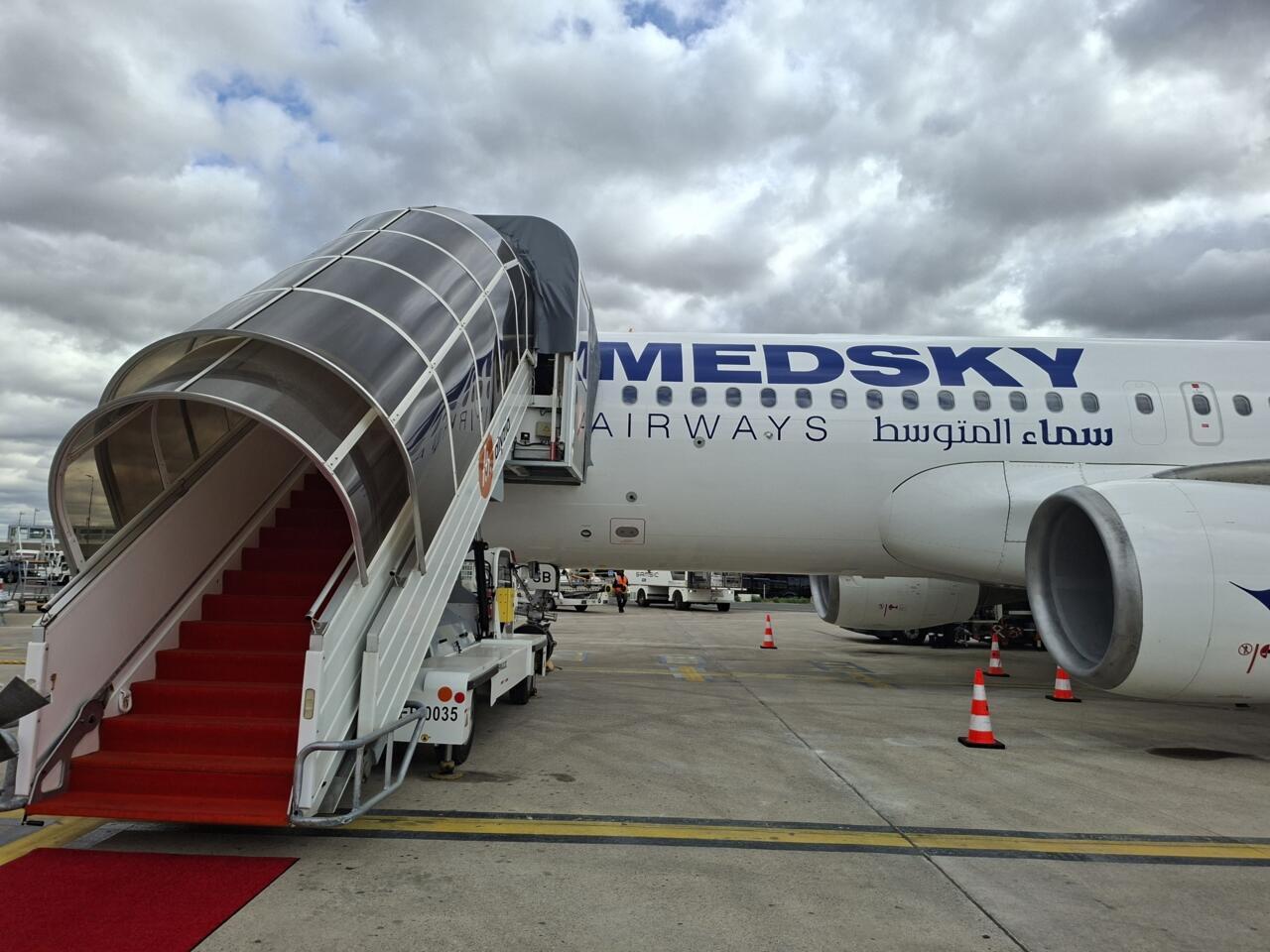
Libya’s push for this route comes as the country gradually reopens its airspace after years of international restrictions. On September 17, 2026, Libyan carrier MesSky launched its first direct flight from Tripoli to Paris, with additional services planned from Benghazi. This marks a significant step in Libya’s aviation recovery, despite lingering security concerns.
The proposed Tripoli–Yaoundé route would be a strategic corridor connecting North and Central Africa, potentially reducing travel times between major economic hubs. For Cameroon, it could mean faster access to North African markets, enhanced tourism potential, and stronger logistical integration with Libyan ports and supply chains.
What’s next for the proposed air link?
The next phase involves high-stakes negotiations between aviation authorities from both nations. Key deliverables include:
- Drafting a bilateral air services agreement
- Finalizing flight schedules, capacities, and pricing structures
- Setting up joint airport access and customs procedures
- Establishing emergency response and contingency plans
Industry analysts suggest that if the project advances smoothly, the first commercial flights could launch by late 2027 or early 2028. However, experts caution that regional security dynamics and regulatory hurdles remain significant variables.
For now, Cameroon is taking a deliberate, evidence-based approach—balancing opportunity with responsibility. The working groups are not just studying the proposal—they are designing the future of Cameroon–Libya aviation relations.