Intellectual legacy at Senegal’s Cheikh Anta Diop University
intellectual legacy at Senegal’s Cheikh Anta Diop University
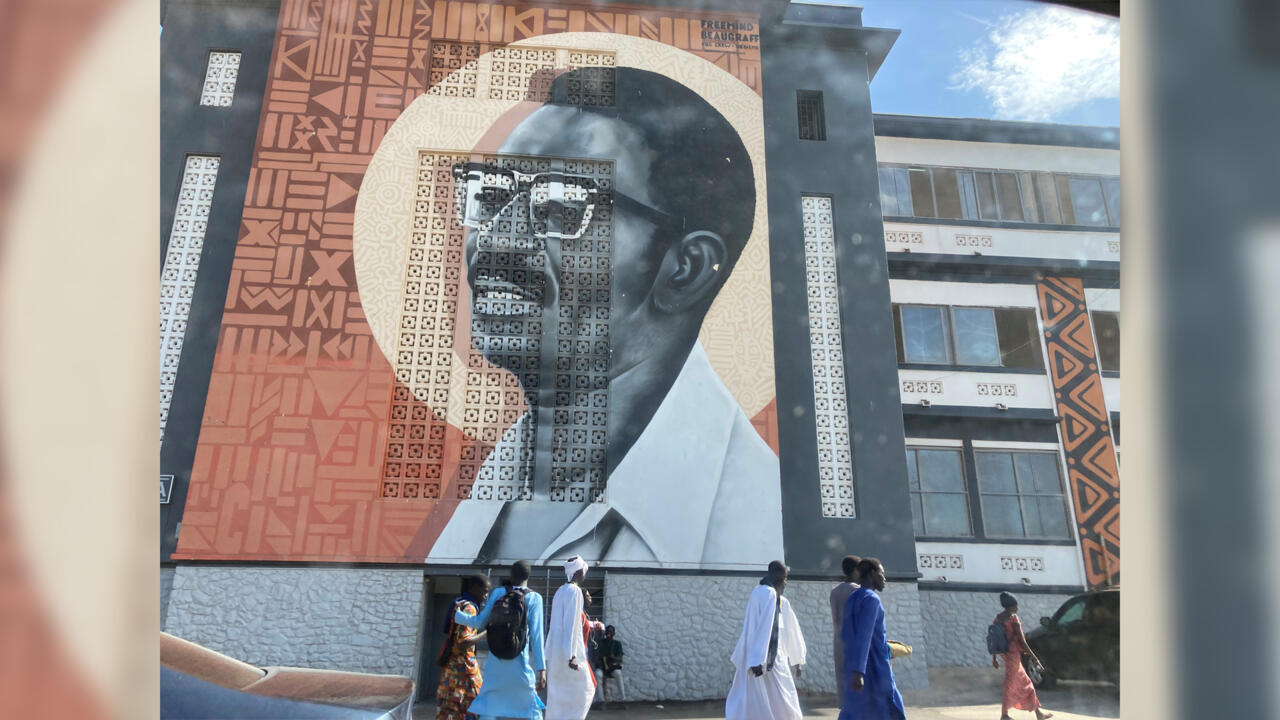
The campus of Cheikh Anta Diop University in Dakar holds more than just academic knowledge – it carries the echoes of a fierce intellectual battle that shaped modern African thought. In the 1970s, as Senegal navigated its post-colonial identity, the university became a battleground between two visions of Africa’s future.
Two visions of African renaissance
In the 1970s, Senegal was grappling with its identity following independence. The dominant narrative came from President Léopold Sédar Senghor, who championed négritude – a philosophy that emphasized African cultural pride while embracing French language and thought. Yet, within the very walls of the University of Dakar (now Cheikh Anta Diop University), a radical alternative was taking shape.
Cheikh Anta Diop, one of Africa’s most brilliant minds, challenged Senghor’s vision. His groundbreaking work, Nations nègres et culture (published in 1955), argued that ancient Egyptian civilization was fundamentally African, rooted in black identity. This assertion directly contradicted Senghor’s Hellenistic view of reason versus emotion. “Senghor believed that ’emotion is black, reason is Hellenic,'” explains historian Buuba Diop, who studied there during that era. “Cheikh Anta Diop couldn’t agree with that.”
a scientific revolution on campus
The debate extended beyond philosophy to history itself. Cheikh Anta Diop proposed that African civilization should reclaim its Egyptian origins as a foundation for renewal. “The question of Egypt’s role in African civilization was central,” notes sociologist Fatou Sow, another former student. “Senghor respected him as a brilliant thinker but disagreed fundamentally with his ideas. They engaged in a decades-long intellectual duel, responding to each other in books, articles, and public forums.”
Despite his intellectual stature, Cheikh Anta Diop faced institutional barriers. For over a decade, he was barred from teaching history at the university. Relegated to the Institut fondamental d’Afrique noire, he turned to groundbreaking research, establishing a carbon-14 dating laboratory that merged nuclear physics with African origins studies.
the campus as a stage for dissent
The university corridors, often echoing with political activism, became a platform for Cheikh Anta Diop‘s ideas. “African historians’ association organized a conference on ancient Mediterranean civilizations,” recalls Fatou Sow. “His name wasn’t on the agenda. Students intervened, insisting he had to be part of the discussion. When he finally spoke, the auditorium fell silent. He delivered a powerful lecture, speaking alone to a captivated audience. That moment marked a turning point.”
His influence persisted even in adversity. Though he never secured a formal teaching position, his ideas permeated the student body. “The majority of students opposed Senghor’s policies,” explains Buuba Diop. “Student organizations were dissolved, and socialist party supporters were in the minority. That’s how we ended up in that situation.”
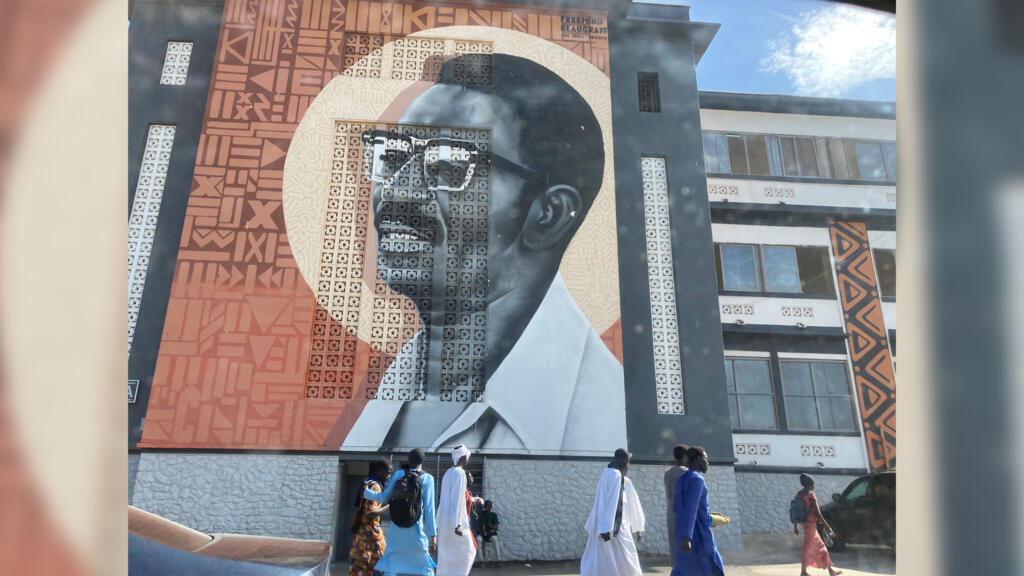
After Cheikh Anta Diop‘s death in 1986, the university was renamed in his honor – a belated recognition in the eyes of many who had followed his work. Yet, the language he championed, Wolof, remains absent from the curriculum at the institution that bears his name.
a lasting intellectual legacy
Today, Cheikh Anta Diop University stands as a testament to his legacy, though not without contradictions. While his name graces the halls, his vision of African linguistic and cultural renaissance remains unrealized within its walls. The debates he sparked continue to resonate, challenging each new generation to reconsider Africa’s place in world history.
The university’s intellectual ferment in the 1970s was not just about opposing a president’s philosophy – it was about redefining what it means to be African in a post-colonial world. Cheikh Anta Diop‘s ideas, once marginalized, now form a cornerstone of modern African historiography, proving that even the most contested voices can shape history.