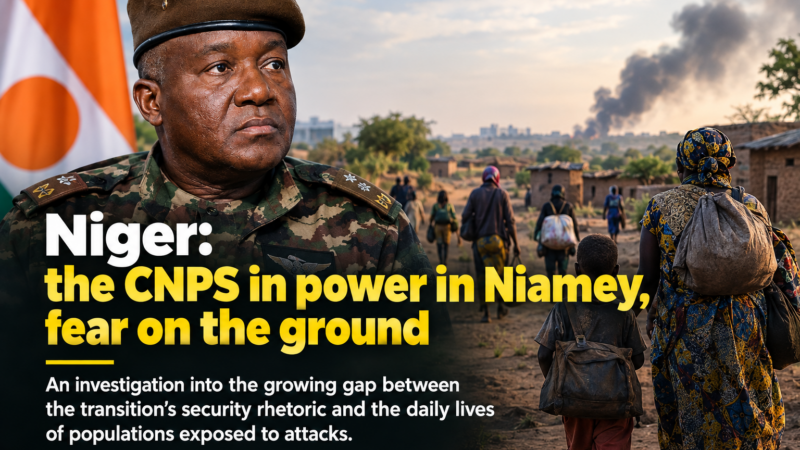
Sahel’s human cost of Russia’s exclusive military partnerships
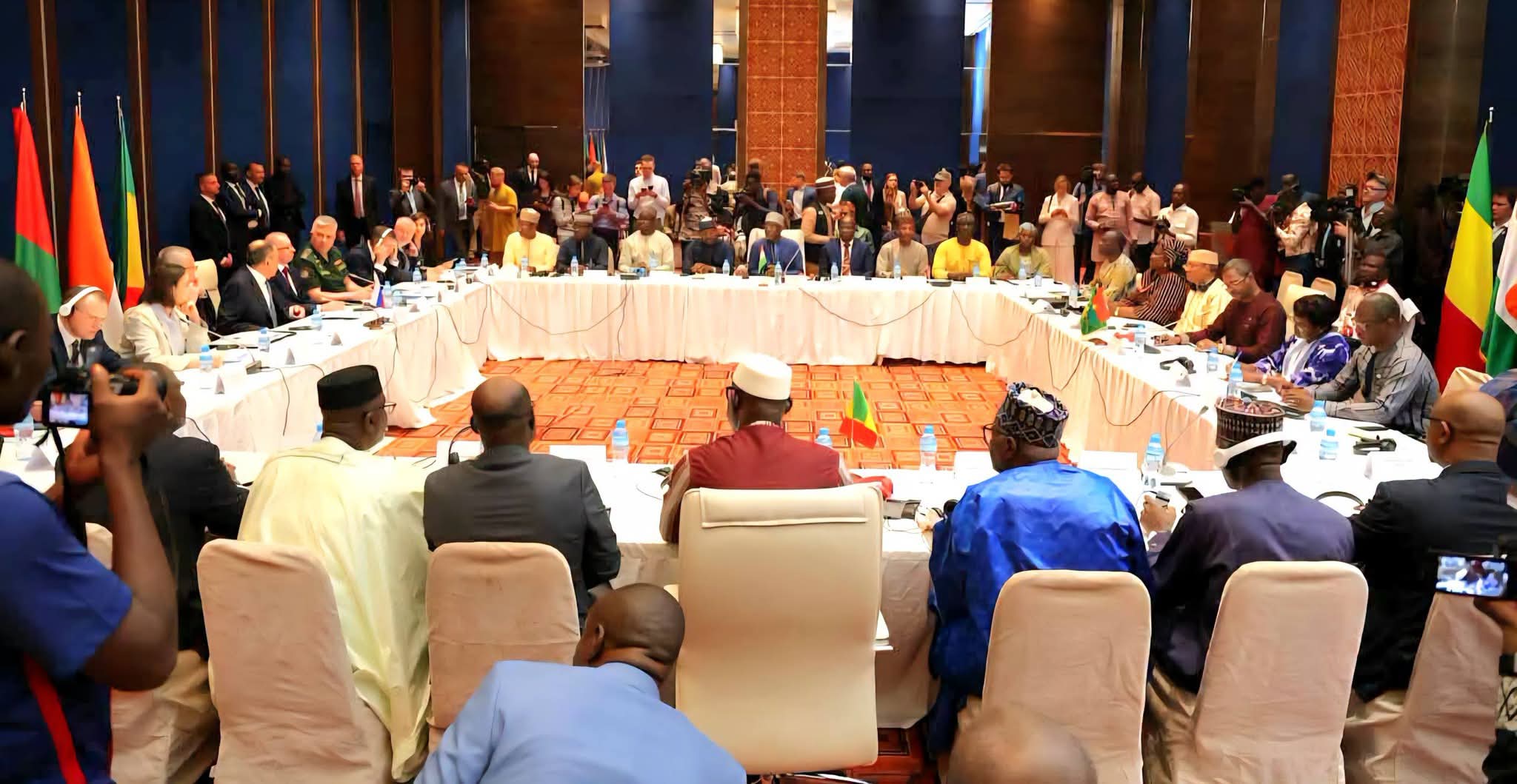
Russian officials have reaffirmed their commitment to continuing military support for Mali, Burkina Faso, and Niger. For the leaders of the Alliance of Sahel States (AES), this cooperation is framed as a symbol of regained sovereignty and a definitive break from former Western partners. Yet beneath the carefully crafted political narrative lies a far grimmer reality: violence continues to escalate, and the civilian population is bearing an increasingly unbearable burden.
Security promises that have yet to materialize
The rationale behind the AES’s strategic shift was straightforward: severing ties with Western allies would yield faster, more decisive results in the fight against armed groups. Yet years after this policy change, the outcome remains deeply ambiguous. Despite an influx of advanced weaponry, drones, and Russian military assistance, terrorist attacks persist across the three nations. Military outposts are frequently targeted, entire villages live under the constant threat of armed incursions, and tens of thousands of civilians have been displaced from their homes.
Data from the Armed Conflict Location & Event Data Project (ACLED) reveals that in 2025 alone, over 10,000 people lost their lives in political violence across Burkina Faso, Mali, and Niger—cementing the Sahel as one of the world’s most volatile regions.
A humanitarian crisis deepening with each passing day
The human toll extends far beyond casualties. The Sahel now faces a humanitarian emergency of staggering proportions.
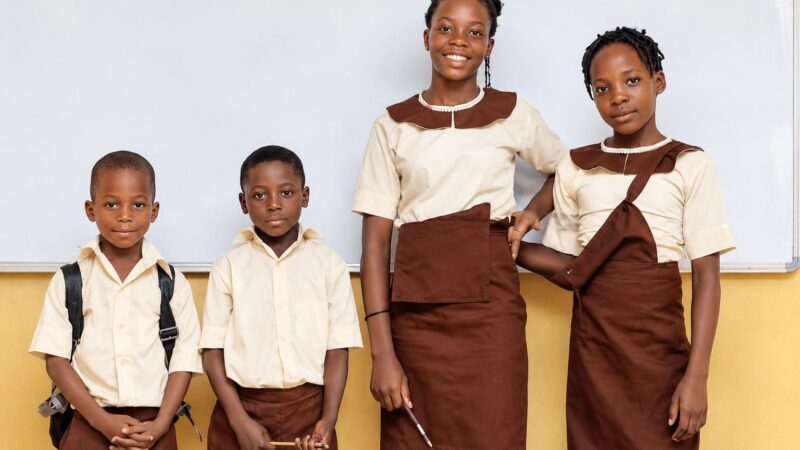
According to UNHCR figures, more than five million people have been forcibly displaced or affected by mass population movements due to persistent insecurity. Thousands of schools remain shuttered, depriving an entire generation of education, while access to medical care grows increasingly precarious in the most exposed zones. Each new attack triggers fresh waves of displacement, abandoned villages, and paralyzed local economies.
The escalating financial burden of prolonged conflict
The war exacts an enormous economic cost. Military budgets swell, arms purchases multiply, and security expenditures consume a growing share of public funds. Meanwhile, critical sectors such as healthcare, education, agriculture, and infrastructure remain critically underfunded. The longer the conflict drags on, the more governments are forced to choose between sustaining military operations and investing in long-term solutions to address the root causes of insecurity.
A growing strategic dependence
The exclusive partnership with Moscow has fostered a cycle of increasing dependence. As security conditions fail to improve, authorities are compelled to seek additional military aid, equipment, and training from their Russian partners. Paradoxically, each deterioration in the security situation only reinforces the perceived indispensability of Russia’s support in counterterrorism efforts.
This raises a fundamental question: Can a strategy that relies ever more heavily on external assistance truly be portrayed as an assertion of national sovereignty?
Russia’s expanding influence in the Sahel
In this context, Russia has emerged as one of the principal geopolitical beneficiaries. Every new military agreement strengthens its diplomatic foothold on the African continent. Each shipment of weapons solidifies its strategic presence. Each security partnership expands its network of alliances in a region rich in natural resources—particularly gold and uranium. Beyond the military dimension, Moscow is also expanding its political, economic, and informational influence, positioning the Sahel as a key pillar of its African strategy.
A political victory, not a military one?
The juntas’ stated goal was to swiftly restore security. Yet several years into their exclusive partnership with Russia, humanitarian indicators remain dire, attacks continue unabated, and civilian populations still live under the perpetual threat of armed violence.
This does not imply that cooperation with Russia alone is responsible for the deterioration in security. The Sahel conflict is deeply rooted, multifaceted, and fueled by a complex web of political, economic, communal, and regional factors.
Nonetheless, a critical question persists: If this alliance was touted as the decisive solution to terrorism, why do civilians continue to suffer such staggering losses and displacements?
As violence persists, one truth becomes increasingly undeniable: it is the Sahel’s civilians who are paying the highest price. While families mourn their dead, villages empty, and millions are forced to flee their homes, Russia steadily consolidates its strategic influence in the region. The paradox is striking: the longer the conflict drags on, the more indispensable Moscow becomes to military regimes—even as tangible security benefits for local populations remain conspicuously absent.