DRC conflict update: CRP/FRP’s struggle for support in Ituri amid M23 tensions
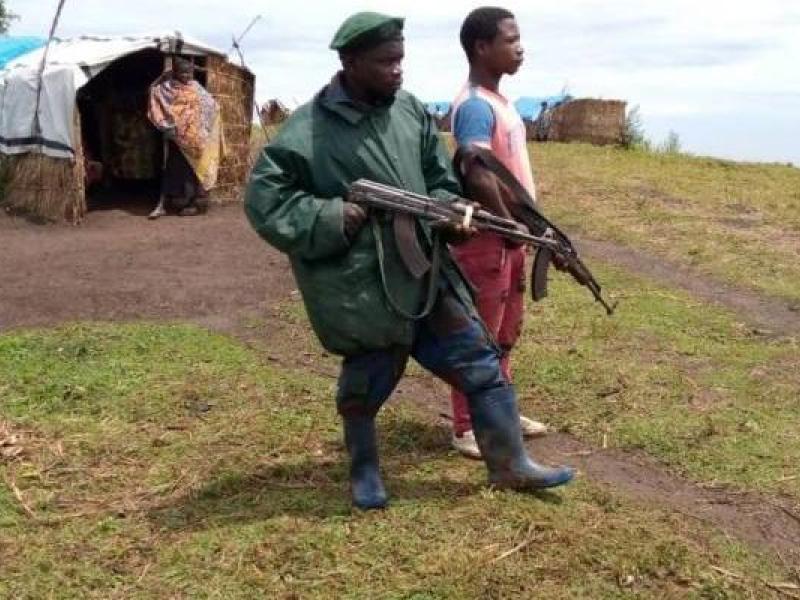
CRP/FRP of Thomas Lubanga fails to gain traction in Ituri despite regional alignments
- Security
The latest United Nations expert report on the Democratic Republic of Congo sheds light on the persistent challenges faced by the Convention for the Popular Revolution/Forces for the Popular Revolution (CRP/FRP), the politico-military movement led by Thomas Lubanga in Ituri province. Despite its declared alignment with the March 23 Movement (AFC/M23), the report confirms the absence of any official cooperation between the two factions.
From ICC Convict to Rebel Leader: Lubanga’s Shifting Alliances
Thomas Lubanga, a former International Criminal Court convict released in 2020, established the CRP in January 2025. The movement positions itself as a response to what it describes as systemic governance failures in the DRC, citing corruption and mismanagement as key grievances. However, the report indicates that Lubanga’s public endorsement of the AFC/M23 in July 2025 has not translated into operational collaboration.
Internal Fragility and Limited Recruitment Success
The CRP/FRP’s leadership, composed of former warlords and exiled figures in Uganda, has suffered from recent defections, weakening its internal cohesion. According to UN experts, the group’s fighting force has grown from approximately 300 combatants in November 2025 to nearly 1,000 by the report’s cutoff date. Recruitment efforts have primarily targeted the Hema community, with some former Zaïre group members joining its ranks. The movement has also attempted to recruit from displaced person camps in Ituri and refugee centers in Uganda, though with limited success.
Efforts to expand beyond its traditional support base have proven particularly challenging. The CRP/FRP’s attempts to recruit Lendu youth have yielded minimal results, and the movement has struggled to secure broader alliances with other armed groups or local communities in Ituri province.
Thomas Lubanga: From War Criminal to Peace Advocate?
Lubanga’s journey since his ICC conviction for war crimes involving child soldiers has been marked by contradictions. Following his 2020 release, he was appointed to a presidential task force aimed at promoting peace in Ituri. Despite these efforts, his political ambitions suffered a setback when his election to the Ituri parliamentary seat was nullified.
The UN experts’ findings underscore the persistent fragmentation within eastern DRC’s armed landscape. The CRP/FRP’s inability to consolidate support or establish meaningful cooperation with the AFC/M23 highlights the complex dynamics of conflict in the region, where historical rivalries and shifting alliances continue to shape the security landscape.