Gabon’s national assembly advances key reforms with 18 bills
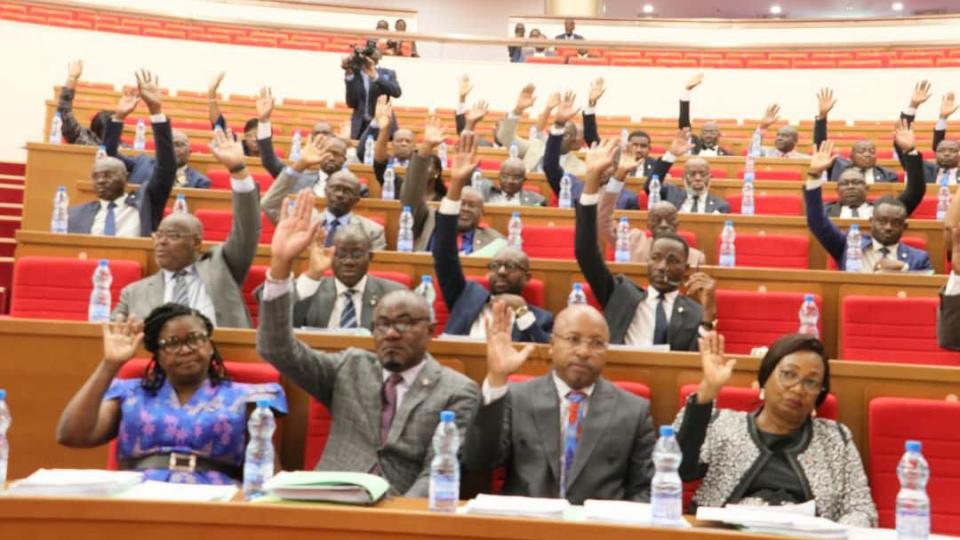
Legislative activity surged on Saturday, June 20, 2026, at the Palais Léon-Mba in Gabon. Under the leadership of institution president Michel Régis Onanga M. Ndiaye, members of parliament convened for a plenary session to deliberate on an extensive array of legislative proposals. This pivotal session, attended by numerous government ministers presenting their respective portfolios, culminated in a powerful political statement: the unanimous approval of all 18 bills put to a vote.
The adopted legislation targets highly strategic sectors, reflecting a profound commitment to modernize state structures under Gabon’s Fifth Republic. Among the significant legislative initiatives sanctioned was the ratification of the ordinance from January 29, 2026, concerning electronic archiving, marking a crucial stride towards the digital transformation of Gabonese public administration.
Deputies also endorsed the restructuring of the High Authority of Communication (HAC) and, critically, fundamental texts impacting citizens’ daily lives: the reform of the Nationality Code and the revision of the land tenure system. This new legal framework aims to safeguard both the rights of the populace and the business environment for investors, bolstering governance Africa.
Strengthened institutional synergy
Beyond partisan divides, the deliberations within the chamber were notably robust. Following the vote, the Executive branch commended the National Representation’s sense of responsibility. This renewed harmony between the government and Parliament exemplifies a shared vision: to solidify the rule of law and implement the structural reforms initiated across the country over the past three years, a positive development in African politics.
To meticulously prepare for this plenary, the National Assembly’s leadership had convened earlier for the traditional Conference of Presidents, finalizing the arrangements for this historic day.
High-pressure session conclusion
However, the respite for parliamentarians will be brief. As the ordinary session’s closure rapidly approaches, the legislative agenda remains exceptionally full. Eight additional bills are already awaiting review by various commissions. These texts will undergo rigorous discussions in ad hoc committees before facing the verdict of a subsequent plenary session.