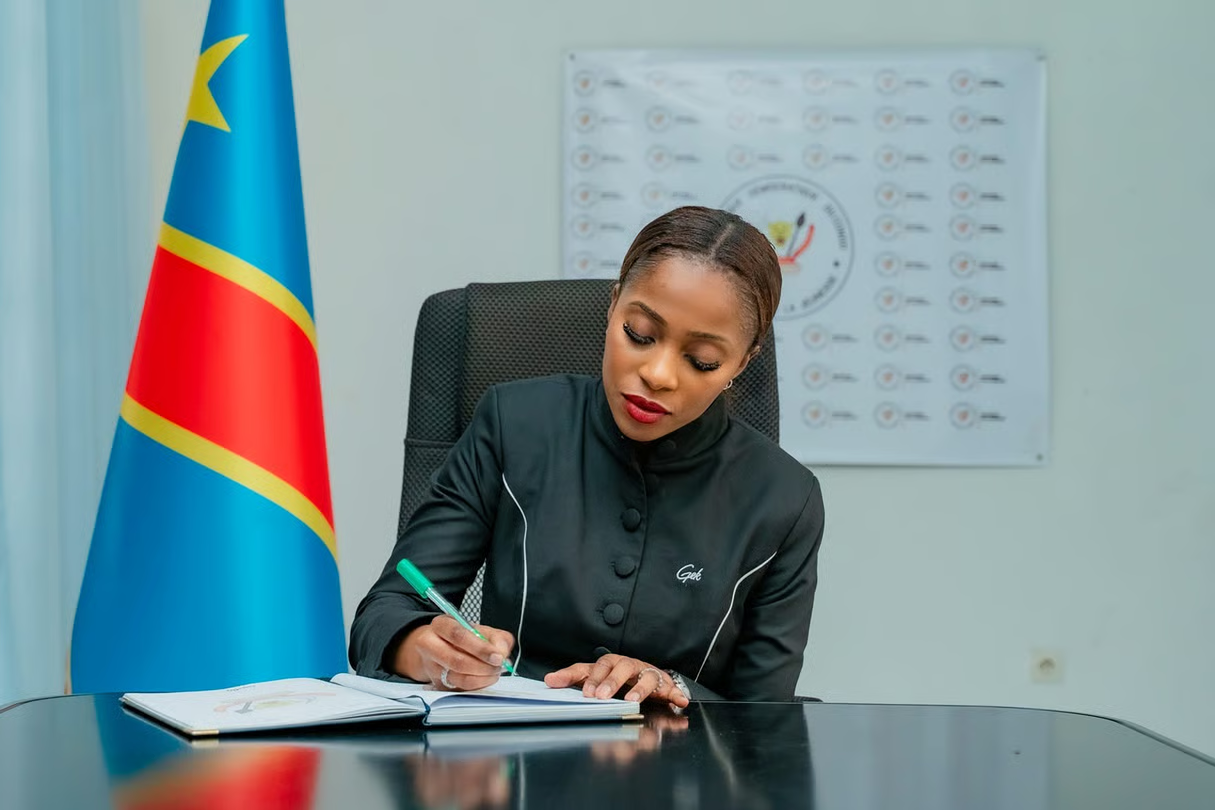
Grâce Kutino’s public remarks ignite constitutional reform discussions in DRC
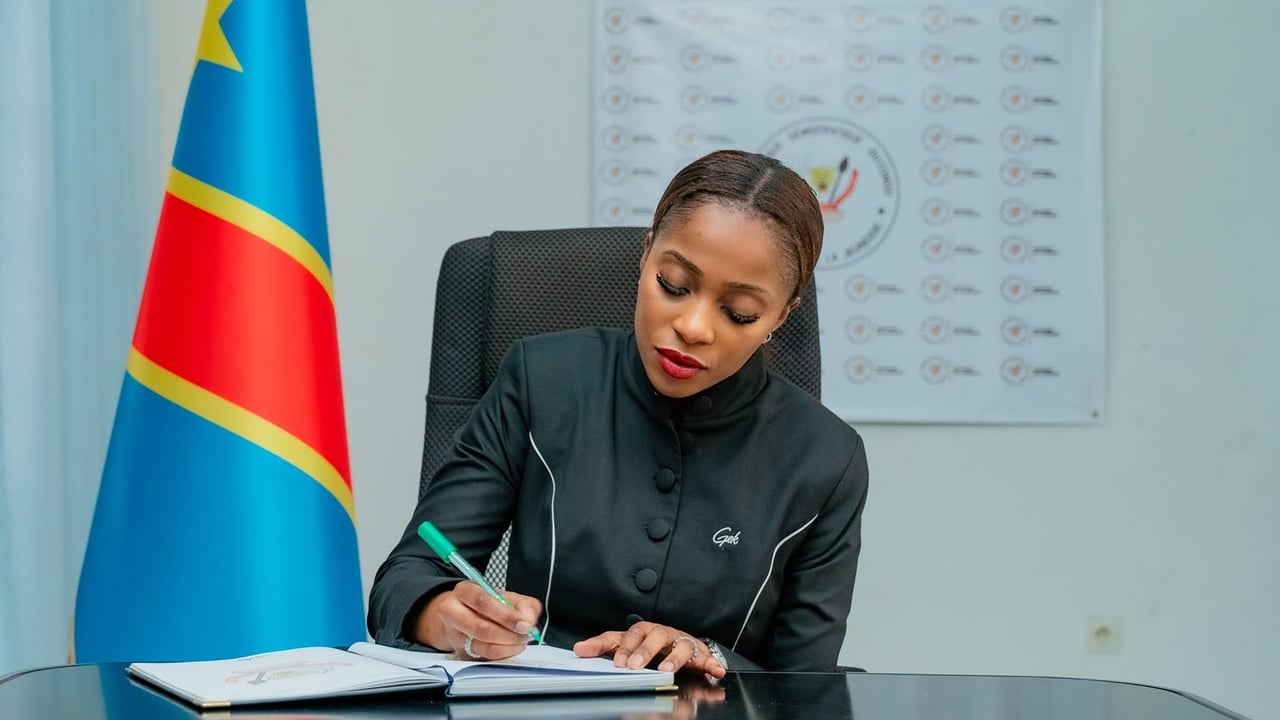
The Minister of Youth and Patriotic Awakening, Grâce Kutino, has emerged as a central figure in the Democratic Republic of the Congo’s ongoing constitutional reform debate. Her recent statements, delivered with unwavering conviction, have left many questioning whether she is echoing official government positions or articulating her own views.
In a series of public appearances, Kutino has repeatedly emphasized the importance of aligning national laws with contemporary realities. “Yes, I affirm it,” she declared during a parliamentary session, addressing the need for constitutional amendments that reflect the aspirations of Congolese citizens. Her remarks have since sparked intense speculation about the government’s stance on the matter.
Constitutional reform takes center stage in DRC politics
The debate over constitutional reform in the DRC has intensified in recent weeks, with politicians, legal experts, and civil society organizations weighing in on proposed changes. At the heart of the discussion lies the question of whether the current constitution adequately serves the needs of a nation undergoing rapid social and political transformation.
Grâce Kutino’s intervention has added a new layer of complexity to the conversation. As a high-ranking government official, her words carry significant weight, particularly when they align with—or diverge from—official narratives. Observers are closely analyzing her statements for clues about the administration’s true intentions regarding constitutional amendments.
Public reactions highlight divided opinions
The minister’s public addresses have triggered a wave of reactions across the country. Supporters argue that constitutional reform is long overdue and necessary to modernize governance structures. They point to Kutino’s passionate delivery as evidence of the government’s commitment to progressive change.
Critics, however, remain skeptical. They question whether her statements truly represent official policy or if they reflect personal convictions that may not align with broader governmental objectives. Some political analysts suggest that Kutino’s rhetoric could be an attempt to position herself as a champion of reform within the administration.
What’s next for the constitutional debate in the DRC?
As the debate rages on, all eyes are on the government’s next moves. Will the administration formally endorse the proposed constitutional amendments, or will it distance itself from Kutino’s bold assertions? The coming weeks are expected to bring clarity as lawmakers deliberate on the future of the nation’s foundational document.
The stakes are high. Constitutional reform could reshape the political landscape of the DRC, influencing everything from governance structures to civil liberties. For now, Grâce Kutino’s role in the discussion ensures that she remains a key player in this unfolding narrative.