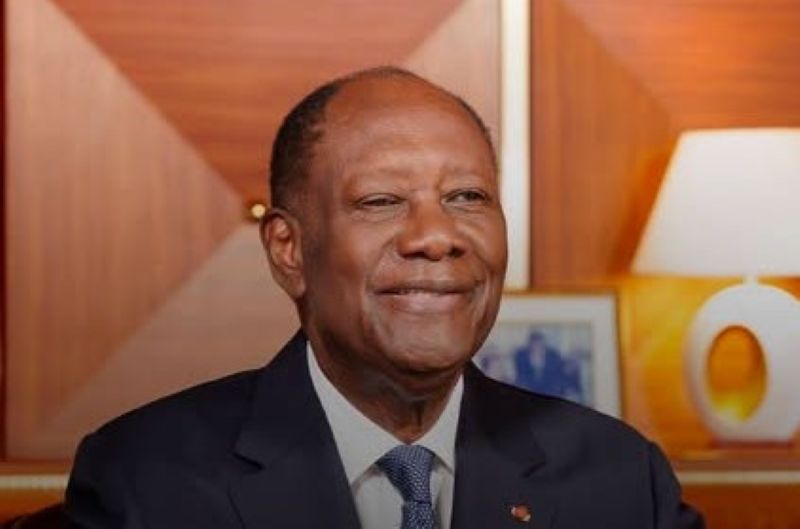
Côte d’Ivoire 2026: Ouattara’s vision for equitable growth and stronger governance
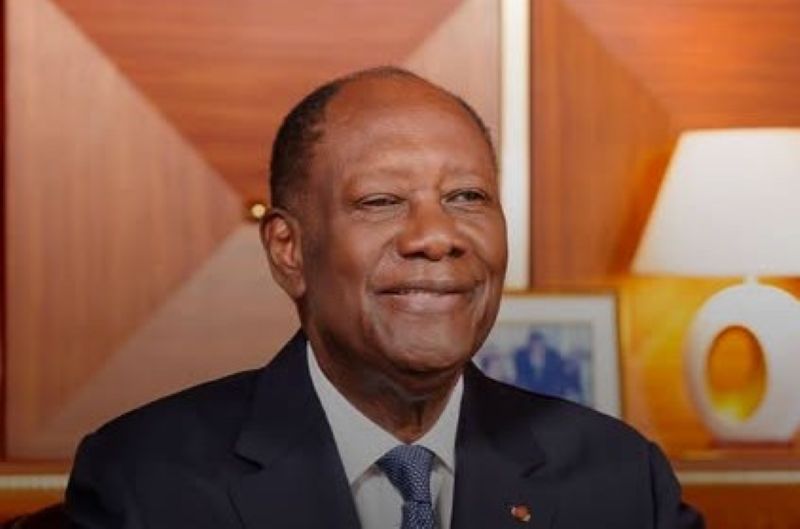
Abidjan, August 7, 2026 — As Côte d’Ivoire marks 66 years of independence, President Alassane Dramane Ouattara is outlining a bold new political vision. His national address goes beyond conventional economic reports or security promises. Instead, it weaves together two critical priorities that will define the next chapter of Ivorian leadership: rapid national transformation and the strengthening of the rule of law.
The concept of the « Great Côte d’Ivoire » isn’t just a catchphrase—it represents a fundamental question: how can economic might and political stability translate into tangible benefits for all citizens? The vision challenges every sector—government institutions, business leaders, political parties, civil society, traditional authorities, religious communities, and the diaspora—to unite behind a shared national project that transcends partisan divides.
Building a larger Côte d’Ivoire: scaling up ambition
This expansive vision arrives at a pivotal moment. Côte d’Ivoire enjoys robust economic momentum, backed by heavy investments in infrastructure, transportation, energy, and port capacity. The new 2026-2030 National Development Plan is designed to propel the country into a new phase of growth, aiming to elevate its development trajectory to unprecedented levels.
Yet success will not be measured solely by skyscrapers rising in Abidjan or highways connecting distant regions. It will be judged by the nation’s ability to bridge territorial divides, expand opportunities for young people, and ensure that growth translates into lasting improvements in living standards. The « Great Côte d’Ivoire » will only become a reality if it delivers real social progress alongside economic advancement.
Growth with justice: balancing progress and legality
The president’s address, delivered in a televised national broadcast, underscored this dual commitment. While reaffirming ongoing efforts to secure high-risk zones—particularly in the face of seasonal flooding and climate-related threats—he drew a clear red line against administrative overreach. Operations that bypass legal procedures, such as those criticized in Koumassi, are under investigation and will face consequences under the law.
This distinction is pivotal. While urban modernization and disaster prevention may justify swift action, development cannot create lawless corridors where citizens are displaced without due process or adequate safeguards. The president’s message signals a broader principle: a strong state must never become an arbitrary one. It can build, secure, and modernize—while remaining bound by the laws it enacts.
The ultimate test: coherence
Côte d’Ivoire today faces a more complex equation than simply achieving economic growth. It must prove that a rising regional economic power can simultaneously expand its infrastructure, preserve stability, protect its people, and uphold trust in its institutions. This is the true test of President Ouattara’s vision.
The call for national unity will only resonate if every segment of society feels included in the national project. Similarly, the rule of law cannot be reduced to an institutional slogan—it must govern even the state’s own actions. The president has laid out a deceptively simple yet politically demanding path: build faster, secure more effectively, modernize the nation, and never lose sight of the people for whom this transformation is intended.
The « Great Côte d’Ivoire » will not be defined by monuments or GDP figures alone. Its legacy will hinge on the harmony between public power, justice, and inclusion. It is this coherence—not slogans—that will determine whether Côte d’Ivoire’s next chapter truly represents a leap forward.