Senegal and Gambia border dispute reignited by Bullock incident
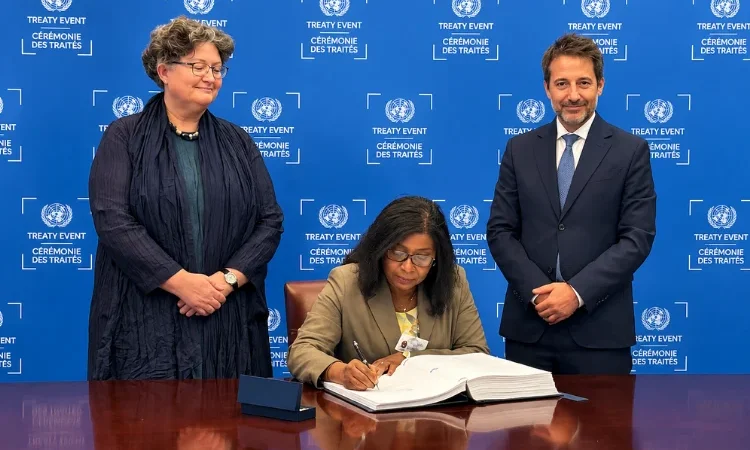
The recent incident in Bullock has prompted Senegal and Gambia to take decisive action on their shared border, signing a final agreement to clarify and demarcate their territorial limits. Following this development, both nations are set to resume joint ground operations in mid-August, involving the installation of physical markers and community outreach programs to engage local populations.
What triggered the recent tensions between the two neighboring countries? Will this new agreement fully resolve the long-standing border disputes, or does it leave room for further disagreements on the ground?
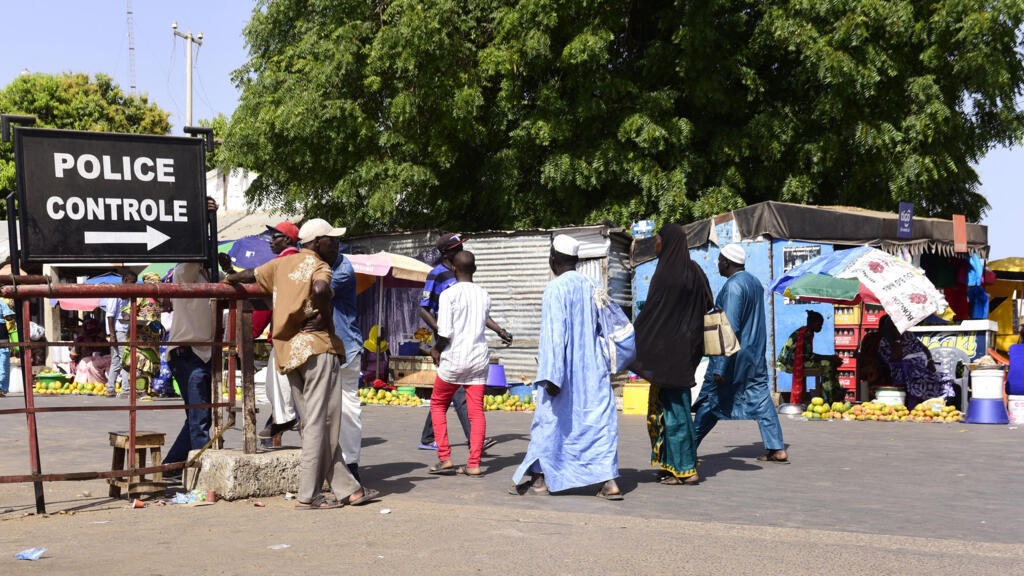
From incident to agreement: the Bullock effect
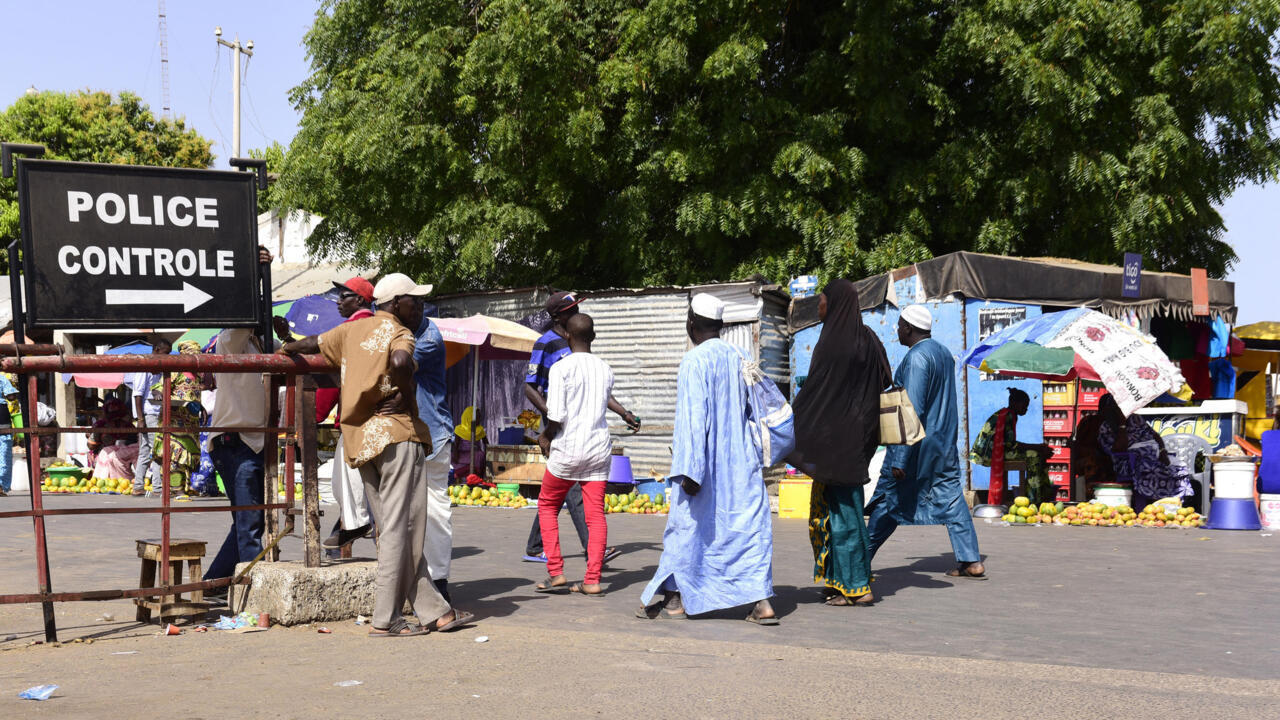
The latest border dispute between Senegal and Gambia traces back to an incident in Bullock, a border village that has become a flashpoint for tensions. The clash highlighted long-standing ambiguities in the demarcation of their shared frontier, prompting both governments to seek a definitive resolution.
The newly signed agreement represents a breakthrough, committing both nations to clear and permanent physical markers along their border. This initiative aims to eliminate confusion and reduce the risk of future disputes between local communities and authorities.
Ground operations and community engagement
Starting in mid-August, Senegal and Gambia will launch coordinated ground operations to install boundary markers and conduct awareness campaigns for residents living in border areas. These efforts are designed to ensure that communities understand the new demarcations and comply with the updated border regulations.
The operations will involve technical teams from both countries, working together to place physical markers and document the new border lines. This collaborative approach is intended to foster trust and transparency between the two nations.
Will the agreement hold?
While the agreement is a significant step forward, questions remain about its long-term effectiveness. Historical border disputes between Senegal and Gambia have often stemmed from overlapping claims, unclear historical treaties, and local resistance to changes. The Bullock incident served as a catalyst, but whether it resolves deeper issues remains to be seen.
Local communities, particularly those with cross-border ties, may face challenges adapting to the new demarcations. Economic activities such as trade and agriculture could be disrupted if the border lines are not clearly understood or accepted. Additionally, any perceived favoritism in the placement of markers could reignite tensions.
For the agreement to succeed, ongoing dialogue and cooperation between Senegal and Gambia will be essential. Both countries must ensure that the demarcation process is fair, transparent, and inclusive of local voices.
Looking ahead: a shared future
The renewed focus on border demarcation reflects a broader commitment to stability and cooperation in West Africa. By addressing this long-standing issue, Senegal and Gambia can strengthen their bilateral relations and set a positive example for regional governance.
As the operations begin in mid-August, all eyes will be on the ground teams and local communities to see if this agreement can bring lasting peace to the region.