Escalating tensions in segou as jnim claims civilian attacks in niono
JNIM’s explosive allegations against Malian forces and Africa Corps spark fresh outrage
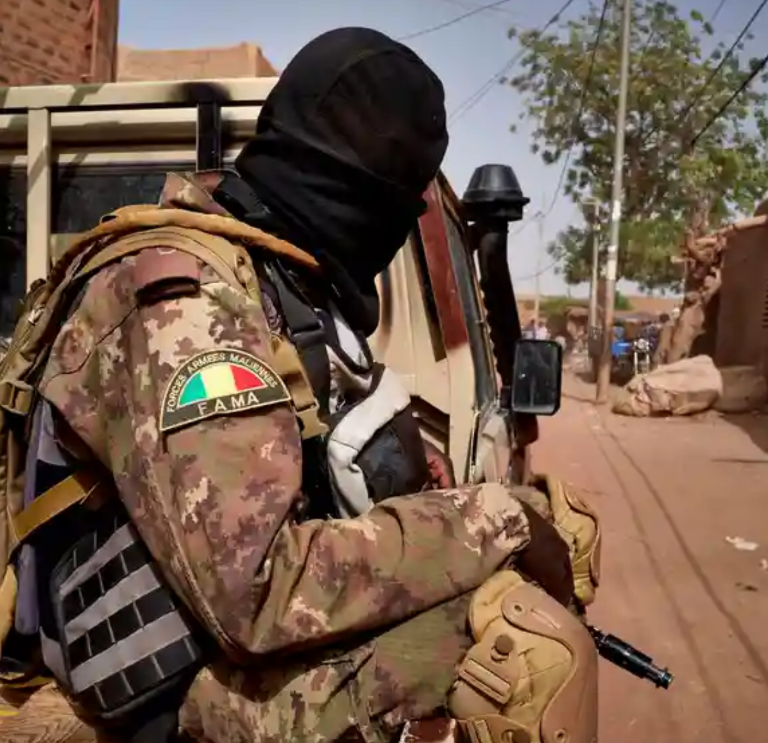
The Group for the Support of Islam and Muslims (JNIM), an Al-Qaeda-affiliated coalition, has leveled severe accusations against Malian Armed Forces (FAMa) and their Russian allies in Africa Corps, claiming responsibility for a deadly raid on Peul civilians in the Niono district, located in the Ségou region. A statement released on May 31st alleges that joint military operations targeted Peul communities, resulting in civilian casualties and widespread property destruction. While independent verification remains nearly impossible due to restricted access and information blackouts in the area, the gravity of these claims has intensified scrutiny on the unfolding humanitarian crisis in central Mali.
Niono at the epicenter of a deepening crisis
The Niono district has become a flashpoint in Mali’s ongoing conflict, where civilians find themselves trapped between counterterrorism operations and shifting alliances. The JNIM’s latest statement underscores a disturbing pattern of violence, with the group framing the incident as a deliberate assault on the Peul ethnic group. Though the Malian government has not yet responded publicly, the accusation highlights the escalating tensions that threaten to destabilize the region further.
For years, central Mali has been mired in a complex conflict fueled by ethnic divisions, jihadist insurgencies, and competing narratives of victimization. The Peul community, traditionally pastoralists, has been disproportionately affected, caught between accusations of collusion with militants and the brutal tactics of armed groups claiming to defend them.
The Peul community: a pawn in the propaganda war
The JNIM’s targeting of the Peul in its rhetoric is far from arbitrary. Historically marginalized and often suspected of supporting insurgent factions, the Peul have become a focal point in the group’s efforts to amplify grievances and rally support. By portraying itself as the sole protector against alleged abuses by Bamako and its international partners, JNIM seeks to exploit deep-seated feelings of alienation and injustice among Peul populations.
This strategy is not new. The group has repeatedly weaponized ethnic identity to bolster its legitimacy and recruitment efforts, framing itself as a defender of the oppressed. In doing so, it not only fuels communal tensions but also undermines the fragile social fabric of central Mali, where trust in authorities is already at a breaking point.
Military operations under scrutiny: where do the FAMa and Africa Corps stand?
From Bamako’s perspective, military operations in the Ségou region are conducted with strict adherence to national and international laws. FAMa, with tactical and aerial support from Africa Corps, has intensified its campaigns against armed groups, aiming to dismantle jihadist strongholds. However, the involvement of foreign fighters and the nature of their engagement have drawn criticism from human rights organizations, which cite rising concerns over collateral damage and civilian casualties.
Despite official denials, allegations of human rights violations persist, often dismissed by Malian authorities as fabricated narratives or attempts at discrediting the government. The lack of transparency and restricted access for independent journalists and investigators have only deepened the fog of war, allowing competing accounts to take root in the public consciousness. This opacity plays directly into the hands of groups like JNIM, which thrive in environments where misinformation and unverified claims can thrive unchecked.
The urgent need for civilian protection and truth
The latest accusations from JNIM serve as a stark reminder of Mali’s precarious situation, where military pressure alone cannot resolve a conflict rooted in decades of injustice, ethnic divisions, and unmet governance promises. As operations intensify, the protection of civilians must remain paramount to prevent the country’s central regions from descending into irreversible cycles of interethnic violence.
For media outlets and observers, the challenge is twofold: to report with impartiality and rigor, avoiding amplification of militant propaganda while still exposing the harsh realities on the ground. Peace in Mali will not be achieved through force alone but through justice, accountability, and the restoration of trust among a population that has endured years of suffering.