Gabon: clarifying the limits of presidential power amid transition debates
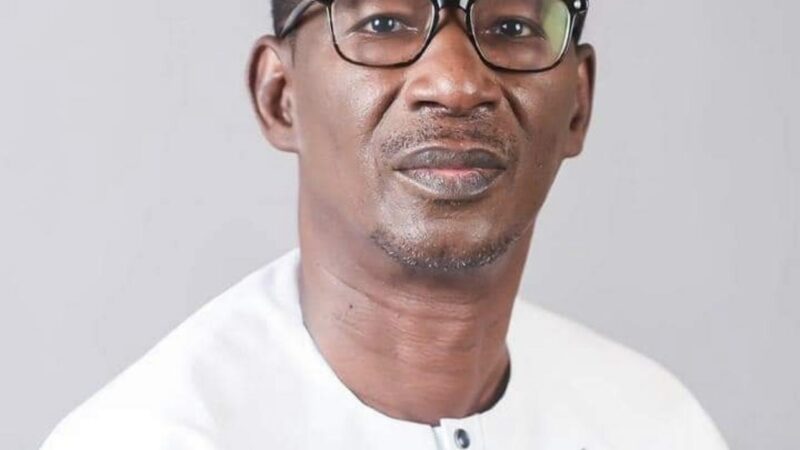
The discourse surrounding national sovereignty in Gabon has taken a significant turn. Nadia Christelle Koye, a prominent Gabonese political figure, has broken her silence to challenge what she calls an intentional muddying of the waters around presidential authority. Her intervention comes at a critical juncture, as Libreville works to consolidate its institutions following a transitional period marked by the August 2023 military takeover and the subsequent rise of General Brice Clotaire Oligui Nguema to the presidency.
Defining the boundaries of presidential power
Nadia Christelle Koye argues that several narratives circulating in Gabon’s public sphere deliberately obscure the constitutional prerogatives of the head of state. She contends that this lack of clarity fuels conflicting interpretations, often exploited for partisan gains. Her call is for a return to the foundational principles of governance, steering discussions away from fleeting controversies toward institutional clarity.
Her stance reflects a broader resurgence of the sovereignty debate in Gabonese political circles. The transition period has reignited key discussions: the role of intermediary bodies, the effective separation of powers, the limits of executive authority, and the citizen’s role in the republic. By addressing the confusion head-on, Koye aims to reframe the national conversation with greater precision.
National sovereignty and institutional stability
For Nadia Christelle Koye, sovereignty extends beyond diplomatic posturing. It encompasses a state’s capacity to establish its own rules, mediate competing interests, and shield its institutions from internal pressures. She warns that any ambiguity regarding the scope of presidential powers directly undermines this sovereignty.
The Gabonese context post-August 2023 underscores her argument. The Transitional Charter and subsequent constitutional reforms, led by the transitional president, have reshaped the country’s institutional balance. The 2024 constitutional referendum and upcoming 2025 elections have thrust the nature of the regime into sharp focus for parties, legal experts, and civil society alike.
Koye advocates for transparency, insisting Gabonese citizens must grasp the precise boundaries of presidential authority. Without this clarity, she warns, perceptions of power become distorted—a concern she extends to both political leaders and opinion shapers.
A pivotal voice in Gabon’s political reshaping
Nadia Christelle Koye’s intervention is part of a wider recalibration of Gabon’s political landscape. Since the fall of the former regime, new figures have emerged, alliances have realigned, and many are vying to fill the void left by historical parties. By staking a claim on the principles of sovereignty and institutional integrity, Koye distances herself from the personal rivalries that have long dominated national discourse.
Her approach signals a shift among some Gabonese actors, who now prioritize principle over expedience. This shift could carry weight in the coming months as the contours of the new constitutional regime take shape and the forces shaping the country’s democratic future solidify their positions.
The effectiveness of Koye’s call for clarity remains an open question. The Gabonese debate on presidential power remains pluralistic, and the demand for institutional transparency often clashes with competing communication strategies. Observers of Gabonese politics will watch closely as this chapter unfolds.