Bioban wins Côte d’Ivoire circular economy hackathon with agricultural waste innovation
Bioban takes top prize at Côte d’Ivoire’s circular economy hackathon
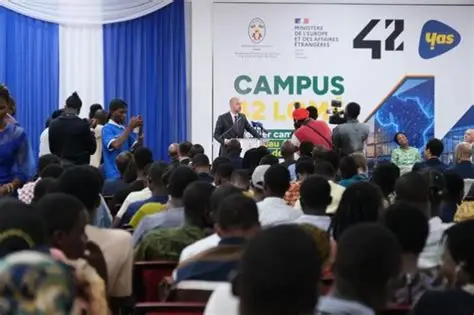
Yamoussoukro — A groundbreaking project transforming agricultural waste into biogas and organic fertilizer has claimed victory at Côte d’Ivoire’s first national hackathon on circular economy, held at the Institut national polytechnique Félix Houphouët-Boigny (INP-HB).
The competition, running from June 17 to 19, 2026, challenged 10 teams of innovators to develop sustainable solutions addressing waste reduction, resource management, and circular economy principles. Organized by INP-HB’s Central Incubator with support from GIZ, the event emphasized “Technological innovation and circular economy: zero waste, maximum impact.”
Participants underwent intensive training, mentorship, and prototyping sessions before pitching their concepts to a panel of industry experts. The winning entry, Bioban, stood out for its practical approach to agricultural waste management.
In his address, the Deputy Director General of INP-HB highlighted the urgent need for circular economy solutions amid growing environmental challenges. “Technological innovation is the key to achieving zero waste in Côte d’Ivoire,” he noted, stressing the role of startups and entrepreneurs in this transition.
The German development agency GIZ, through its Promotion of Economic Reforms and Investments (ProREI) initiative, reinforced its commitment to supporting green, social, and digital innovation in Côte d’Ivoire. The project aligns with broader efforts to enhance the competitiveness of small and medium-sized enterprises while promoting sustainable development.
Guy Corée, Head of INP-HB’s Central Incubator, praised the high caliber of submissions, revealing that six projects—including the top three winners—will receive technical and financial support for further development. These teams will benefit from a six-month incubation program focusing on legal structuring, market access, and fundraising.
The founder of Bioban, Ndiessa Kwaku Boris, an agronomist specializing in renewable energy, expressed his enthusiasm for the win. “Our solution converts agricultural residues into clean cooking fuel and organic fertilizers, directly benefiting farmers and communities while reducing environmental harm,” he explained. The project’s dual approach addresses both energy needs and soil health, offering a scalable model for rural development.