The Senate’s inauguration and Patrice Talon’s election spark institutional debate
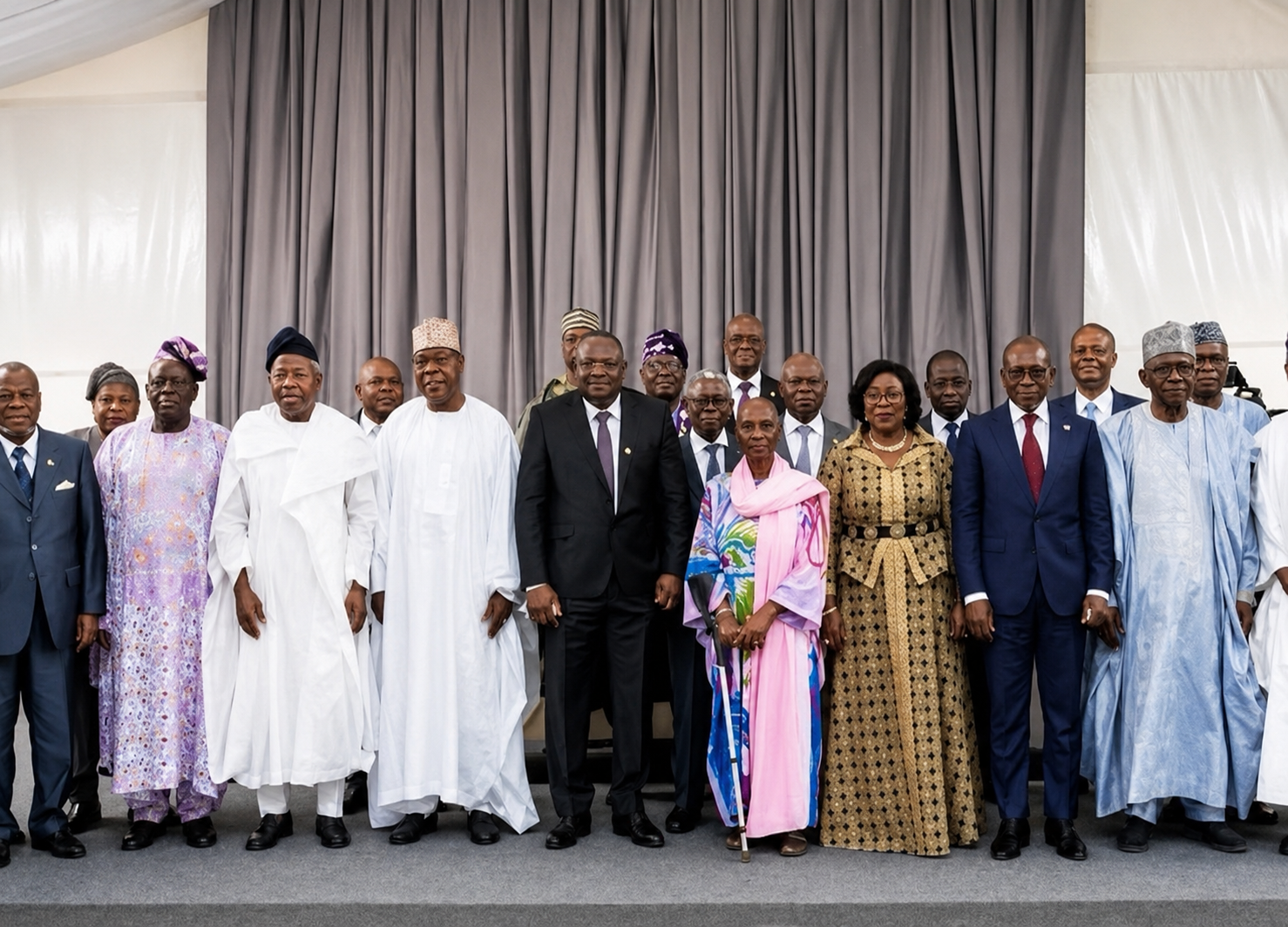
The Republic of Bénin marked a significant milestone in its political evolution on 30 July 2026, with the official launch of its first Senate. Just over a week later, on 6 August 2026, former President Patrice Talon was elected to lead the chamber, further intensifying discussions about the institution’s role and purpose. Established through the constitutional amendment of 17 December 2025, the Senate represents a pivotal shift in Bénin’s parliamentary structure, introducing a bicameral system alongside the National Assembly.
Constitutionally grounded, not a tool of personal influence
Critics have framed the Senate as a potential “shadow government” or an instrument allowing Patrice Talon to retain executive power post-presidency. Such interpretations, however, overlook the constitutional framework governing the Senate’s creation and functions. The institution was not conceived as a personal vehicle but emerged from a deliberate constitutional revision approved by the National Assembly.
The revised Constitution explicitly defines the Senate as a permanent parliamentary body, outlining its composition, responsibilities, and operational protocols. Its existence is independent of any individual holding the presidency, meaning the Senate’s legitimacy rests on the Constitution not on the political figure who presides over it.
Patrice Talon’s election: political continuity or institutional evolution?
The appointment of Patrice Talon as Senate President has fueled speculation about his continued influence over national affairs. Having served two terms as President of the Republic, his transition to the Senate has prompted questions about whether this role enables him to shape governance from a new position. However, these concerns conflate political influence with constitutional authority.
Talon’s successor, Romuald Wadagni, assumed the presidency in May 2026 following a landslide electoral victory, demonstrating a clear institutional handover. The Senate President does not inherit the powers of the head of state; the Constitution vests executive authority solely in the elected President and government. The Senate, as part of the legislative branch, operates under distinct constitutional mandates focused on oversight, regulatory functions, and legislative scrutiny.
The Senate’s regulatory role: oversight without executive control
A central function of the Senate is to serve as a stabilizing force in Bénin’s political landscape. The Constitution tasks it with safeguarding national unity, democratic principles, and institutional continuity, while also monitoring political ethics and preventing institutional crises. These duties highlight its role as a deliberative and advisory body rather than an alternative government.
While the Senate holds significant legislative powers including the authority to review constitutional amendments, electoral laws, and political party regulations it does not execute policy or administer the state. Its influence is confined to legislative oversight, secondary deliberations on bills, and ensuring compliance with constitutional provisions. The chamber cannot enact laws unilaterally or direct government operations, reinforcing the separation of powers enshrined in the Constitution.
A chamber of experienced voices: composition and purpose
The Senate’s unique structure reflects a deliberate effort to integrate institutional wisdom into its operations. The Constitution mandates the inclusion of former high-ranking officials, including ex-presidents, military leaders, and security sector veterans, alongside appointed members. This composition aims to create a space where seasoned professionals contribute to policy discussions, crisis prevention, and consensus-building roles that go beyond mere legislative voting.
Such an arrangement underscores the Senate’s potential as a forum for mediation and long-term strategic thinking, particularly in a political climate where rapid decision-making is often prioritized over deliberation. Critics who dismiss the Senate as redundant or purely symbolic may overlook its potential to enhance governance through structured dialogue and institutional memory.
Distinguishing political influence from constitutional power
The debate surrounding the Senate often blurs the lines between influence and authority. While Patrice Talon’s political experience and networks may grant him considerable sway within the chamber, this does not equate to an extension of executive power. The Constitution explicitly separates the roles of the Senate President and the President of the Republic, ensuring that no single individual can consolidate power across branches of government.
A former president holding office in another branch of government is not unprecedented in democratic systems. The critical distinction lies in whether such a role enables the circumvention of constitutional checks and balances. In Bénin’s case, the Senate’s powers are clearly delineated, and its actions remain subject to judicial review and parliamentary accountability.
Evaluating the Senate: beyond speculation to performance
The true measure of the Senate’s success will lie in its practical application of constitutional mandates. Will it function as an effective counterbalance to the National Assembly, or risk becoming a passive legislative body? Can it foster meaningful cooperation with the executive branch while maintaining its independence? These questions will determine whether the Senate fulfills its intended role as a stabilizing force in Bénin’s democracy.
The Constitution imposes an obligation of political reserve on senators, prohibiting them from partisan activity. This requirement aims to ensure that the chamber operates as an institution of reflection rather than a political battleground. Observers will need to assess whether this provision is respected in practice, as it directly impacts the Senate’s credibility and effectiveness.
A new chapter in Bénin’s institutional framework
The Senate’s emergence represents more than a procedural change; it signals a deeper evolution in Bénin’s governance model. By introducing a bicameral system, the country has taken a step toward diversifying its legislative processes, enhancing oversight, and embedding institutional continuity. Whether this experiment succeeds will depend on the Senate’s ability to navigate its constitutional boundaries while contributing to the nation’s political stability.
For now, the focus must shift from theoretical concerns to tangible outcomes. The Senate is no longer a proposal but a functioning part of Bénin’s democratic architecture. Its performance will define its legacy not the personalities who occupy its seats or the narratives surrounding its creation.