Gabon’s SEEG restores services after unprecedented cyberattack
The cyberattack on Gabon’s SEEG ranks among the most severe digital incidents to strike a public utility operator in Central Africa in recent years. In the early hours of June 14-15, 2026, the Société d’Énergie et d’Eau du Gabon (SEEG) suffered a catastrophic collapse of nearly 95% of its information systems—an event so devastating that company leadership described it as an act of sabotage. A progress update presented in Libreville on August 4 provided a clearer picture of the operational, technical, and financial fallout, while highlighting the slow but steady recovery efforts underway for nearly two months.
Unprecedented digital sabotage targets Gabon’s national utility
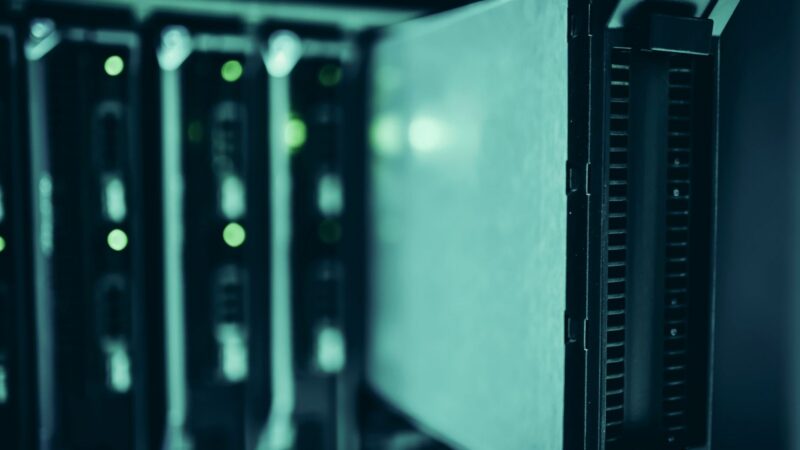
According to details released by SEEG, the attack simultaneously targeted multiple critical layers of its information system, from technical supervision hubs to billing and commercial platforms. Nearly all business-critical servers were neutralized, cutting off teams from customer databases, power grid management tools, and water distribution applications. Such a high rate of system outages, exceedingly rare in scale, suggests a meticulously planned intrusion with deep knowledge of internal infrastructure. Company leadership has framed the incident as a deliberate act, though no presumed perpetrator has been publicly named nor any ransom demand confirmed.
The impact on customers was immediate. Commercial branches operated in reduced capacity for weeks, digital payments were disrupted, and meter readings became unreliable across wide areas of the country. In a nation where SEEG is the sole provider of water and electricity, the incident underscored the growing reliance of essential services on centralized digital systems.
Gradual restoration and heightened oversight mark recovery phase
The August 4 progress report confirms SEEG has launched a phased restoration plan, prioritizing the most critical functions to maintain public service continuity. Technical supervision systems for the power grid were reportedly among the first restored, enabling the stabilization of energy supply across the interconnected network. Commercial platforms, more complex due to the volume of customer data, are being rebuilt on a longer timeline. The company has acknowledged bringing in external expertise to support internal teams, though it has not disclosed the financial scale of the recovery investments.
In practice, the recovery involves partial architectural overhauls, including enhanced network segmentation and fortified backup systems. Questions remain about the adequacy of prior preparedness. Industry observers highlight that the attack’s scale points to resilience gaps and insufficiently tested continuity plans. Regulators and oversight bodies are expected to tighten cybersecurity requirements for vital infrastructure operators—following a trend already emerging in neighboring countries.
A wake-up call for Central African digital sovereignty
Beyond the SEEG case, this incident exposes a structural vulnerability among Africa’s utility providers. The accelerated digitization of water and electricity networks—critical for improving commercial performance and reducing technical losses—has also expanded exposure to cyber threats. Few operators currently maintain 24/7 security operations centers, and investments in industrial system protection still lag behind European or North American benchmarks. The SEEG attack could catalyze greater awareness not only in Libreville but across regional capitals.
The path to full recovery extends beyond technical restoration. Rebuilding customer trust, ensuring accurate billing data integrity, and documenting potential financial losses represent parallel challenges. SEEG’s next progress update will be closely watched by authorities, financial partners, and users alike, as digital sovereignty takes its place as a national security priority for Gabon.