Morocco ready to help unaccompanied minors return from Ceuta amid migration crisis
Morocco ready to help unaccompanied minors return from Ceuta amid migration crisis
Ceuta — The Kingdom of Morocco has confirmed its willingness to cooperate with Spanish authorities in facilitating the return of unaccompanied minors stranded in the Spanish enclave of Ceuta following the recent surge in irregular migration at the end of July. However, Rabat has highlighted significant legal and administrative hurdles in Spain that currently impede the repatriation process.
Collaboration with Madrid essential, says Rabat
Morocco has expressed readiness to assist in identifying unaccompanied minors present in Ceuta to streamline their return to their home countries. Diplomatic sources in Rabat indicate that the Moroccan government is prepared to collaborate closely with Spanish authorities and European partners to execute this initiative. Nevertheless, the primary challenge remains the Spanish legal and administrative frameworks, which currently prevent the repatriation of these children.
Over a thousand minors still stranded in Ceuta
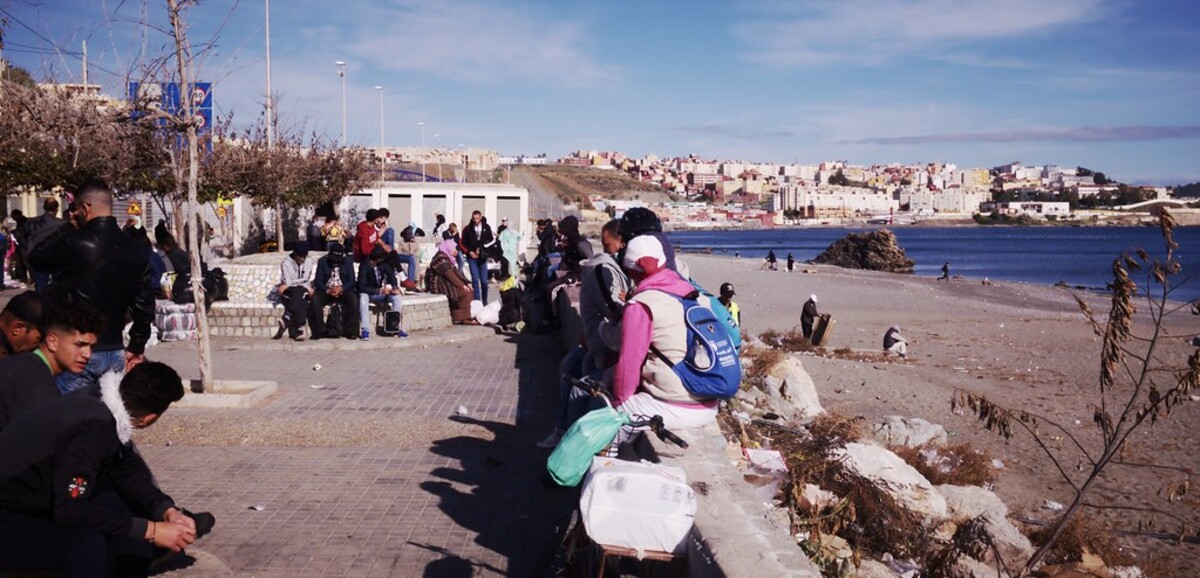
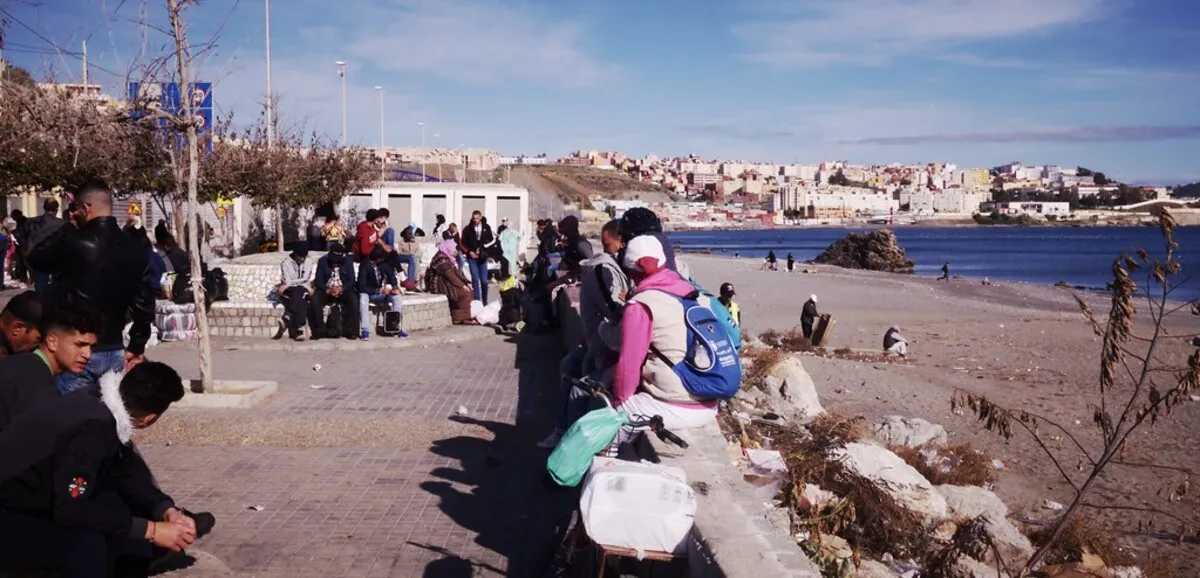
Following the sudden arrival of approximately 72,000 migrants into Ceuta within a few days in late July, Spanish authorities report that around 70,000 individuals have since returned to Morocco. However, Ceuta’s administration states that nearly 2,000 migrants remain in the enclave, including more than 1,000 unaccompanied minors. Child rights organizations have raised concerns about the heightened risks of exploitation, trafficking, and abuse faced by these vulnerable young people.
A grim human toll
The migration crisis has also resulted in substantial loss of life. According to a Spanish forensic medicine commission, at least 80 individuals have died, primarily due to drowning. Meanwhile, Moroccan authorities have reported 11 fatalities on their side of the border.