Gabon and Monaco forge green alliances for climate resilience
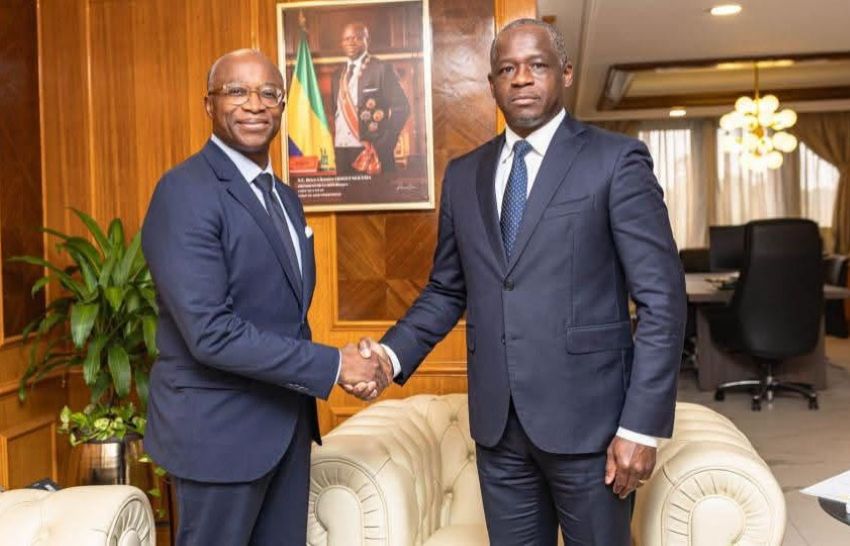
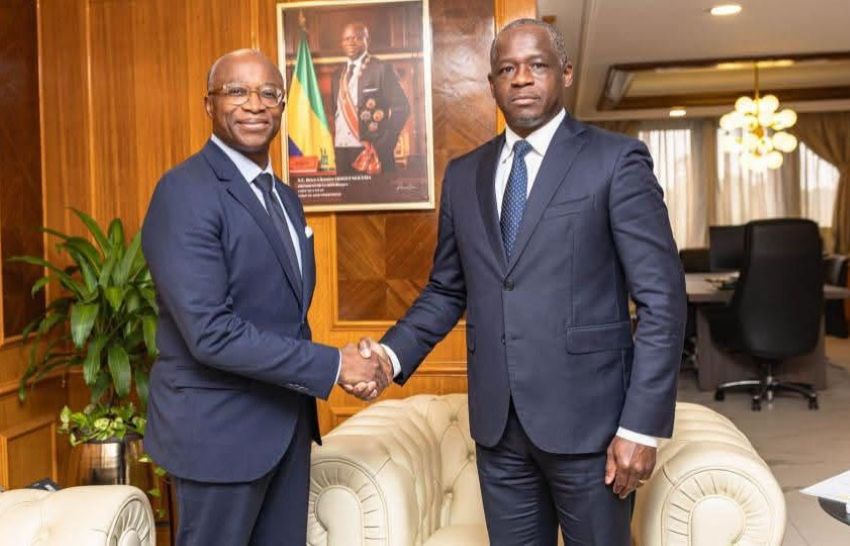
Libreville, August 9, 2026 – Gabon is redefining its environmental capital as a cornerstone of diplomacy, climate resilience, and economic growth. A pivotal meeting held on August 5 between Vice-President of the Government Hermann Immongault and a delegation from the Prince Albert II of Monaco Foundation underscores this strategic shift.
The discussions, though centered on environmental conservation, reflect a broader ambition: to cultivate international partnerships that can fund, safeguard, and sustainably enhance Gabon’s forests, biodiversity, and marine ecosystems.
Led by Charles Oula Siehe, Special Advisor for Africa at the Prince Albert II of Monaco Foundation, the Monégasque delegation engaged with Immongault and Aimé Martial Massamba, Minister of Fisheries, Maritime Affairs, and the Blue Economy. Key topics included deepening the Foundation’s footprint in Gabon and expanding cooperation across critical areas.
The timing of this initiative is strategic. Gabon’s vast forest cover, rich marine biodiversity, and exceptional ecosystems position it as a global asset. In an era of accelerating climate change, this natural wealth is both an environmental responsibility and a strategic advantage capable of attracting international investment and funding.
Central African rainforests: a shared climate priority
The Prince Albert II of Monaco Foundation’s engagement comes ahead of its 20th anniversary in September, with a particular focus on the Congo Basin—a vital reservoir of biodiversity and carbon. For Gabon, the opportunity lies in aligning this international ambition with national priorities.
Potential cooperation could span forest protection, biodiversity conservation, carbon financing mechanisms, and the development of the blue economy. The latter is especially significant for a nation with extensive maritime resources. Balancing sustainable exploitation, ecosystem preservation, and community benefits will be essential to unlocking economic value from marine resources.
The same principles apply to Gabon’s forests. The challenge is no longer just conservation but creating frameworks that allow the country to monetize the environmental services it provides. Transparent, credible carbon financing mechanisms could serve as a revenue stream, provided they ensure fair compensation for conservation efforts.
From natural heritage to diplomatic leverage
The meeting between Gabonese officials and the Monégasque delegation signals a transformative phase in Gabon’s environmental diplomacy. The nation is shifting its approach, viewing nature protection not as a mere ecological obligation but as a driver of development, international cooperation, and global influence.
This vision demands more than symbolic gestures. Its success hinges on transforming intentions into actionable projects—funded initiatives, knowledge transfer, job creation, scientific data sharing, and sustainable ecosystem protection. The true test will be converting the agreements discussed in Libreville into measurable, long-term outcomes.
For both Gabon and Monaco, this partnership is mutually beneficial. The Foundation brings expertise, global networks, and the ability to mobilize resources around environmental causes. Gabon, in turn, offers a critical operational ground in the heart of the Congo Basin, where ecosystems play a direct role in global climate stability.
The August 5 meeting is far more than a diplomatic formality—it represents Gabon’s strategic push to harness its natural capital as a lever for sovereignty and sustainable development. As forests, oceans, and biodiversity increasingly become geopolitical assets, Libreville must negotiate partnerships with the same rigor it applies to economic agreements.
The stakes are clear: Gabon is not just seeking support to protect its environment but aiming to secure recognition for the intrinsic value of the ecosystems it safeguards. If the cooperation with the Prince Albert II of Monaco Foundation succeeds in merging conservation, financing, expertise, and national benefits, it could set a precedent for a new era of Gabonese diplomacy—one where environmental stewardship becomes a powerful tool for progress.