Burkina Faso under Ibrahim Traoré: the myth of an economic miracle
The narrative of an economic resurgence
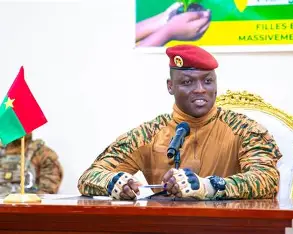
Since assuming leadership, Captain Ibrahim Traoré has emerged as a prominent figure in African sovereignty movements. Through a bold communications strategy and a pervasive presence on digital platforms, Burkinabè authorities are actively promoting the notion of a sweeping economic recovery underway, both domestically and abroad.
This narrative resonates strongly with a network of influential voices, including panafricanist activists and digital influencers such as Nathalie Yamb, Franklin Nyamsi, and Kemi Seba. These individuals, who maintain a robust online presence, frequently portray Burkina Faso as a pioneering example of a development model liberated from historical foreign dependencies.
Skepticism amid official rhetoric
Nevertheless, a growing number of analysts, economists, and independent observers caution against accepting these claims at face value. They argue that several of the government’s highlighted achievements may be more reflective of a calculated political communications strategy than of substantive, quantifiable economic transformation.
Among the achievements frequently cited by regime supporters are accelerated industrialization, revitalization of domestic production, expansion of processing facilities, restored economic sovereignty, and claims of exceptional national growth. Critics, however, point out that many of these so-called breakthroughs were already in progress prior to the current transition. Others remain mere announcements without verifiable outcomes or documented progress.
The opposition also highlights what they perceive as a disproportionate emphasis on symbolic victories and success narratives, particularly as Burkina Faso continues to grapple with pressing security, humanitarian, and social challenges.
Funding the national effort: transparency in question
Central to the government’s strategy is the mobilization of patriotic contributions, including a 1% levy on the incomes of certain workers and other voluntary donations. While proponents view these measures as acts of national solidarity in exceptional circumstances, trade unions, civil society organizations, and independent observers are calling for greater clarity regarding fund allocation and utilization.
These stakeholders insist on the public’s right to detailed, regular reporting on the collection, distribution, and impact of these funds. They advocate for independent audits and transparent accounting to ensure accountability and rebuild public trust.
Questioning the numbers: reality vs. perception
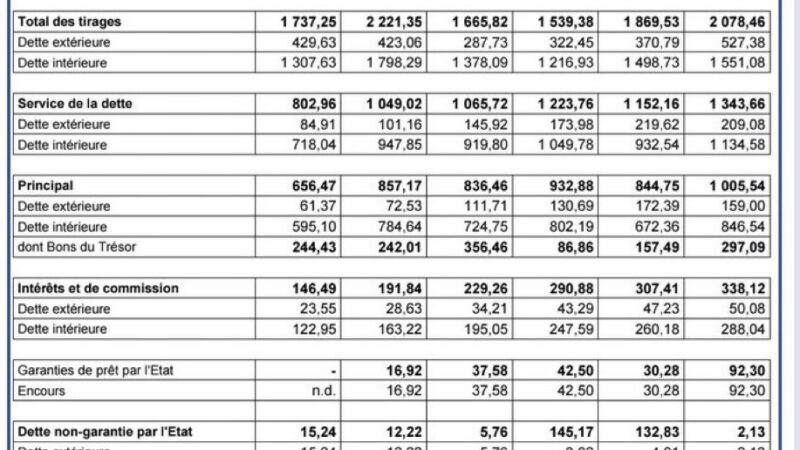
Critics also challenge the accuracy of several figures presented in official communications and amplified across social media. One recurring claim—that Burkina Faso has relinquished over one billion dollars in foreign aid in the name of sovereignty—is particularly contested. Detractors argue that such assertions distort the true nature of the country’s ongoing international partnerships and financial engagements.
Evidence suggests that several foreign partners, including Japan, continue to provide substantial development assistance and cooperation programs to Burkina Faso, totaling billions of CFA francs. For skeptics, these persistent financial ties contradict the narrative of a complete severance from international donors often promoted by regime supporters.
Beyond the rhetoric: aligning image with reality
For opponents of the government’s narrative, these inconsistencies underscore deeper concerns about the credibility of Burkina Faso’s economic claims. They question whether the country’s leadership is genuinely transforming its economic policies or merely refining its messaging to project an image of progress amid persistent hardships.
This analysis seeks to dissect the construction of the so-called “economic miracle” narrative, examine the role of digital advocacy networks in shaping public perception, and assess the alignment—or divergence—between the country’s projected image and the lived realities of its people.
Ultimately, the Burkina Faso case raises a broader question: where does the line between political communication, ideological mobilization, and objective evaluation of public policy truly lie?