What Benin’s Bucharest resolutions will actually change for workers and businesses

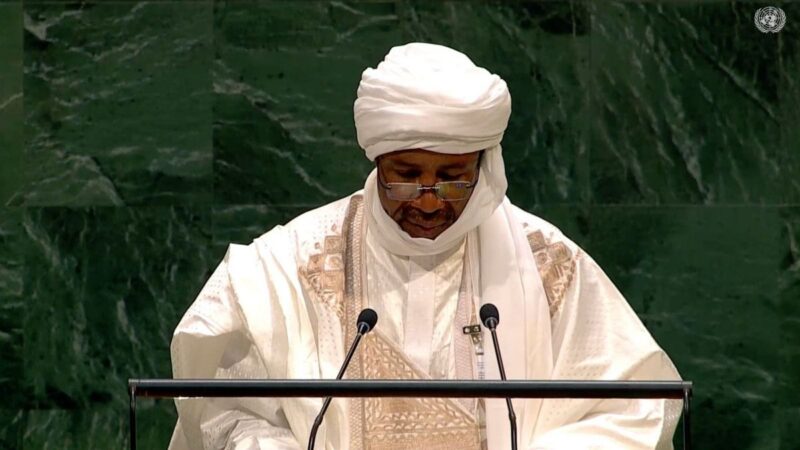
Benin’s push into the heart of francophone economic governance is no longer an abstract diplomatic exercise — it is starting to carry tangible consequences for households, employers and public budgets back home. From 28 to 30 September 2026, Abdoulaye Bio Tchané, president of Benin’s Economic and Social Council (CES), is leading an official delegation to Bucharest, Romania, for the bureau meeting and general assembly of the Union of Economic and Social Councils and Similar Institutions of La Francophonie (UCESIF).
Inside the Romanian Parliament building, member delegations are weighing the pressures that shape everyday life across the francophone world: social dialogue under strain, participatory governance, and the resilience of national economies in a volatile global environment.
Why the Bucharest agenda lands directly on Benin’s economy
The three-day mission is closely tied to the CES’s 8th mandate, which places international visibility and the adoption of stronger consultative governance practices at the centre of its work. But the stakes go well beyond institutional prestige. The decisions taken in Bucharest — on budgets, joint programmes and shared priorities — will filter into national policies that affect employment, training and support for small businesses.
Benin’s delegation is concentrating its work on several fronts:
- Budget and administrative approvals: reviewing activity reports, assessing financial management and setting UCESIF’s operational roadmap for the coming years.
- Strengthening francophone partnerships: deepening synergies between member institutions so that citizen consultations translate into concrete national policy tools.
- Bilateral cooperation: side meetings with counterparts from African and European economic and social councils to exchange experience on economic inclusion and social dialogue.
The real-world effects on citizens and employers
For ordinary Beninese, the most visible consequences are likely to emerge in the labour market and in the quality of social dialogue. Resolutions adopted in Bucharest can shape how workers’ representatives are consulted, how disputes between employers and employees are handled, and how economic reforms are explained to the public before they are implemented.
For businesses, particularly small and medium-sized enterprises, the emphasis on economic inclusion and shared best practices offers a route to better-targeted support policies and stronger links with francophone markets. For public finances, the budget discipline and reporting standards agreed at UCESIF level create benchmarks that national institutions can use to justify spending choices and attract partners.
By actively carrying Benin’s proposals into UCESIF, Abdoulaye Bio Tchané is reaffirming the strategic role that consultative assemblies play in stability and long-term development. In a context of global economic shifts and persistent youth unemployment, the Bucharest general assembly gives Benin a privileged platform to promote its national initiatives while drawing on proven models from across the francophone network.
From Bucharest to Cotonou: what happens next
The conclusions and resolutions adopted at the end of the assembly will form the basis for the Union’s future joint actions. For Benin, the test will be how quickly those commitments are converted into national measures — and whether the citizens, workers and entrepreneurs the council is meant to represent can feel the difference in their daily lives.